Low Taper Fade vs Mid Taper Fade vs High Taper Fade The Complete Guide
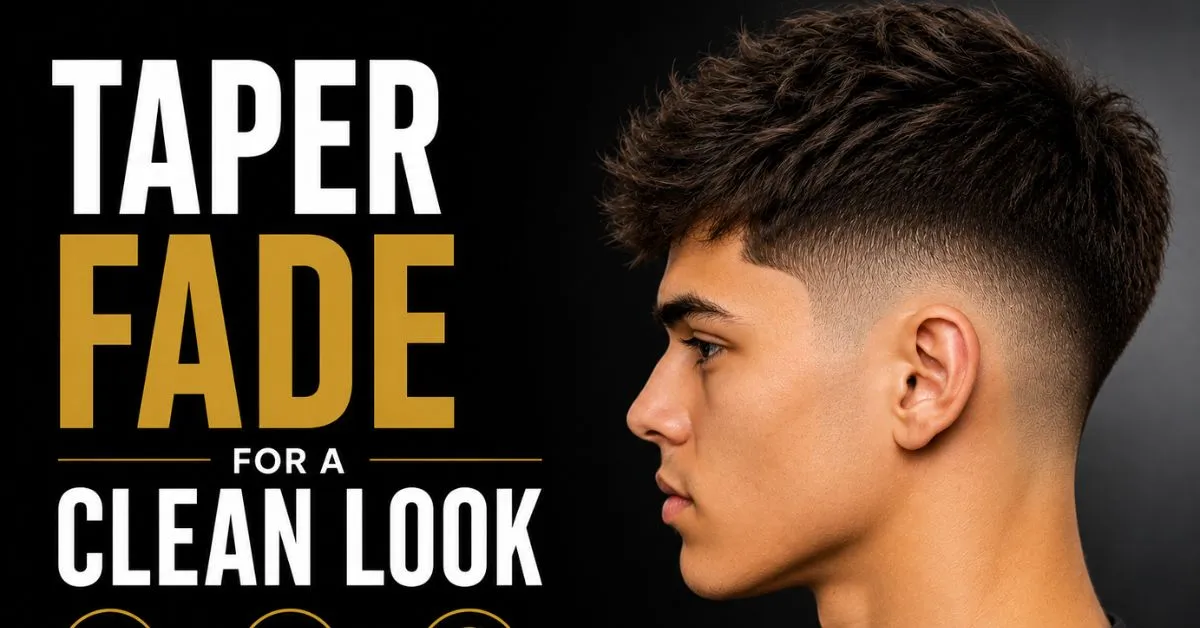
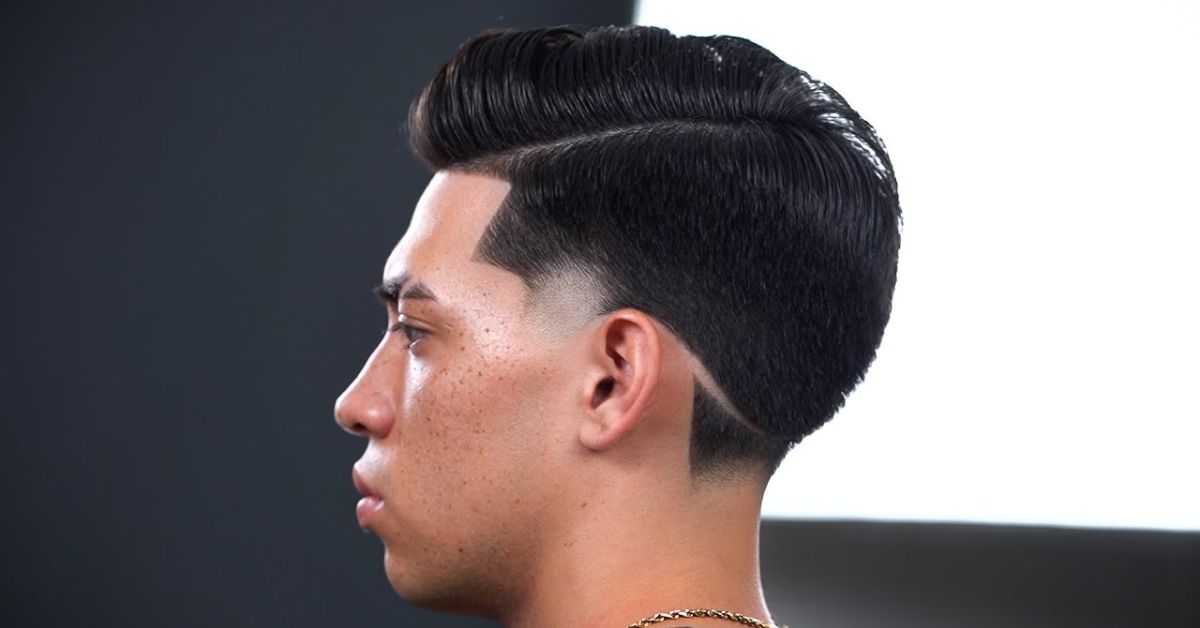
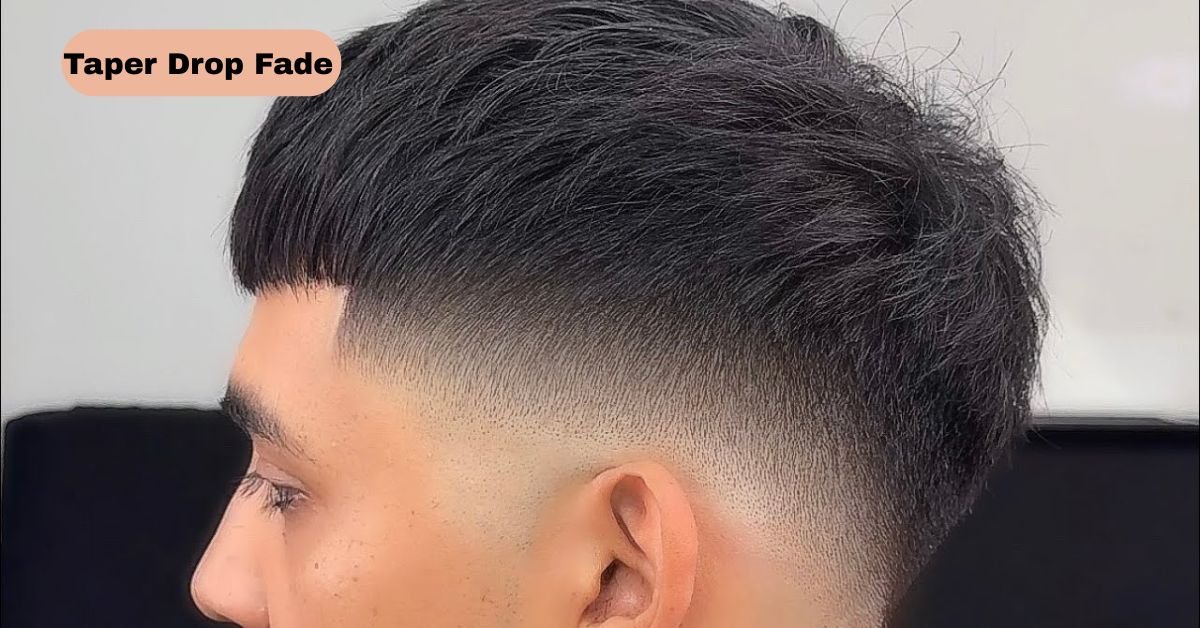
The difference between a low taper fade, a mid taper fade, and a high taper fade comes down to one thing: where the fade starts on your head. That single decision changes how bold your haircut looks, how often you need to visit the barber, and whether the style suits your face shape, hair type, and daily life. Get it right, and you walk out looking sharp. Get it wrong, and even a technically well-executed cut can feel off.
This guide breaks down all three taper fade styles in detail what they are, how they differ, which suits you, and exactly how to ask your barber for the result you want. Whether you’re getting your first fade or reconsidering your go-to style, you’ll find everything you need here.
What Is a Taper Fade And Why the Fade Level Changes Everything
Before comparing the three types, it helps to understand what a taper fade actually is because the terms “taper” and “fade” get used interchangeably, and they’re not quite the same thing.
A taper refers to a gradual reduction in hair length as you move down toward the neckline and sideburns. The hair gets shorter, but it doesn’t necessarily reach skin level. A fade, on the other hand, takes that transition all the way down to the skin or very close to it. So when people say taper fade, they mean a haircut that combines both: a gradual length transition that ends in a clean, skin-close finish.
The Core Difference Between a Taper and a Fade
The easiest way to understand the difference between a taper and a fade is to think about the endpoint. A taper stops at a short but visible length. A fade keeps going until the hair essentially disappears into the skin. A taper fade does both it tapers gradually and fades cleanly. This is why the style has become the dominant choice in modern barbering. It’s clean, structured, and works across nearly every hair type and face shape.
How Fade Level Is Defined on the Head
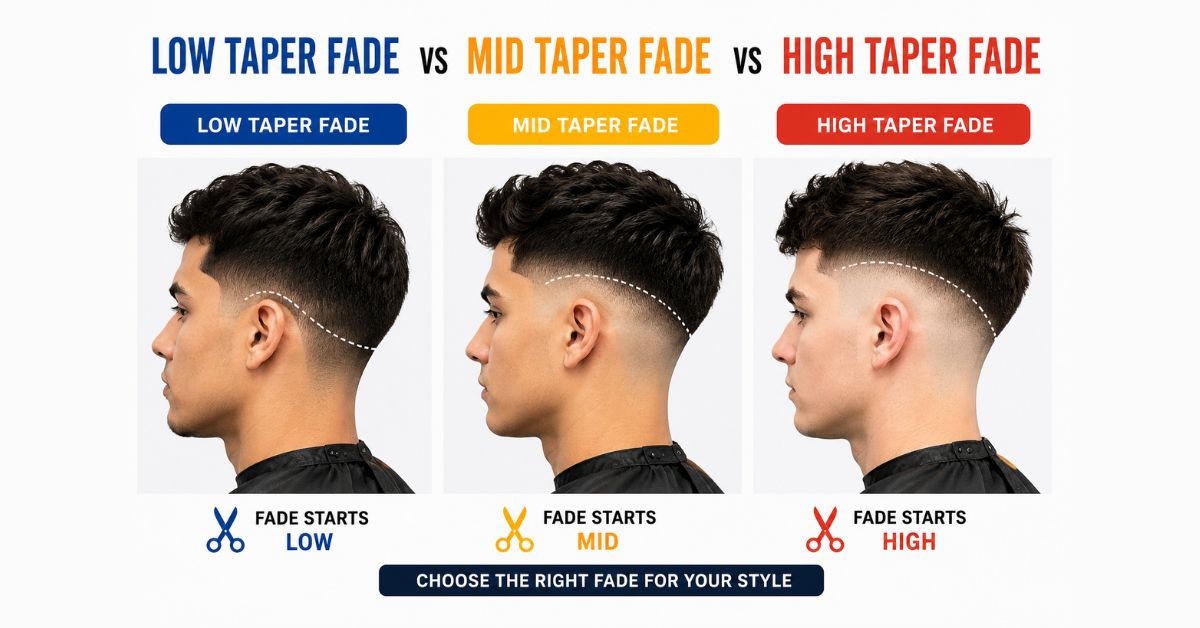
The fade level low, mid, or high describes where on the head the fade begins its transition. Think of your head as having three horizontal zones. The lowest zone sits just above the ear and along the natural hairline. The middle zone runs through the temple area. The upper zone approaches the crown. A low taper fade starts in the lowest zone. A mid taper fade starts in the middle zone. A high taper fade starts in the upper zone, close to the crown. That starting point determines how much contrast the cut creates between the top and sides.
Why Choosing the Wrong Level Can Undercut the Whole Style
Here’s something most articles skip: fade level placement directly affects facial proportions. A high fade on someone with a long face can make the face appear even longer. A low fade on someone with a very round face may not add the visual length that would balance their features. The fade level isn’t just a style preference it’s a structural decision. Choosing based on what looks cool on someone else, rather than what works for your face shape and hair texture, is the most common reason men leave the barbershop unsatisfied.
Low Taper Fade The Clean, Subtle Choice
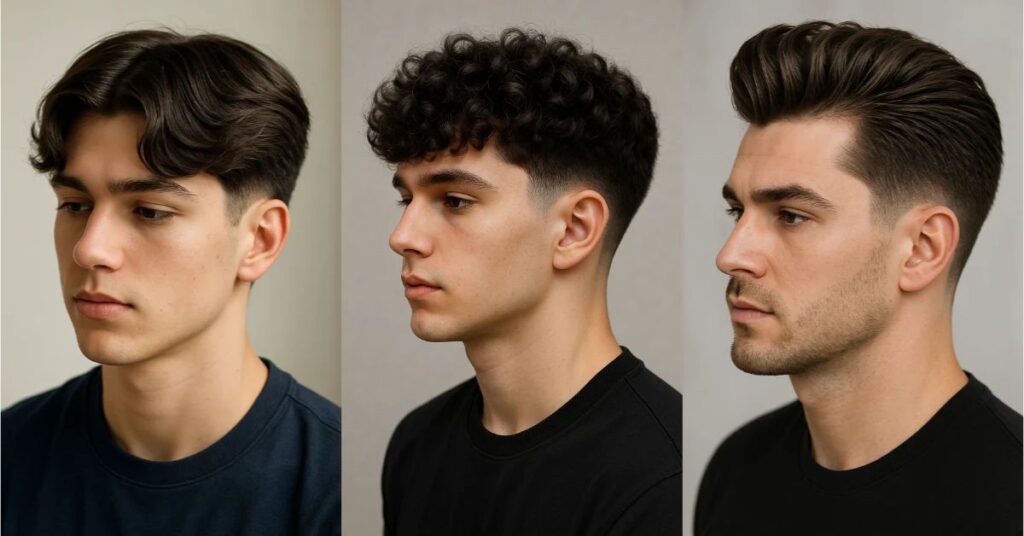
The low taper fade is the most restrained of the three. It starts just above the ear and along the lower hairline, creating a gradual transition that stays close to the natural growth line. The sides don’t go dramatically short. Instead, the hair fades subtly from a slightly shorter length near the bottom up to the fuller hair on top.
This subtlety is exactly what makes it so popular. The low taper fade doesn’t demand attention it just makes the overall haircut look more polished and intentional. For men in professional environments, it threads the needle between groomed and bold without crossing into territory that feels too dramatic for a boardroom or formal setting.
Where a Low Taper Fade Starts and How It Graduates
The fade begins right at the natural hairline just above where the ear meets the head. From there, the hair graduates upward very gradually. The transition zone is relatively narrow, which means the sides retain more length overall. This is different from a mid or high fade where the transition covers more of the head. The result is a clean fade haircut that looks neat without creating a sharp visual contrast between the top and sides.
Best Hair Types for a Low Taper Fade
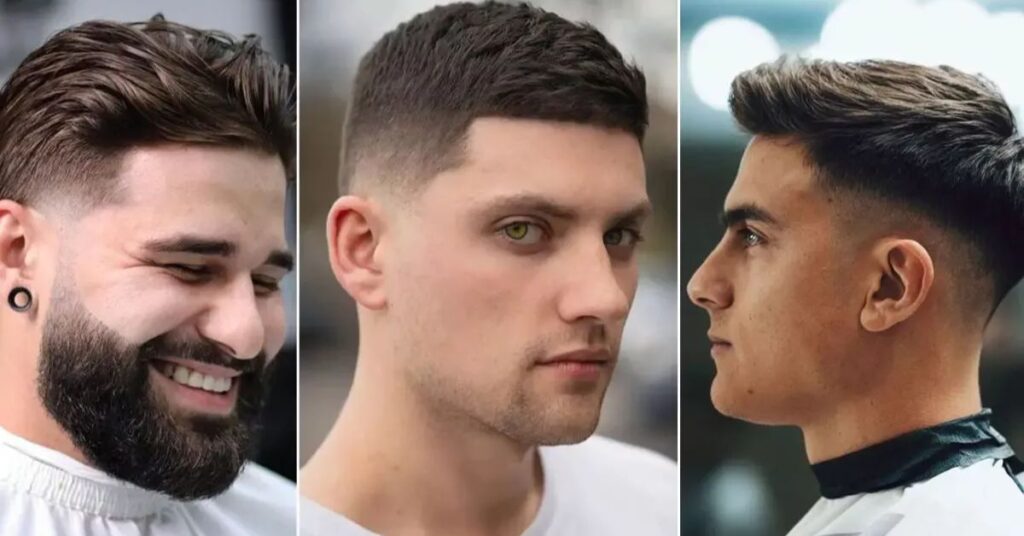
The low taper fade works across virtually every hair texture. For men with straight hair, it produces a sleek, precise edge that photographs cleanly. For men with wavy hair, the low fade frames the texture without competing with it. For men with curly hair or coily hair, it provides a clean boundary that lets the natural curl pattern take center stage on top. That versatility is one reason this style consistently ranks among the most requested cuts in barbershops globally.
That said, men with very fine or thinning hair benefit particularly from the low fade. Because the fade starts lower, less scalp is exposed on the sides which is an important consideration if hair density is a concern.
Face Shapes That Benefit Most From a Low Taper
The low taper fade is the most face-shape-neutral of the three options. It adds minimal height contrast, which makes it suitable for men with oval, oblong, or diamond-shaped faces. Men with round faces can still wear a low fade successfully especially when paired with a style that adds height on top, like a quiff or textured crop. In contrast, men with very angular or square faces often find the low fade preserves their natural symmetry better than a more aggressive cut.
How Long a Low Taper Fade Stays Sharp
Of the three fade levels, the low taper tends to hold its shape the longest. Because the fade starts lower and covers a smaller portion of the head, the grow-out is less noticeable. Most men can go four to six weeks between cuts without the style looking obviously grown out. For anyone managing a busy schedule or a tighter grooming budget, that extended interval is a genuine practical advantage.
Low Taper Fade Style Pairings
The low taper fade pairs naturally with a wide range of styles on top. French crop and textured crop styles sit particularly well with a low fade because both are relatively short on top and don’t need dramatic side contrast to look intentional. Comb overs and side parts also work cleanly, as the low fade creates a natural boundary without overshadowing the parting. For men with curly hair or an afro, a low fade provides a refined base that lets the texture on top breathe.
Mid Taper Fade The Versatile Middle Ground
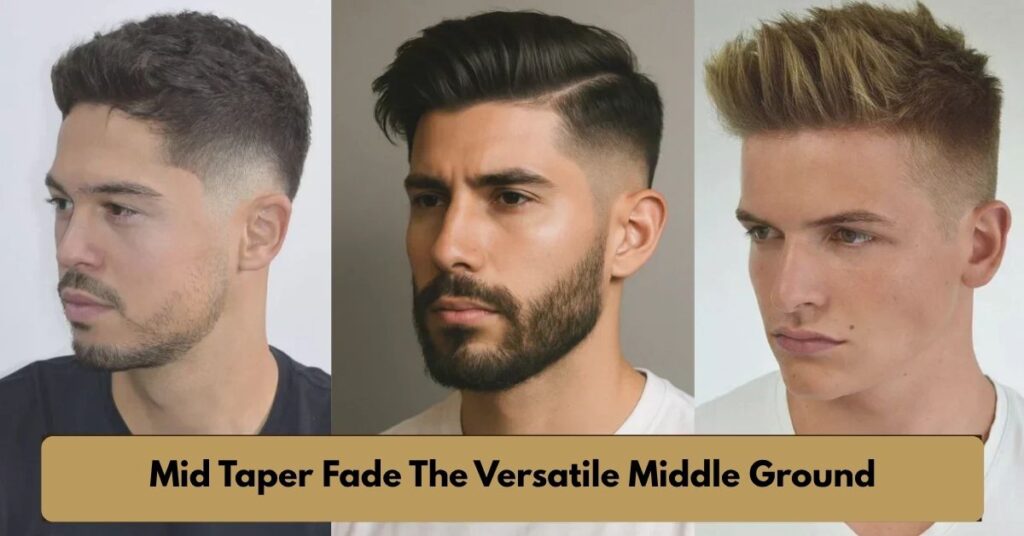
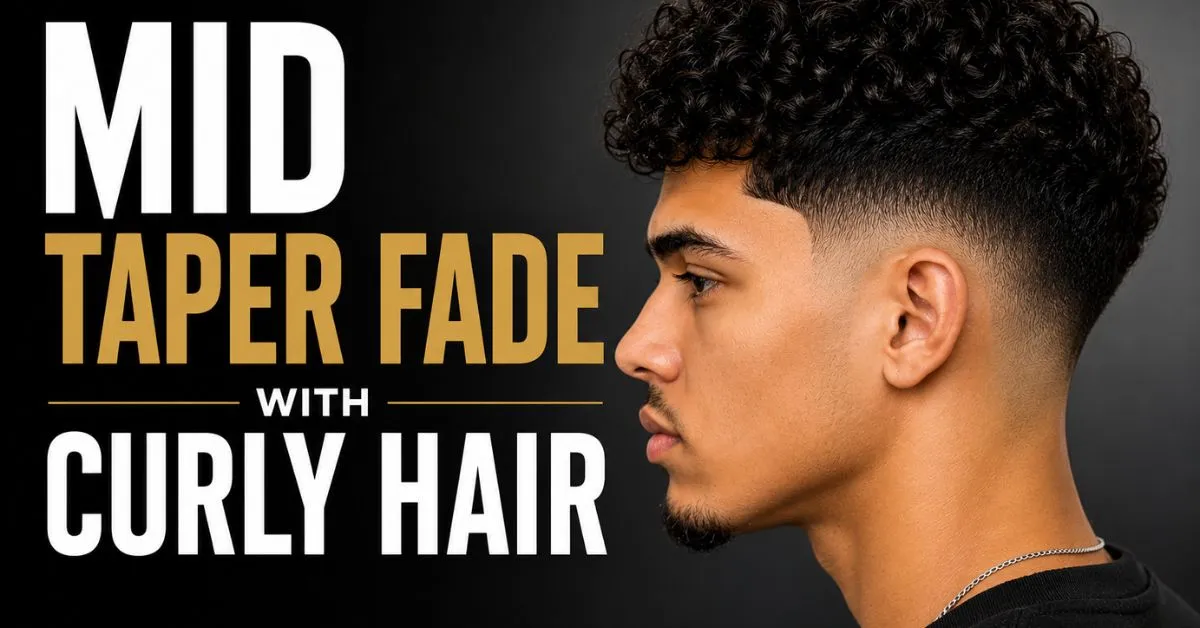
The mid taper fade starts at the temple roughly halfway up the side of the head. It creates more contrast than a low fade but less than a high fade, landing it squarely in the most versatile position of the three. This is why many barbers consider the mid taper their default recommendation for new clients: it flatters a wide range of face shapes, works with most hair types, and suits both casual and professional settings reasonably well.
The mid taper fade has also become one of the most consistently trending cuts in contemporary barbering. Its balance between restraint and visual impact makes it adaptable you can pair it with a polished comb-over for an office environment or a messy textured fringe for a weekend look without the haircut itself feeling out of place either way.
Where a Mid Taper Fade Starts and What Sets It Apart
The fade begins at the temple and travels downward toward the ear and neckline. This creates a broader transition zone than the low fade, meaning the graduation covers more of the head. The result is a noticeably cleaner contrast between the sides and the top. When you look at someone with a mid taper fade from the front, the sides appear significantly shorter than the top but not so dramatically that the cut looks severe.
Mid Taper vs Mid Fade They Are Not the Same Thing
This is one of the most common points of confusion in barbershop conversations. The mid taper vs mid fade distinction matters. A mid fade is a full fade that starts at the mid-point of the head it goes all the way to skin level and stays there across the entire lower portion of the head. A mid taper fade starts at the same level but includes a tapering graduation rather than a uniform skin-close finish. The taper creates a softer, more blended transition. The pure mid fade creates a sharper, more defined line. Neither is better they suit different aesthetics. However, if you ask your barber for a mid fade when you mean a mid taper, you may get more contrast than you expected.
Hair Types and Textures That Work Best
Thick and coarse hair responds particularly well to a mid taper fade. The wider graduation zone gives the barber more room to manage bulk on the sides, and the result sits cleanly without the sides looking heavy. Men with wavy hair also find the mid fade level useful the transition is gradual enough to blend naturally with wave patterns without requiring excessive blending work.
For men with curly hair, the mid taper is a strong choice when paired with a defined curl pattern on top. The contrast the mid fade creates actually enhances the visual impact of the curls. That said, if your curls are very tight and you prefer a more uniform silhouette, the low taper may serve you better.
Face Shapes That Suit a Mid Taper Fade
The mid taper works best for oval and oblong face shapes the proportional contrast it creates is balanced and doesn’t add or subtract visual length in a way that distorts features. Men with round faces can use a mid taper paired with height on top to create the illusion of a longer, narrower face. For square faces, the mid fade works well as long as the top is styled with some softness hard lines on both the fade and the top can emphasize jaw width more than intended.
Mid Taper Fade Style Pairings
The mid taper fade pairs especially well with styles that benefit from clear side definition. Quiffs, blowouts, side parts, and textured fringes all look stronger with a mid fade as the base. The Edgar cut characterized by a blunt, straight fringe has become closely associated with the mid taper because the contrast between the defined top line and the faded sides creates a very deliberate geometric look. Mullets with a mid fade have also seen a significant resurgence, balancing the retro length at the back with a modern clean fade on the sides.
High Taper Fade The Bold, High-Contrast Statement
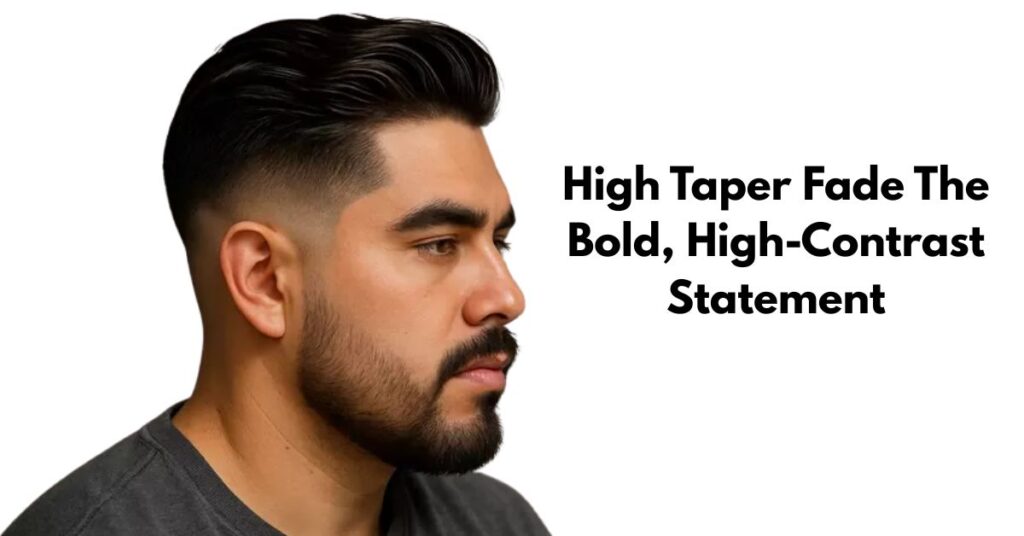
The high taper fade starts near the crown the upper portion of the head. This placement creates the maximum possible contrast between the sides and the top, making it the most visually dramatic of the three options. The sides are taken very short, very high up, which means the top hair regardless of length or style stands out prominently.
This is a cut that makes a statement. It’s not the choice for someone who wants their haircut to blend quietly into the background. A well-executed high taper fade commands attention, which is exactly what many men want from it. It’s a particularly popular choice in creative industries, among younger men, and in environments where personal style is part of the culture.
Where a High Taper Fade Starts and Why It Looks So Dramatic
The fade begins close to the crown and transitions sharply down through the temple, past the ear, and into the neckline. Because the transition zone covers nearly the entire side of the head, the contrast is stark. Even a moderate amount of hair on top looks significantly fuller and more prominent against the very short sides. This contrast effect is what gives the high taper its bold, striking appearance.
The high taper fade also emphasizes the hairline and sideburns more than any other fade level, which means edge definition becomes especially important. A high fade with clean, precise edges looks polished. Without sharp edges, the same cut can look unfinished.
Hair Types Best Suited to a High Taper Fade
Thick, voluminous, and curly hair benefits most from the high taper fade. The dramatic contrast between very short sides and full, textured hair on top is most impactful when the top hair has natural volume or movement. Men with coily or afro-textured hair often choose the high fade because it creates an incredibly defined silhouette the afro or curl pattern on top appears fuller and more deliberate against the clean high fade.
That said, men with straight or fine hair can also wear a high taper fade effectively, especially when paired with a pompadour or quiff that adds visual volume on top. The key is making sure there’s enough length and body on top to balance the very short sides.
Face Shapes to Consider Before Going High
The high taper fade adds significant vertical emphasis. This makes it a strong choice for round faces the added height visually lengthens the face and creates a more balanced proportion. However, men with already long or oblong faces should approach the high fade with care. Adding more height on a long face can make the face appear even more elongated. In those cases, a mid or low fade will serve the proportions better.
Square faces can wear a high fade well when the top is styled with softer, more rounded shapes rather than hard angular lines. The combination of a square jaw and a very sharp high fade can look powerful but intentionally so, rather than accidentally severe.
High Taper Fade Style Pairings
The high taper fade is the natural home for styles that demand presence. Pompadours and quiffs with a high fade create a classic contrast that never goes out of style. Faux hawks rely almost entirely on the high fade for their visual impact without the dramatic short sides, the center strip of longer hair loses its effect. Afro styles paired with a high taper create one of the most iconic silhouettes in contemporary men’s grooming.
The buzz cut with a high taper fade is an interesting counter-intuitive pairing it keeps the overall hair very short but the high fade still creates visible definition and shape. It’s one of the lowest-maintenance options in the fade category while still looking intentional and modern.
Does a High Taper Fade Work With a Beard?
Yes and the combination can be particularly effective. A full or medium-length beard paired with a high taper fade creates a striking frame for the face. The very short sides of the high fade contrast against beard hair that meets the fade at the jawline, creating a sharp visual boundary. However, the beard and fade need to be blended carefully at the sideburn area, or the transition can look disconnected. This is one reason a high fade with a beard should always be done by an experienced barber rather than attempted as a home trim.
Low vs Mid vs High Taper Fade Head-to-Head Comparison
Understanding each fade individually is useful. Seeing them directly compared makes the decision much clearer. The table below maps the key differences across the factors that matter most when choosing a fade haircut.
| Feature | Low Taper Fade | Mid Taper Fade | High Taper Fade |
| Fade start point | Just above the ear | Temple level | Near the crown |
| Visual contrast | Subtle | Moderate | Bold |
| Maintenance frequency | Every 4–6 weeks | Every 3–5 weeks | Every 2–4 weeks |
| Best face shapes | Most shapes | Oval, oblong, round | Round, square |
| Best hair textures | All types | All types | Thick, curly, coily |
| Formality level | High | Medium-high | Casual to medium |
| Grow-out appearance | Gradual and natural | Moderate | Noticeable quickly |
| Visual boldness | Understated | Balanced | Statement-making |
Which Fade Level Looks Most Professional?
The low taper fade wins on formality. Its subtle graduation doesn’t disrupt a polished, conservative appearance. Many barbers specifically recommend it to clients who work in formal office environments, law, finance, or any setting where grooming is expected to be restrained. The mid taper fade is close behind it’s well within the range of professional acceptability in most industries. The high fade, with its dramatic contrast, reads as more personal and expressive, which suits creative and informal environments far better than traditional corporate ones.
Which Fade Grows Out Most Gracefully?
The low taper fade grows out the most naturally. Because the fade starts low and covers a smaller surface area, the regrowth is gradual and less noticeable week to week. The high fade, in contrast, shows regrowth quite quickly within two to three weeks, the sharp contrast begins to blur, and the cut can start to look shapeless. This is an important practical consideration for anyone managing their grooming on a schedule.
Which Fade Is the Lowest Maintenance?
For overall haircut maintenance, the low fade is the clear winner. Longer intervals between cuts, natural-looking grow-out, and lower barber costs over time make it the most economical option. The high fade requires the most frequent upkeep roughly every two to three weeks for men who want to maintain the sharp contrast that makes the style work.
How to Choose the Right Taper Fade for Your Face Shape
Face shape is one of the most practical filters for narrowing down your fade choice. The right fade level works with your natural proportions. The wrong one creates imbalance that even a great haircut can’t fully compensate for.
Oval Face
An oval face is the most proportionally balanced face shape, and it works with all three fade levels. If you have an oval face, your decision comes down to lifestyle, hair type, and personal preference rather than structural necessity. That said, a mid taper fade tends to complement oval faces particularly well it adds definition without over-emphasizing any one feature.
Round Face
Round faces benefit from added vertical height. The mid taper fade or high taper fade paired with length and volume on top creates an elongating effect that balances the width of the face. A low fade without any height on top can actually make a round face appear wider. If you choose a low fade with a round face, compensate by styling the top with upward volume rather than a flat or side-swept look.
Square Face
A square face has strong, defined jaw angles. The low taper fade preserves that structure without amplifying it. A high fade with very sharp lines can over-emphasize jaw width in a way that looks more severe than intended. That said, men with square faces who specifically want to lean into their strong features often choose a high fade deliberately it can look commanding and powerful when styled with confidence.
Oblong and Diamond Faces
Longer face shapes generally benefit from width rather than height. A low taper fade keeps the proportions balanced. Avoid high fades paired with tall styles on top this combination adds visual height to an already long face. A mid fade with a side-swept or textured crop keeps things balanced and avoids making the face look stretched.
How to Choose the Right Taper Fade for Your Hair Type
Your hair texture is as important as your face shape when selecting a fade level. The way your hair moves, holds shape, and grows back affects which fade level will work cleanly and which will create problems.
Fine or Thinning Hair
Fine hair requires care around fade placement. A high fade exposes a large portion of the scalp on the sides, which can draw attention to thinning if it exists. A low taper fade keeps more hair on the sides, reducing the visibility of scalp on the sides. If you have fine hair and want a mid fade, consider keeping the top longer and fuller to maintain balance.
Thick and Coarse Hair
Thick hair holds a fade exceptionally well because the graduation from thick to skin-close is visually dramatic and clean. All three fade levels work for thick hair. The mid and high fades are particularly effective because the contrast between the full, thick top and the closely faded sides is striking without additional effort.
Curly and Coily Hair
Curly and coily hair types are among the most visually dynamic with a fade. The key is matching the fade level to how much top volume you want to show. A high fade paired with a full curl pattern or afro creates an iconic silhouette. A low or mid taper fade gives you a more balanced, versatile result that works for both formal and casual settings.
Straight Hair
Straight hair produces very clean, precise fade lines which is why it photographs so crisply in barbershop portfolios. The low and mid fade are typically the strongest choices for straight hair because they don’t require the hair to create volume or contrast on its own. A high fade with straight hair works best when the top is styled with a pomade or wax to build body.
Fade by Lifestyle Matching Your Cut to How You Live
Most guides focus on face shape and hair type and stop there. But lifestyle is an equally important factor. The best fade for your face may not be the best fade for your week.
Office and Formal Settings
If you work in a formal or client-facing environment, the low taper fade is almost always the right choice. It reads as polished, deliberate, and professional without drawing attention to itself. The mid taper fade is also acceptable in most modern offices, particularly in industries that are less traditionally conservative. The high fade, in most formal contexts, will stand out which may or may not be appropriate depending on your workplace culture.
Active and Athletic Lifestyles
Men who are physically active athletes, trainers, or anyone spending significant time outdoors or in gyms often find the high taper fade or mid fade more practical. Less hair on the sides means less heat retention and easier management after exercise. The low fade can feel heavier by comparison if you’re sweating regularly and want the cleanest possible post-workout look.
Creative and Casual Environments
In creative fields or casual daily environments, all three fades work and the choice becomes purely about personal expression. The high taper fade with a bold style on top is a natural fit for anyone who wants their haircut to be part of their visual identity. Students, artists, and men in informal work environments typically have the most freedom here.
Fade Upkeep on a Budget
The cost of maintaining a taper fade over time is worth calculating. If a standard barber visit costs roughly the same regardless of fade type, the difference comes down to frequency. A high fade maintained every two to three weeks costs roughly twice as much annually as a low fade maintained every five to six weeks. For men managing a tighter grooming budget, a low taper fade is not just a stylistic choice it’s a financially sensible one.
How to Tell Your Barber Exactly What You Want
Even the best barber can’t deliver the right result without clear communication. Most haircut disappointments aren’t about skill they’re about unclear instructions. Here’s how to describe each fade type precisely.
The Exact Words to Use for a Low Taper Fade
Say: “I’d like a low taper fade start the fade just above the ear and along the natural hairline, and keep the transition tight. Leave more length on the sides and take it down to skin only at the very bottom.” If you want to be even more specific, mention the clipper guard numbers: ask for a 1 or 1.5 at the lowest point, blending up to a 3 or 4 at the sides.
The Exact Words to Use for a Mid Taper Fade
Say: “I’d like a mid taper fade start the fade at the temple, blend it down through the sideburns to skin at the bottom. Keep a clear graduation rather than a hard line.” Clarify whether you want the top to stay longer or if you want a specific style on top. Mention if you want the fade to drop behind the ear or follow a straight horizontal line.
The Exact Words to Use for a High Taper Fade
Say: “I’d like a high taper fade start the fade close to the crown, take the sides short and keep the transition tight. I want strong contrast between the top and sides.” Mention whether you want sharp, defined edges at the hairline and around the sideburns, or a more blended finish. For a high fade with a beard, specifically ask the barber to blend the beard into the fade at the sideburn.
Clipper Guard Numbers That Match Each Fade Level
Understanding guard numbers removes ambiguity from barber conversations.
| Fade Section | Low Taper | Mid Taper | High Taper |
| Lowest point (base) | 0–0.5 | 0–0.5 | 0–0.5 |
| Lower transition | 1–1.5 | 1–1.5 | 1–1.5 |
| Mid transition | 2–3 | 2–3 | 2–3 |
| Upper blend | 3–4 | 3–4 | 3–4 |
| Top length | Varies | Varies | Varies |
The numbers at each level are similar the difference between fades is where on the head each guard number is applied, not which guards are used.
What to Bring to the Appointment
The single most effective thing you can bring to a barber appointment is a reference photo. Not a photo of a celebrity a photo of someone with a similar hair type and face shape to yours wearing the fade you want. The more similar the reference photo is to your own hair, the more accurately your barber can replicate the result.
Styling Your Taper Fade Products and Techniques by Fade Type
A great taper fade is only half the equation. How you style and maintain the hair on top determines whether the cut actually looks finished. The right product makes a significant difference.
Texture Clay and Pomade When to Use Each
Texture clay is ideal for cuts that benefit from definition and natural-looking separation textured crops, messy styles, or anything where you want the hair to look intentionally undone. It provides hold without making the hair look wet or heavy. Pomade suits sleeker styles comb-overs, side parts, and pompadours respond well to pomade’s ability to keep hair flat and in place with a visible sheen. Water-based pomades wash out more easily and are generally preferred for daily use.
Sea Salt Spray for Natural-Looking Texture
Sea salt spray is best applied to damp hair before styling. It adds texture and movement without weighing the hair down particularly useful for wavy or slightly curly hair. For men with a mid or low taper fade and natural waves on top, sea salt spray enhances the texture without requiring any additional product layering.
Texture Powder for Volume at the Roots
Texture powder works differently from most styling products you apply it at the roots and work it through dry hair to create lift and fullness. For men with fine hair wearing a low taper fade, texture powder adds the appearance of volume that the cut alone can’t provide. It’s also one of the easiest products to use and removes easily without washing.
Blow Drying Techniques That Work With Each Fade Level
A round brush and a low-heat blow dryer can dramatically change the final appearance of a men’s fade haircut. For quiffs and pompadours, blow dry the top hair upward and forward while it’s warm, then finish with a light product once it cools. For textured crops or French crops, rough-dry with your fingers while scrunching slightly to enhance natural texture. The faded sides require no blow drying leave them as they are after cutting.
Maintaining Your Fade Between Barber Visits
No haircut looks exactly the same at week one, week three, and week six. Knowing what to expect from your specific fade level helps you manage your grooming routine and plan appointments appropriately.
What Each Fade Looks Like at 2, 4, and 6 Weeks Post-Cut
Low taper fade: At two weeks, the cut looks virtually the same as when you left the barbershop. At four weeks, the bottom of the fade starts to soften slightly but the style remains intact. At six weeks, the fade has grown noticeably but the overall cut still reads as intentional rather than neglected. A trim at this point restores it cleanly.
Mid taper fade: At two weeks, still sharp and clean. At four weeks, the contrast begins to reduce as the sides grow out. At six weeks, the mid fade has grown enough that it starts to look more like a low fade the definition is there but less dramatic. Most men with a mid fade opt for a visit at the four to five week mark.
High taper fade: This is where maintenance frequency becomes most relevant. At two weeks, the grow-out is already beginning to show. At three weeks, the high contrast that defines the cut has softened noticeably. Most men with a high taper fade visit the barber every two to three weeks to keep the style at its sharpest.
Daily Habits That Keep a Fade Looking Fresh Longer
Moisturizing the scalp and hairline regularly keeps the skin around the fade healthy, which makes the fade look cleaner by contrast. Dry, flaky skin around the neckline or sideburn area is one of the most common things that makes a good haircut look less sharp than it should. A light scalp oil or moisturizer applied two to three times a week is sufficient for most hair types.
Edge Maintenance at Home
The neckline and hairline are the first things to look overgrown. Some men use a small trimmer at home to clean up the hairline between appointments this is reasonable if you’re comfortable and experienced with a trimmer. However, the faded sections themselves should always be left to the barber. Attempting to touch up a fade at home without professional training almost always results in uneven lines that are difficult to correct.
Frequently Asked Questions
What is the difference between a low taper fade and a mid taper fade?
The main difference is where the fade begins on the head. A low taper fade starts just above the ear at the natural hairline, creating subtle contrast. A mid taper fade starts at the temple level, covering more of the head and creating a more pronounced contrast between the sides and the top. The mid fade looks bolder; the low fade looks more refined and conservative.
Is a high taper fade harder to maintain than a low taper fade?
Yes, significantly. A high taper fade requires visits to the barber every two to three weeks to maintain its defining contrast. A low taper fade can look sharp for four to six weeks. Over the course of a year, this means a high fade may require twice as many appointments which is a practical consideration alongside the stylistic one.
Which taper fade works best for beginners?
The mid taper fade is the most commonly recommended starting point for men trying a fade for the first time. It offers enough visual definition to feel like a noticeable change, without the aggressive contrast or high maintenance demands of a high fade. It also suits a wider range of face shapes than the high fade, making it a lower-risk choice.
What is the actual difference between a taper and a fade?
A taper gradually reduces hair length toward the neckline and sideburns but doesn’t necessarily reach skin level. A fade takes the transition all the way to skin, or very close to it. A taper fade combines both: it tapers and then fades to skin. In practice, most modern barbers use “taper” and “fade” interchangeably, but technically they refer to slightly different endpoints.
Can you combine a taper fade with a beard at any level?
Yes all three fade levels work with a beard, but the blend technique changes. A low taper fade blends naturally into a beard because both the fade and the beard hair meet at a similar level near the jaw. A high taper fade with a full beard creates strong contrast and requires careful blending where the faded sideburn meets the beard line. Always tell your barber you have a beard before they begin it affects how they plan the fade.
How much does a taper fade haircut typically cost?
Pricing varies significantly depending on location, barbershop type, and barber experience. In most urban areas globally, a standard taper fade haircut ranges from roughly $20 to $60 for a quality cut. High-end grooming salons or barbers with strong reputations may charge more. The fade level itself rarely changes the price significantly what you pay for is the barber’s skill and time, not whether the fade starts low or high.
Conclusion
The low taper fade, mid taper fade, and high taper fade are three distinct versions of the same foundational idea a clean, graduated transition from longer hair on top to close-cropped sides. What separates them is where that transition begins, how much contrast it creates, and how that contrast interacts with your face shape, hair texture, and daily lifestyle.
The low taper fade is the most versatile and professional option. It’s forgiving across face shapes, low maintenance, and works in virtually any setting. The mid taper fade hits the ideal middle ground bold enough to be a statement, contained enough to be universally appropriate. The high taper fade is for men who want maximum contrast and are willing to maintain it regularly.