Kids Taper Fade The Complete 2025 Guide for Parents
A good haircut can change how a kid feels walking into school. The kids taper fade has become the go-to choice for parents who want something sharp, low-maintenance, and easy to keep neat between barber visits.
It works on almost every hair type, suits toddlers through teens, and gives barbers plenty of room to customize the top while keeping the sides clean and controlled.
This guide breaks down everything you need to know before your next barber visit from picking the right fade height to knowing exactly what to say so you walk out with the cut you actually pictured.
What Is a Kids Taper Fade? (And How It Differs From a Skin Fade)
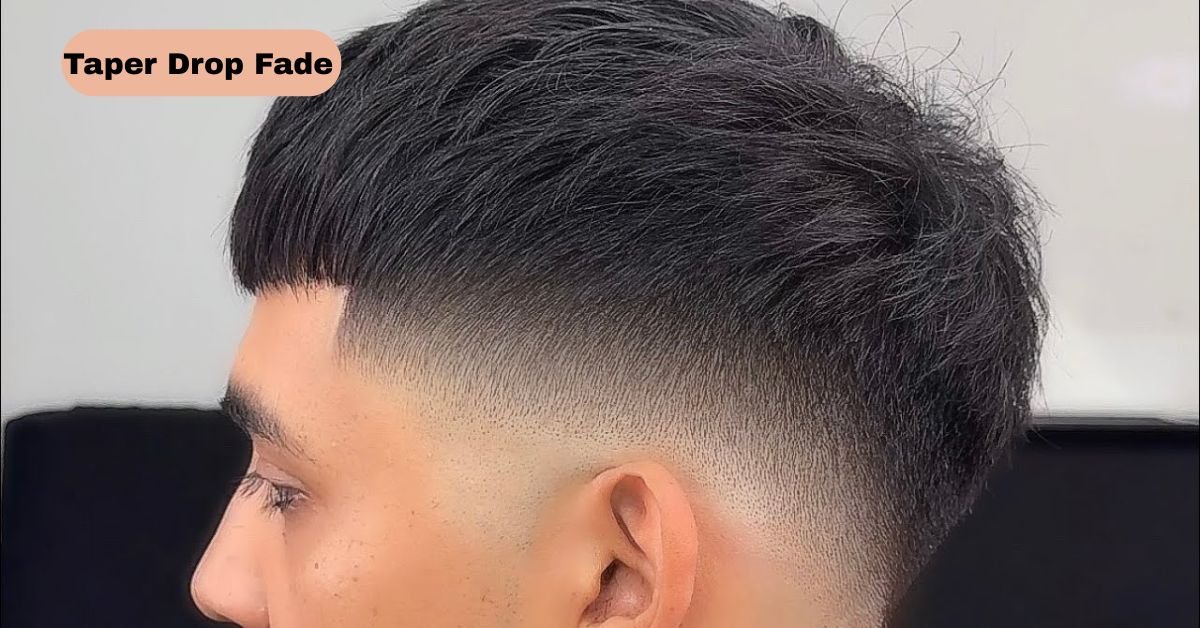
A taper fade is a haircut where the hair gradually shortens from the top of the head down to the neckline and around the ears, without ever exposing bare skin. The transition is smooth rather than abrupt, which is exactly why it reads as neat instead of severe. This makes it one of the most flexible boys haircut styles available, since the top can stay long, short, curly, or textured while the sides stay tidy.
A skin fade, on the other hand, blends hair all the way down to bare skin at some point on the head, usually near the ear or temple. A bald fade takes this even further, fading to skin across a wider area.
For younger kids, barbers usually recommend the taper version specifically because it’s gentler there’s no harsh skin line, which means less obvious regrowth and a longer stretch between cuts. That difference matters more than most parents realize when they’re trying to avoid weekly barber trips.
Taper Fade vs. Skin Fade vs. Bald Fade Comparison Table
| Fade Type | How Short It Goes | Best For Age | Maintenance Level |
| Taper Fade | Short, never to skin | Toddlers through teens | Low grows out gracefully |
| Skin Fade | Fades to skin at one point | School age and up | Medium needs regular touch-ups |
| Bald Fade | Fades to skin across a wide area | Teens, older boys | High visible regrowth fast |
This table is a useful reference to bring up with your barber, especially if you’re not sure which term to use. Saying “taper fade” instead of “skin fade” alone can save you from ending up with a much shorter result than you wanted.
Boys Low Taper Fade: Why It’s the Most Popular Choice for Kids
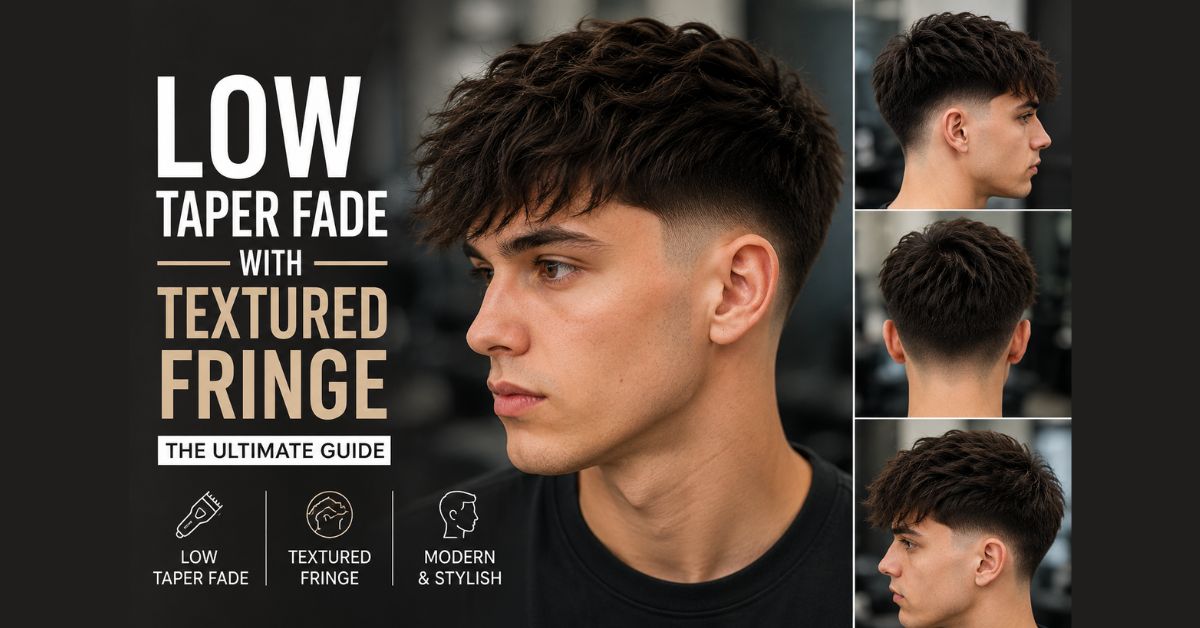
Among all the variations, the boys low taper fade consistently comes out on top with parents, and the reasoning is practical rather than just trendy.
A low taper fade starts the gradual shortening near the ear line rather than higher up the head, which keeps the overall look subtle. That subtlety matters for school dress codes, family photos, and simply not drawing attention in the wrong way.
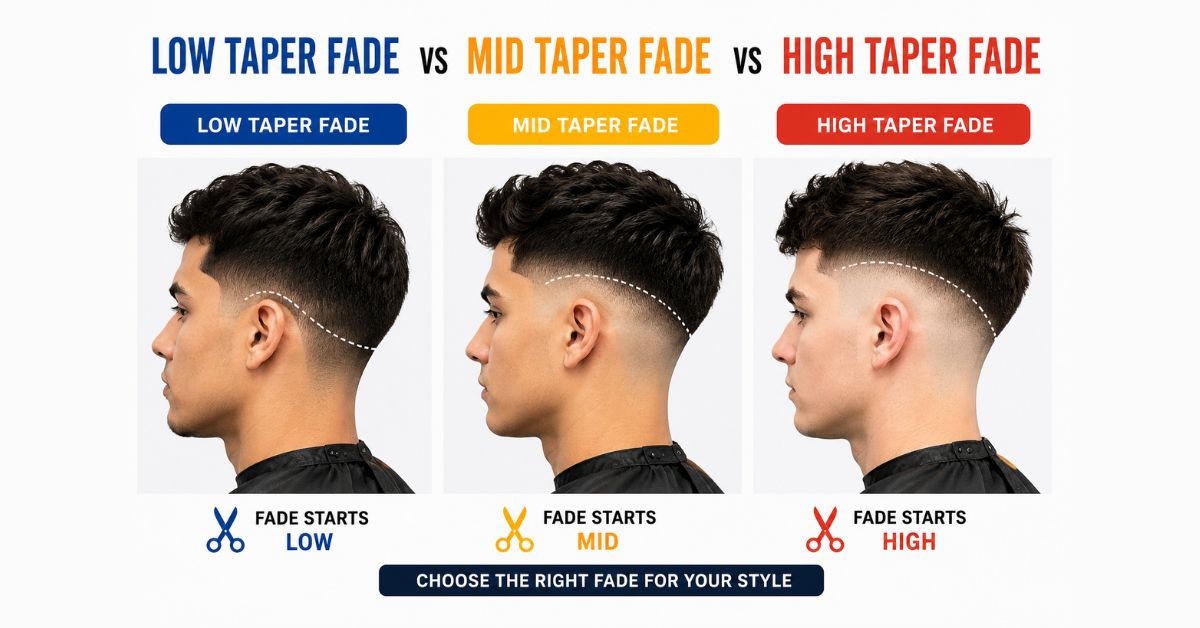
What sets a low taper fade for kids apart from a mid or high fade is where the blend begins. A high taper fade starts the transition above the temple, creating a bolder contrast that some teens prefer. A mid taper fade sits between the two.
The low version, in contrast, keeps more length around the sides, which means it grows out far more evenly and doesn’t need a touch-up every two weeks just to look presentable.
This style also tends to suit the widest range of hair types. Straight hair holds the blend cleanly, wavy hair adds natural texture without looking messy, and even thicker hair handles a low fade well since there’s less length difference for the clippers to manage. If you’re unsure where to start, a low taper fade boys style is almost always the safest first request for a first-time taper fade.
Kids Taper Fade Styles by Age Group
Not every taper fade suits every age, and a good barber will adjust both the cut and the experience based on how old your child is. Toddlers need a faster, gentler approach. Teens often want more detail and personalization. Matching the style to the age keeps both the haircut and the appointment itself stress-free.
Toddler Taper Fade (Ages 2–5): What to Expect at the First Cut
A first haircut is often more about the experience than the result. Many toddlers find clippers loud and unfamiliar, so barbers experienced with young kids usually start with scissors on top and save the clipper work for the sides, where there’s less hair and less noise close to the ears. Keeping the toddler taper fade simple short on the sides, slightly longer on top gives a clean look without requiring the child to sit still for very long.
It helps to bring a comfort item, schedule the appointment when your child isn’t tired or hungry, and avoid promising a specific style outcome in advance. Toddlers move, and a flexible barber will adjust the plan mid-cut if needed. The goal at this age isn’t precision it’s a positive first experience that makes future haircuts easier.
School-Age Taper Fade (Ages 6–12): Low-Maintenance Styles
This age group benefits most from a taper fade haircut for boys that can survive gym class, swimming, and weeks without a touch-up. A low or mid taper fade with a slightly textured top works well here because it doesn’t require daily styling a bit of product and a quick comb is usually enough before school.
Since school-age kids are also more aware of how they look compared to classmates, this is often when requests start getting specific. A line up (a sharp, straight hairline at the front) is a popular add-on at this age, giving the cut a crisp finish without changing the overall low-maintenance nature of the style.
Teen Taper Fade (Ages 13–17): Trend-Forward Variations
Teens generally want more say in the final look, and a boys taper fade haircut at this age often includes higher contrast, more defined parts, or added texture on top. A mid or high taper fade paired with a textured crop, a comb-over, or even a subtle design shaved into the side has become common among boys haircuts taper fade 2025 trends.
This is also the age where curl pattern and natural texture start playing a bigger role in styling choices, since teens are more likely to use product themselves. A barber who asks about daily styling habits not just the one-time cut will usually deliver a result that holds up better day to day.
Best Taper Fade Styles for Every Hair Type
Hair type changes how a taper fade blends, how long it lasts between cuts, and which finish looks best on top. A style that looks sharp on straight hair might need adjusting for curls, and vice versa.
Taper Fade for Straight Hair
Straight hair shows the fade line clearly, which makes precision more important than on other textures. A clean taper fade haircut on straight hair tends to highlight every transition point, so an experienced barber will usually blend more gradually to avoid any visible “step” in the hairline.
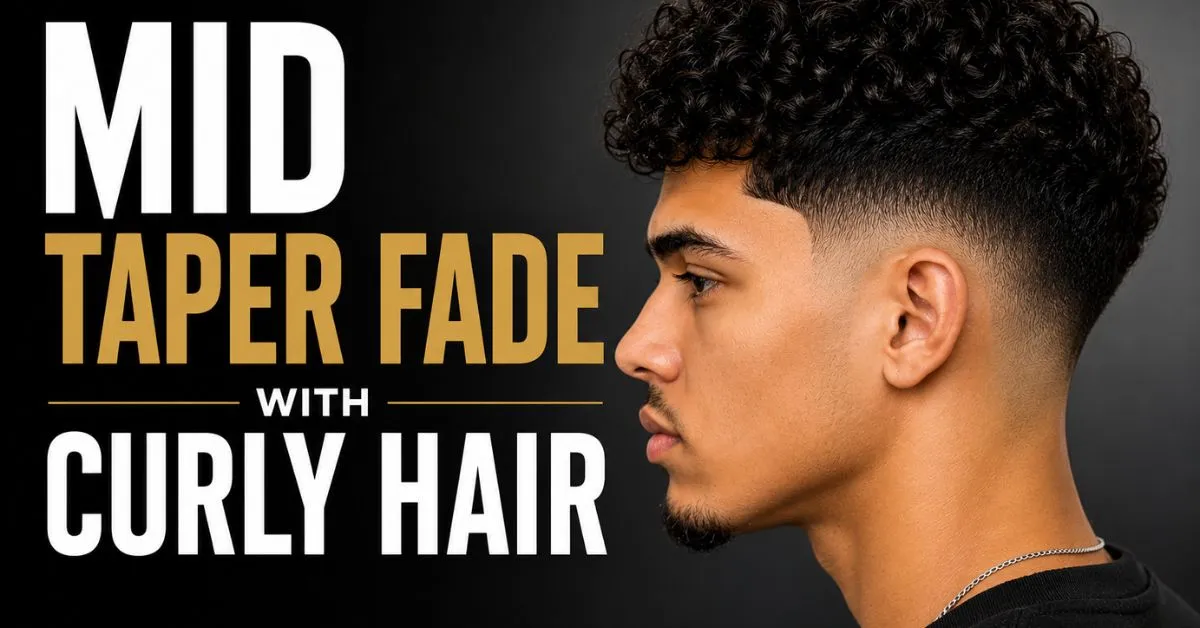
Taper Fade for Curly and Coily Hair
Curly hair taper fade boys styles need a slightly different approach, since curls bunch up and can hide the blend if cut too uniformly. Barbers often cut curly hair slightly drier and use a pick rather than just a comb to see the true shape before fading the sides.
This usually results in more volume retained on top, which actually works in favor of curly-haired kids since it lets the curl pattern stand out against the tapered sides.
Taper Fade for Thick or Dense Hair
Thick hair holds a taper fade well because there’s enough density to create a visible gradient. That said, thick hair also grows back faster in terms of visible bulk, so kids with denser hair may need a touch-up slightly sooner than those with fine hair typically closer to the 3-week mark rather than 4 to 6.
Taper Fade for Fine or Thin Hair
Fine hair fades very smoothly since there’s less resistance for the clippers, but it also shows scalp more easily at shorter lengths. A slightly longer guard on the sides usually gives a fuller appearance without sacrificing the clean taper look.
Top Kids Taper Fade Variations to Show Your Barber in 2025
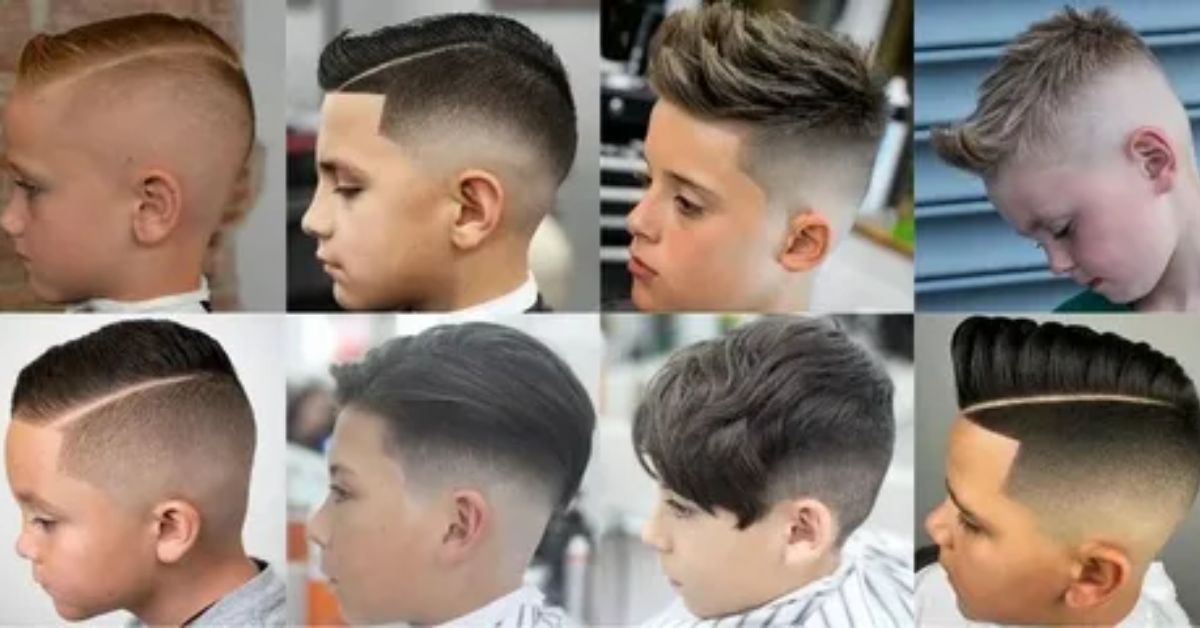
Bringing a photo reference is the easiest way to avoid miscommunication, but it helps to know the names too. Here are ten variations worth considering, each suited to slightly different preferences and hair types.
- Low taper fade with textured top the most requested style for school-age boys, balancing neatness with a bit of natural movement.
- Mid taper fade with side part a slightly more polished, classic look that works well for school photos.
- High taper fade with curls on top popular among curly-haired teens wanting strong contrast.
- Taper fade with line up adds a crisp, defined hairline to any of the above.
- Taper fade mohawk a bolder option for kids who want something distinctive.
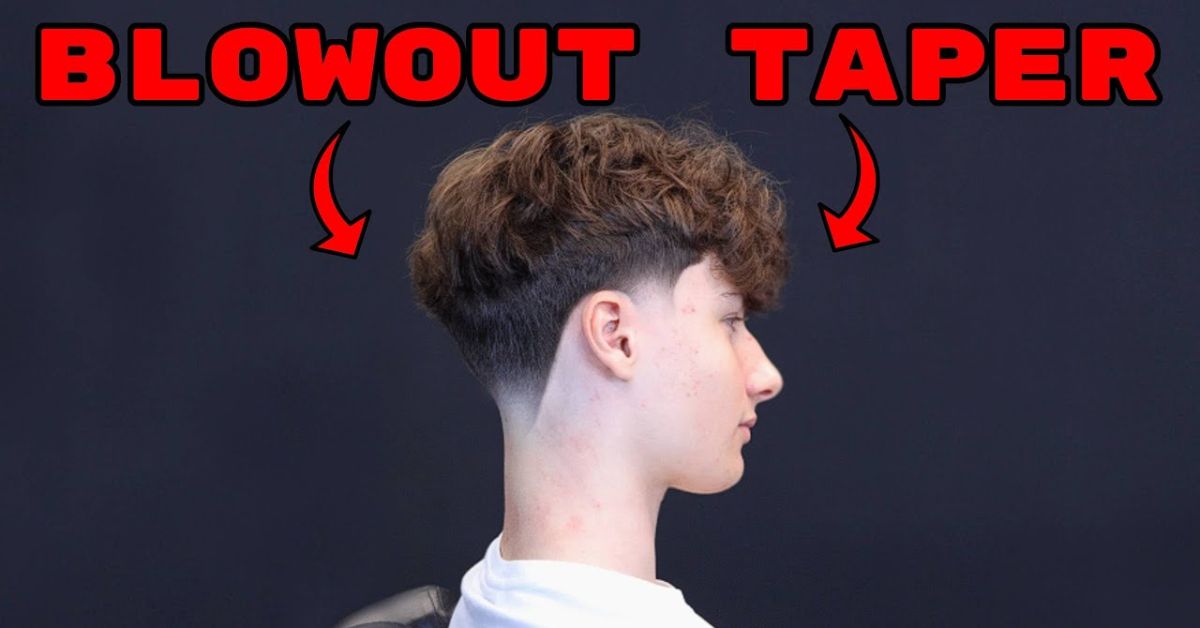
- Taper fade with fringe keeps length at the front for a softer, younger look.
- Taper fade comb-over a tidy, slightly formal option that suits special occasions.
- Taper fade buzz cut the lowest-maintenance version, ideal for active kids or summer.
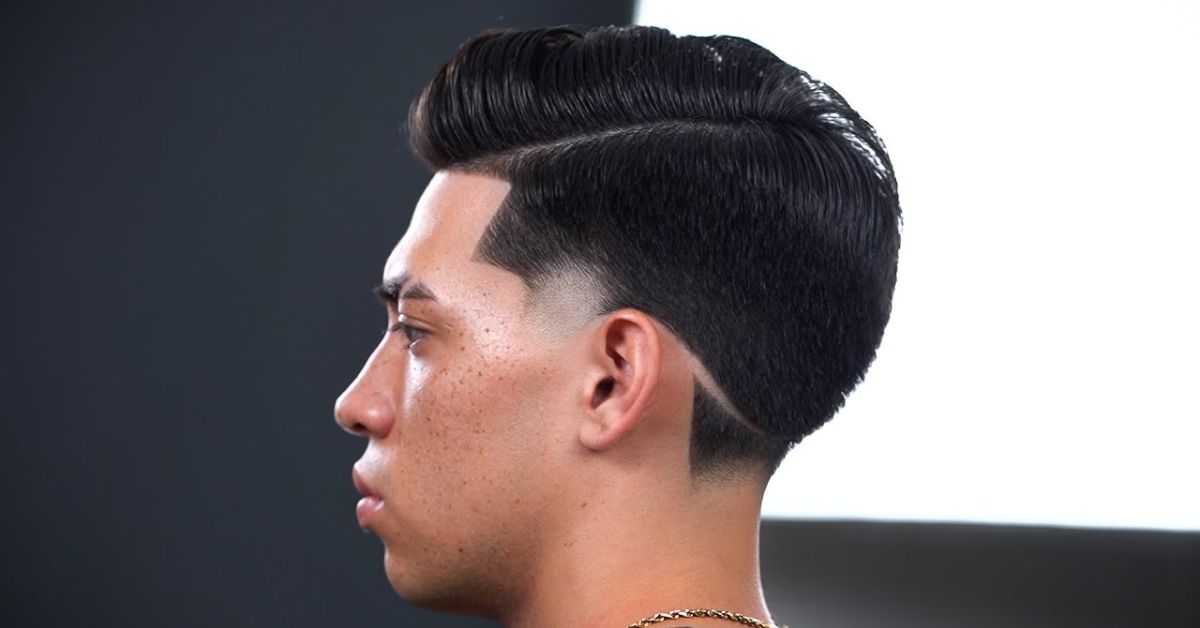
- Taper fade pompadour more styling required, but a striking result for older boys.
- Taper fade with design a shaved-in pattern or line, usually reserved for kids old enough to sit still through the extra detail work.
How to Ask for a Kids Taper Fade A Script for Talking to Your Barber
Walking into a barbershop without the right words can lead to a cut that’s shorter or more dramatic than you expected. Start by specifying the fade type clearly: say “low taper fade” rather than just “fade,” since that single word changes where the blend begins.
Mention the guard number if you know it a 2 or 3 on the sides is a common starting point for a low taper and describe how much length you want left on top, whether that’s “barely trimmed” or “scissor cut to about an inch.”
If your child has any sensitivities around their ears or neck, mention it before the cut starts rather than mid-appointment. For younger kids especially, it also helps to say whether this is a first haircut, since many barbers will adjust their pace and tools accordingly.
Bringing a clear photo example remains the single most effective way to communicate the result you want descriptions can be interpreted differently, but a photo removes the guesswork.
Kids Taper Fade Maintenance: How Often to Cut and How to Style at Home
A taper fade’s biggest advantage over a skin fade is how gracefully it grows out, but it still needs a rhythm. For toddlers and younger school-age kids, every 4 to 6 weeks is usually enough, since their hair grows more slowly and the low taper hides regrowth well.
Teens, especially those with higher fades or added detail like a line up, often need a touch-up every 2 to 3 weeks to keep the contrast sharp.
Between visits, a simple home routine keeps things looking neat. A light water-based pomade or styling cream, applied to slightly damp hair, helps control texture on top without making it stiff or greasy. For the sides, a soft brush used in the direction of hair growth keeps the taper looking blended rather than patchy as it grows.
If you’re comfortable using clippers at home, a quick edge-up around the ears and neckline between professional cuts can stretch the time between barber visits without compromising the overall shape.
How Much Does a Kids Taper Fade Cost?
Pricing for a kids taper fade haircut varies widely depending on the barbershop, location, and whether any extras like a line up or design are added. Many barbershops offer a children’s pricing tier that runs lower than adult cuts, often reflecting the shorter time needed and simpler styling involved. Add-ons like shaved designs, color, or more detailed comb work typically increase the price, since they add time to the appointment.
For parents considering clippers at home instead, the upfront cost of a quality clipper set is usually higher than a single barber visit but pays off over several cuts if you’re maintaining the style yourself between professional appointments.
That said, a taper fade specifically because of how gradual the blend needs to be is one of the harder cuts to get right without practice. Many parents use home clippers for basic upkeep (edging, neckline cleanup) while leaving the full blend to a professional every few visits.
Is a Taper Fade School-Appropriate? Dress Code and Occasion Guide
Most schools that have hair-related dress codes are concerned with extreme designs, unnatural colors, or very short skin fades rather than tapered styles. A low taper fade kids cut almost always falls within acceptable limits, since it reads as neat and conventional rather than attention-grabbing. If your child’s school does have stricter guidelines, it’s worth checking before requesting a high-contrast or design-heavy version.
For school picture day specifically, scheduling the cut about a week in advance rather than the day before gives the fade time to settle and the skin around the hairline time to calm down from clipper irritation.
The same logic applies to special occasions like weddings or holiday gatherings: a slightly grown-out taper fade photographs better than a fresh one, since the lines look softer rather than razor-sharp.
Frequently Asked Questions
What age can a kid get a taper fade? There’s no strict minimum age. Many barbers perform a first taper fade as early as 2 to 3 years old, adjusting their technique for shorter attention spans. The main consideration is the child’s comfort with clippers near their ears rather than age itself.
What’s the difference between a taper and a fade? A taper simply shortens hair gradually without reaching skin, while a fade specifically a skin fade blends all the way down to bare skin at some point. A “taper fade” combines both terms because it tapers gradually but stays just short of skin.
Is a low taper fade good for kids? Yes, and it’s generally considered the best starting point for most kids. It’s subtle, grows out evenly, and works across nearly every hair type, which makes it a safe and practical choice for parents who don’t want frequent barber visits.
How long does a kids taper fade last? A low taper fade typically holds its shape for 4 to 6 weeks before needing a refresh. Higher fades with more contrast usually need attention every 2 to 3 weeks to maintain the sharp blend.
Can curly-haired boys get a taper fade? Absolutely. Curly hair actually works very well with a taper fade, since the contrast between the tapered sides and natural curl volume on top creates a striking, well-defined look.
Is a taper fade hard to maintain at home? Basic upkeep like edging the neckline or trimming a bit around the ears is manageable with a decent clipper set. The full gradual blend, however, takes practice, so most parents still rely on a barber for the main cut every several weeks.
Conclusion
A kids taper fade works because it’s genuinely flexible it suits toddlers getting their first cut, school-age kids who need something low-maintenance, and teens who want more personality in their style.
The key decisions come down to fade height, hair type, and how much upkeep you’re realistically prepared to manage between visits. A low taper fade remains the safest, most adaptable starting point for nearly any boy, while higher fades and added details give older kids room to express more individual style.
If you’re heading to a barber soon, bring a clear photo, mention the guard number if you know it, and specify “taper” rather than “skin fade” if you want to avoid going shorter than planned. That one detail alone will get you a far more predictable result.