The Complete Guide to the Taper Fade Styles, Meanings, and Everything In Between
The taper fade is one of the most requested haircuts at barbershops worldwide and for good reason. It works on almost every hair type, suits a wide range of face shapes, and can be adapted into dozens of distinct styles. Yet despite its popularity, the term itself causes genuine confusion.
Clients ask for a taper fade and walk out with something different than they imagined. Barbers hear the phrase used interchangeably with a dozen other terms. If you’ve ever sat in the chair unsure of exactly what to say, this guide clears all of that up.
You’ll learn what a taper fade actually means, how it differs from similar cuts, which style suits you best, and how to maintain it between visits.
What Exactly Is a Taper Fade? (And Why the Term Confuses Everyone)
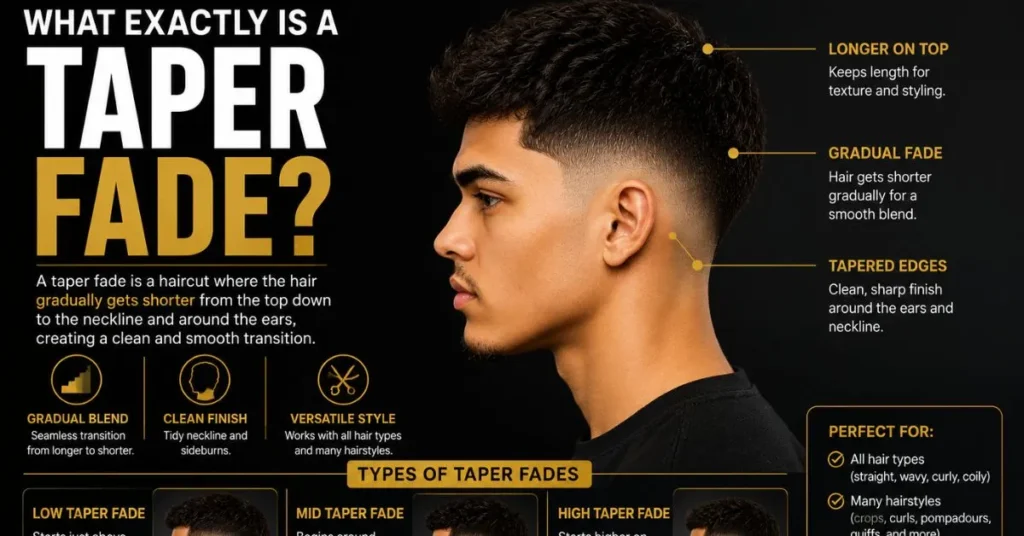
The phrase “taper fade” gets thrown around so often that its meaning has blurred. Walk into ten different barbershops and ask for one, and you may get ten slightly different results. That inconsistency isn’t the barber’s fault it’s a language problem. To understand what a taper fade actually is, you first need to understand what each word means on its own.
A taper refers to a gradual shortening of the hair length as it moves from the crown toward the neckline and sides. The hair doesn’t reach the skin it simply gets progressively shorter. Think of it like a slope rather than a cliff.
A classic taper typically ends around the natural hairline at the back and sides, leaving a clean, low-contrast finish. It’s a traditional barbering technique with roots in formal men’s grooming, and it’s the cut most commonly associated with professional or military styles.
A fade, on the other hand, is more dramatic. It also involves a gradual shortening of the hair, but it continues all the way down to the skin or close to it. This creates a sharp, high-contrast look where the hair appears to dissolve into nothing at the sides and back.
The fade haircut is generally associated with more modern, urban barbering styles and requires significant technical skill to execute cleanly. When you combine the two concepts a gradual taper with the blended finish of a fade you get what most barbers today call a taper fade. It’s the best of both techniques: structured, blended, and versatile.
What “Taper No Fade” Means
The phrase taper no fade is used by clients who want the gradual shortening effect of a taper without the skin being visible at the sides or back. In practical terms, this means the barber stops cutting before the hair reaches a zero guard or bare skin.
The result is softer, lower in contrast, and generally more conservative in appearance. It’s a common request in formal or corporate settings where a sleek, understated look is preferred. If you use the phrase at a barbershop, most experienced barbers will understand it immediately.
Is “Taper Fade” a Real Haircut Style or Just a Buzzword?
Some barbers argue with valid reasoning that the term “taper fade” is technically redundant, because all fades involve tapering. They’re not wrong in a technical sense.
However, language evolves through common usage, and in modern barbering culture, “taper fade” has become a widely accepted term that describes a specific aesthetic: a cut with a moderate gradient that blends smoothly from longer hair on top to shorter or skin-level hair at the sides, without the abrupt cliff-edge of a pure undercut.
Whether it’s technically precise is less important than whether you and your barber understand each other.
Taper vs Fade vs Taper Fade: A Side-by-Side Breakdown
Understanding the difference between taper and fade isn’t just a vocabulary exercise it directly affects how you communicate with your barber and what you walk out looking like. These three terms are related but distinct, and knowing how they differ will save you from sitting in the chair hoping for the best.
A taper haircut ends at the natural hairline. The hair graduates shorter as it reaches the neck and sides, but the skin is never fully exposed. The contrast between the top and sides is subtle. It’s a conservative, timeless choice that suits professional environments and ages well regardless of trends.
In contrast, a fade haircut pushes further the hair blends into the skin, creating that sharp, clean gradient from hair to skin that’s become a signature of modern barbering. The contrast is higher, the look is bolder, and it requires more frequent touch-ups because the fade line becomes visible quickly as hair grows back.
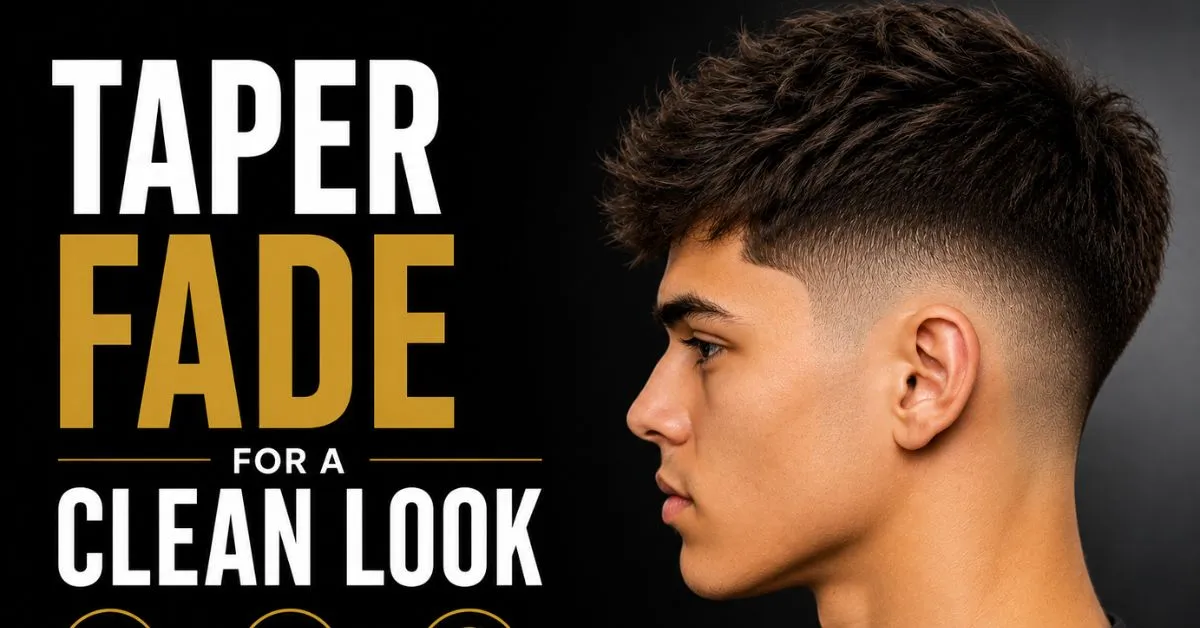
The taper fade sits between these two. It incorporates the structured gradual shortening of a taper with the blended, skin-close finishing of a fade at the bottom. The result is a versatile cut that looks clean and polished without being as stark as a full skin fade.
For this reason, the taper fade haircut has become the default choice for men who want a modern, well-groomed look without committing to either extreme.
Which One Lasts Longer Between Barber Visits?
This is where the practical difference really shows. A taper holds its shape longer because it doesn’t expose the skin hair growing back in at the sides doesn’t disrupt the silhouette as obviously.
A full fade, particularly a skin taper fade, starts showing growth within one to two weeks for men with faster hair growth. The taper fade lands in the middle: expect to return for a touch-up every two to three weeks to keep it looking sharp.
Which Looks More Formal vs Casual?
The formality of a cut depends largely on where the fade ends and how much contrast is involved. A low taper fade where the gradient starts low near the ears and neckline reads as neat and professional.
A high taper fade, where the blending begins closer to the temples and crown, creates a more fashion-forward, eye-catching look. The taper fade’s flexibility is precisely why it has become so dominant: the same base technique can produce results appropriate for a boardroom or a weekend out, depending on the level and styling.
Every Type of Taper Fade Haircut Explained by Level
The taper fade haircut is not one fixed style it’s a spectrum. The level at which the fade begins defines the entire character of the cut. Most barbers break it down into four main levels: low, mid, high, and skin. Understanding each level gives you the vocabulary to get exactly what you want.
What Is a Low Taper Fade Definition and Look
The low taper fade starts just above the natural hairline typically one to two finger-widths above the ear. The blending happens in a narrow band around the bottom of the head, which creates a subtle, understated transition.
This is the most popular taper fade variation because it retains significant length on the sides while still delivering that clean, blended finish. It suits almost every face shape and hair type, and it works equally well in professional and casual settings. What is a low taper fade in practical terms? It’s the most conservative version of the style still sharp, just not aggressive.
Mid Taper Fade Where It Sits and Who It Suits
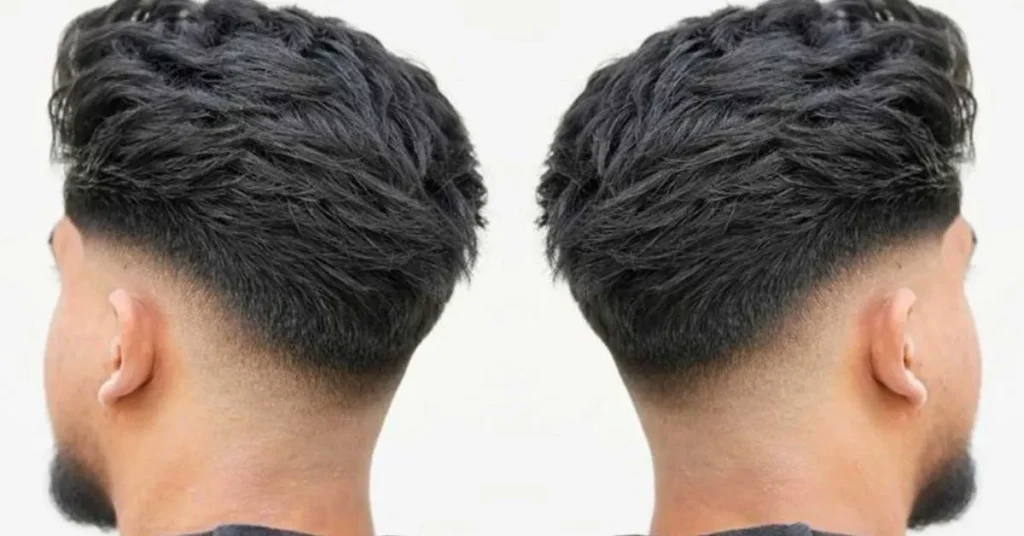
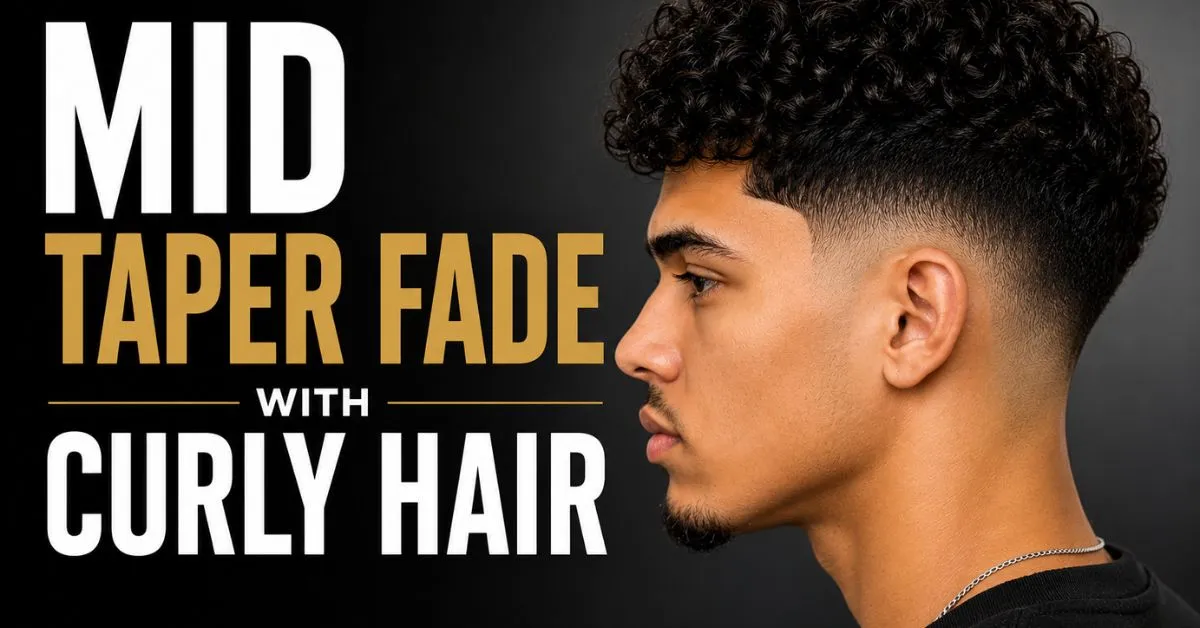
The mid taper fade haircut begins around the temples, roughly at the middle of the sides of the head. It creates a more visible contrast than a low taper while remaining less dramatic than a high fade.
Men with oval or square face shapes tend to benefit most from this level, as the mid-point blending adds visual width without overwhelming the face. It’s also forgiving to style the mid fade works well with textured crops, side parts, and comb-overs.
High Taper Fade Bold, Modern, and High-Contrast
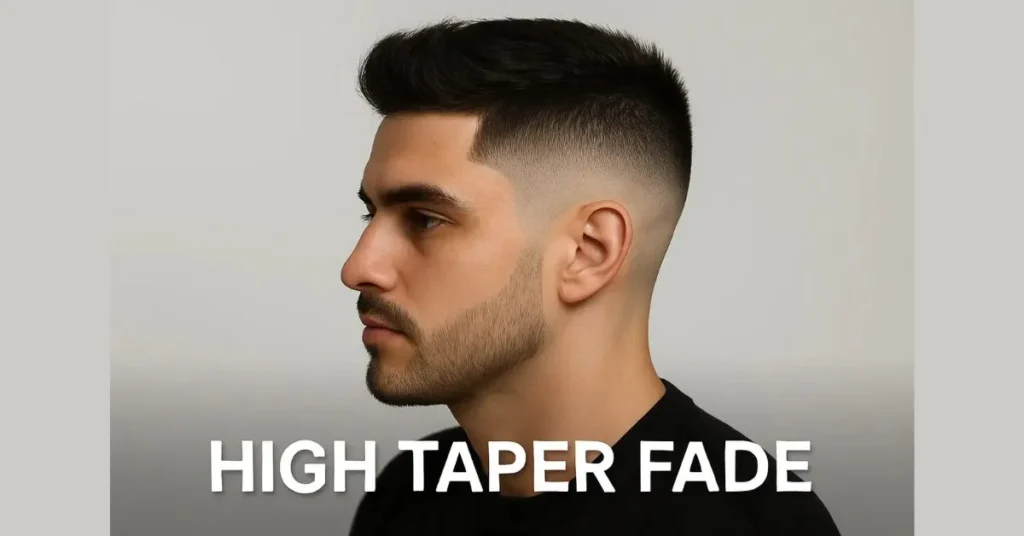
The high taper fade starts close to the temples and moves aggressively toward the crown. The contrast between the short sides and the longer top is maximized, making it one of the most visually striking options available.
It suits men who want a strong, deliberate aesthetic and generally looks best on oval and oblong face shapes. Because it removes so much length from the sides, the top styling becomes the focal point this is the level you’d choose if you’re sporting a pompadour, textured quiff, or high top.
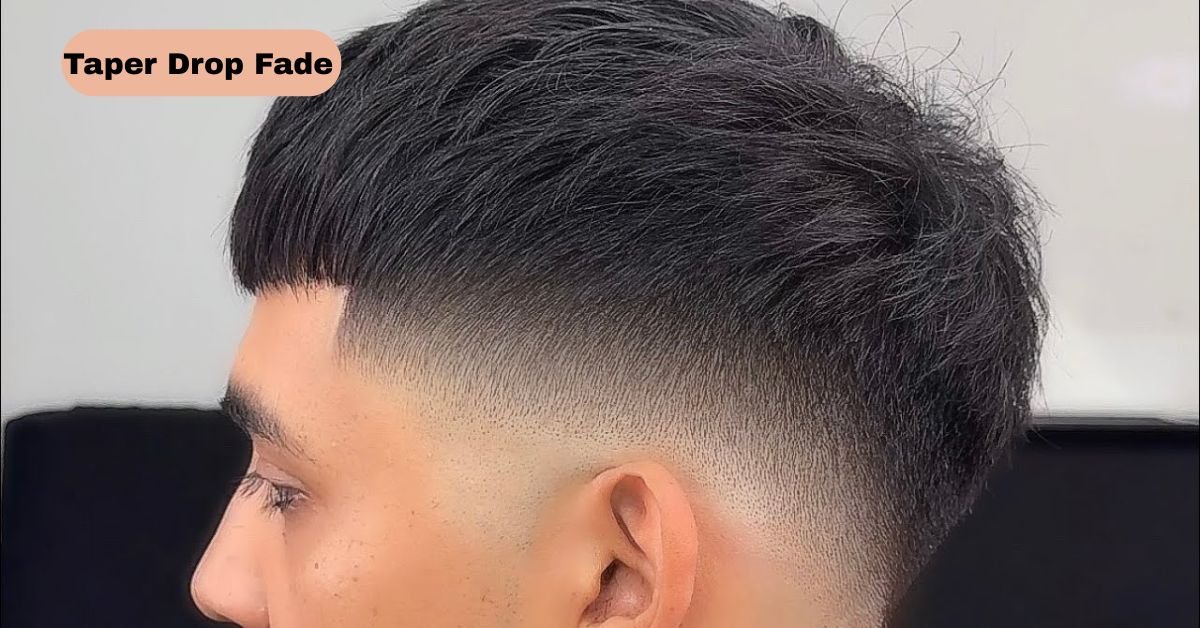
Drop Taper Fade The Curved Silhouette Option
The drop taper fade follows the natural curve of the head, dropping lower behind the ear before rising again. This creates a distinctive arc-shaped fade line that frames the back of the head beautifully. It’s a slightly more technical cut that suits men who want a unique silhouette without going too extreme. Paired with longer styles on top, the drop fade creates a seamless, sculpted look.
Temple Taper Fade Subtle Definition Around the Hairline
The temple taper fade is targeted it focuses the blending specifically around the temple area, cleaning up the hairline without dramatically shortening the sides.
This is often added as a finishing technique to other haircuts rather than being the primary cut itself. Men who want subtle refinement without a full fade find this option useful.
Skin Taper Fade Maximum Contrast Explained
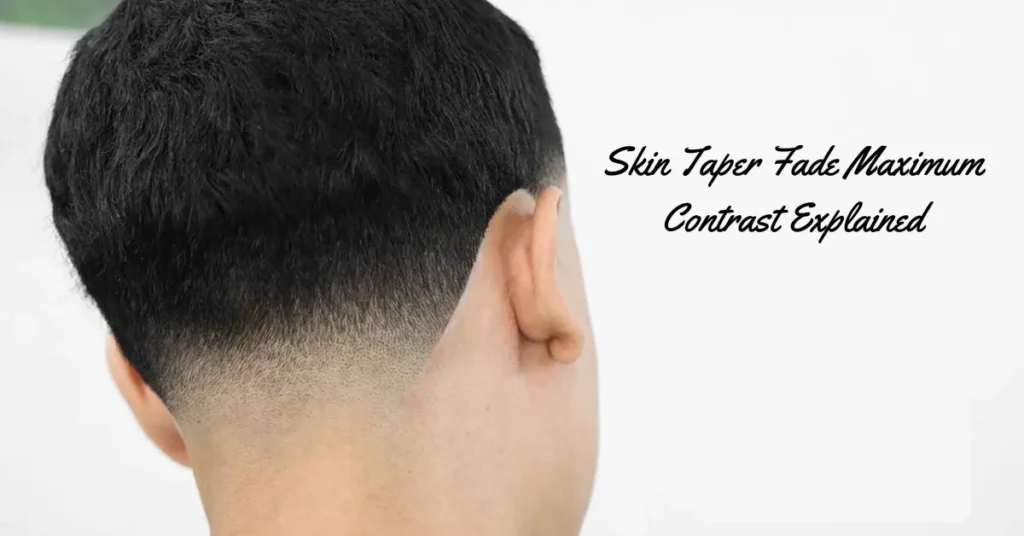
The skin taper fade (also called a bald fade) blends the hair all the way down to bare skin at the base. It requires the most technical precision from the barber and creates the highest contrast of any taper fade level.
Growth becomes visible quickly, so regular maintenance roughly every one to two weeks is essential to keep it looking intentional.
| Fade Level | Starting Point | Contrast Level | Best For |
| Low Taper Fade | Just above hairline | Subtle | Professional, versatile |
| Mid Taper Fade | Temple level | Moderate | Most face shapes |
| High Taper Fade | Near crown | Bold | Fashion-forward styles |
| Drop Taper Fade | Curved arc behind ear | Moderate–High | Unique silhouette |
| Skin Taper Fade | Hairline to skin | Maximum | High-maintenance sharp look |
Taper Fade Styles for Every Hair Type and Texture
One of the taper fade’s greatest strengths is adaptability. The same fundamental technique produces dramatically different results depending on your natural hair texture. Understanding how the cut interacts with your specific hair type helps you choose a style that works with your hair rather than against it.
Taper Fade on Straight Hair
Taper fade for straight hair benefits enormously from clean geometric lines. Straight hair tends to lie flat, which means styles with deliberate structure a hard part, side part, or slick back show up with exceptional clarity.
The fade line is highly visible and precise on straight hair, making it easier for the barber to create sharp definition. The challenge is volume: straight hair can look flat on top. Texture sprays and clays help lift and separate the strands, giving the style dimension without heaviness.
Taper Fade on Wavy Hair
Wavy hair taper fade styles offer a natural middle ground enough body to avoid the flatness that straight hair can suffer from, without the density management challenges of full curly or coily hair. Wavy hair moves and sits naturally in a way that suits textured crops, messy quiffs, and casual brushed-back styles.
The fade underneath provides definition that keeps wavy styles looking intentional rather than unkempt. Sea salt spray is particularly effective here, enhancing the natural wave pattern without making the hair stiff.
Taper Fade on Curly Hair
The taper fade for curly hair often called a curly taper fade is one of the most visually dynamic combinations available. The contrast between the tight, rounded curls on top and the clean fade below creates a natural, eye-catching shape.
Managing shrinkage is key: curly hair appears shorter when dry than when wet, so communication with your barber about desired final length is essential. Styles like the textured crop, curly top with low fade, and Afro with taper fade all work exceptionally well.
Taper Fade on Thick or Coarse Hair
Thick hair carries weight, which can cause the sides to puff outward if not properly tapered. The taper fade removes bulk progressively, controlling the silhouette and preventing the sides from overwhelming the top.
For men with thick, coarse hair, a mid or high taper fade is often the most practical choice it reduces the visual mass and creates a shape that looks deliberately structured. Styling products with stronger hold, like texture clay or pomade, keep thick hair in place throughout the day.
Taper Fade on Fine Hair
Fine hair benefits from a low taper fade more than any other level. A high or skin fade on fine hair can make the head appear overly round or expose the scalp at the sides even before the fade line begins.
A low taper fade maintains enough length on the sides to create the illusion of density while still delivering the clean finish the style is known for. Texture powder applied to dry hair at the roots adds grip and lift without the weight of a heavier product.
Taper Fade on Natural and Afro-Textured Hair
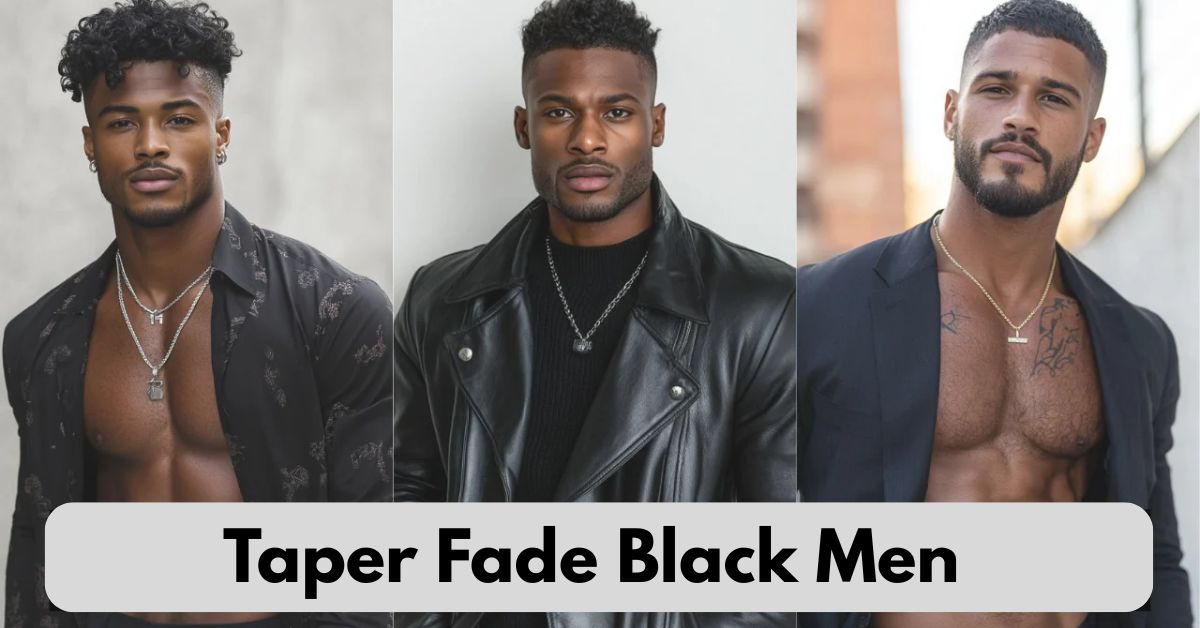
The afro taper fade and related styles including taper fade with dreadlocks, taper fade with twists, and taper fade for black men showcase just how versatile this cut truly is. Natural hair has a structural quality that allows the taper fade to frame and elevate the shape on top dramatically.
The contrast between a full, rounded Afro or defined coils and a clean fade at the base is striking. Barbers who specialize in natural hair textures can execute these transitions with extraordinary precision, and the results are some of the most distinctive men’s hairstyles available.
15+ Taper Fade Haircut Styles Worth Bookmarking
With the foundational knowledge of levels and hair types covered, the real creative possibilities open up. Here are the most popular and stylistically significant taper fade haircut ideas across all hair types and personal aesthetics.
Classic Crew Cut with a Clean Taper Fade
The crew cut is one of the most enduring men’s haircuts, and adding a taper fade modernizes it without losing its clean-cut character. The hair on top is cut short and uniform, graduating slightly longer toward the front hairline. The taper fade keeps the sides and back neat without going to skin. This is a classic taper fade combination professional, low-maintenance, and universally flattering.
Textured Crop with Low Taper Fade
The textured crop taper fade has dominated modern barbering for several years for good reason. The top is cut short and choppy, creating natural texture and movement, while the low taper fade keeps the profile sharp and structured. A small amount of texture clay or matte paste is all the styling product you need. It suits straight, wavy, and slightly curly hair equally well.
French Crop and Taper Fade Combination
The French crop pairs a blunt fringe across the forehead with short, layered texture on top and a taper fade on the sides. It’s a modern taper fade style that works particularly well for men with round or square faces because the horizontal fringe line breaks up vertical proportions. The look is deliberate and fashion-aware without being high-maintenance.
Slick Back with Taper Faded Sides
The slick back taper fade is one of the most refined options available. The hair on top is grown long enough to pull back cleanly, then styled back with pomade or a strong styling cream. The taper fade on the sides creates a sharp visual boundary that makes the slick back look intentional and polished. It works best on straight or slightly wavy hair with enough length typically three to five inches on top.
Modern Pompadour over a Taper Fade
The pompadour has been reinterpreted repeatedly, but its combination with a taper fade remains consistently strong. The hair is built up and back at the front, creating volume and height, while the taper fade haircut on the sides provides the contrast that makes the elevated top section pop. A mid to high taper works best here the more contrast between top and sides, the more dramatic the overall effect.
Comb Over with a Sharp Taper Fade
The comb over taper fade is a structured, mature style that bridges classic barbering and contemporary grooming. The hair is combed to one side with a defined part sometimes cut in as a hard part and the taper fade on the opposite side reinforces the directional movement. It suits men with oval, heart, or square face shapes, and it transitions easily from casual to professional settings.
Side Part with Low Taper Fade
A natural side part combined with a low taper fade is one of the cleanest, most professional-looking combinations available. The part creates asymmetry and visual interest at the top while the low fade keeps the overall silhouette conservative. Unlike the comb over, the side part doesn’t require a hard line cut into the scalp the division happens through combing and styling alone. This is an excellent choice for formal environments or men who prefer a neat, restrained look.
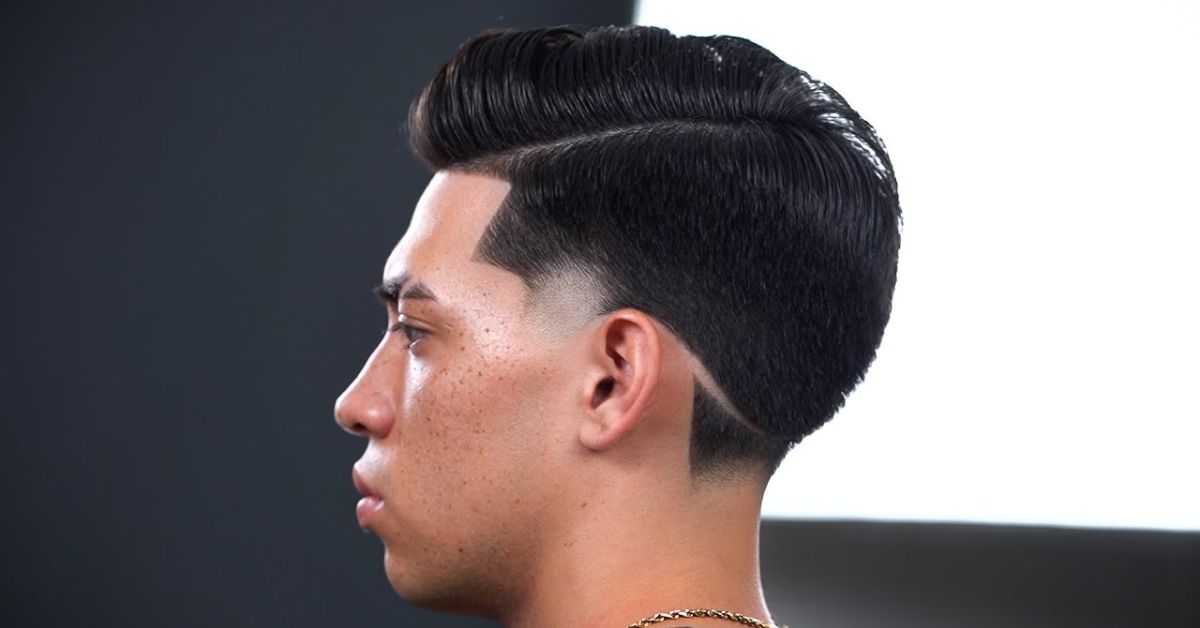
Hard Part Cut into a Taper Fade
The hard part taper fade takes the side part to a more deliberate extreme. The barber uses a clipper or razor to cut a thin, precise line into the scalp, creating a strong visual division between the styled top and the faded sides. The result looks architectural sharp, intentional, and commanding. It works on most hair types but is most dramatic on straight or lightly wavy hair where the part line remains clearly visible after styling.
Brush Up Style with Taper Faded Sides
The brush up is exactly what it sounds like: the hair on top is styled upward and slightly forward, creating a textured, vertical silhouette. Paired with a taper fade, the brushed-up top looks deliberate and modern. It suits men with thicker hair that holds its position naturally, though a strong clay or fiber product can achieve the same effect on finer hair.
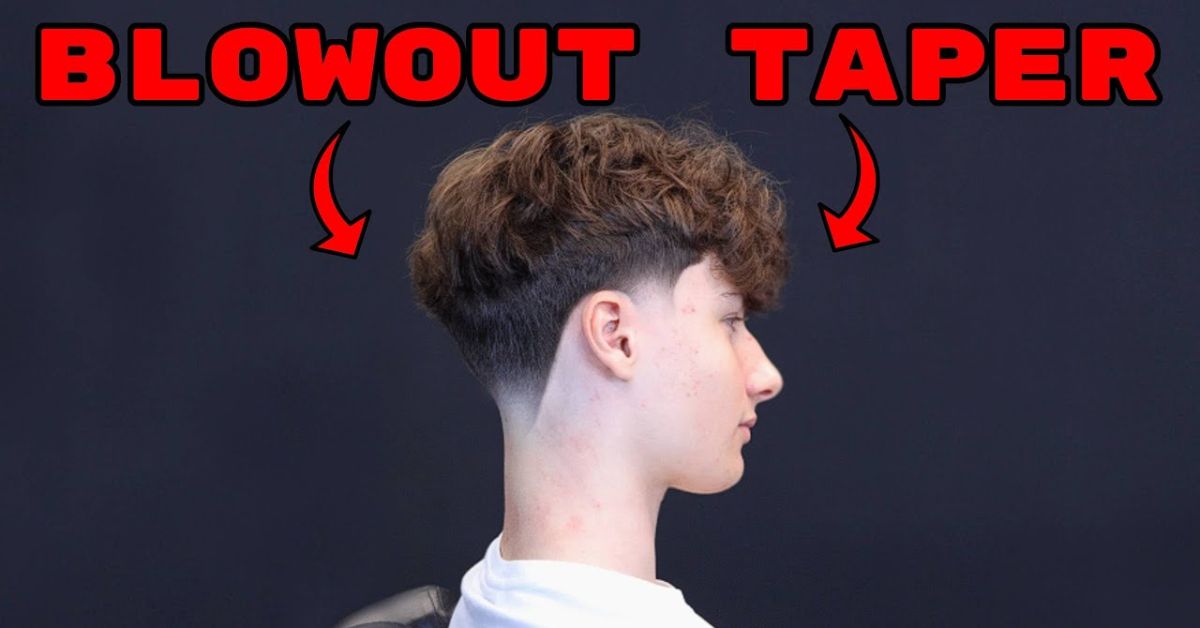
Blowout Hairstyle with a Low Taper Fade
The low taper fade blowout style features a voluminous, rounded top that graduates from shorter lengths at the crown outward creating an expanded, almost halo-like silhouette when viewed from the front. It’s particularly popular among men with natural curl patterns or wavy hair, as the blowout technique lifts and separates strands for maximum fullness. The low taper keeps the foundation clean while the voluminous top takes center stage.
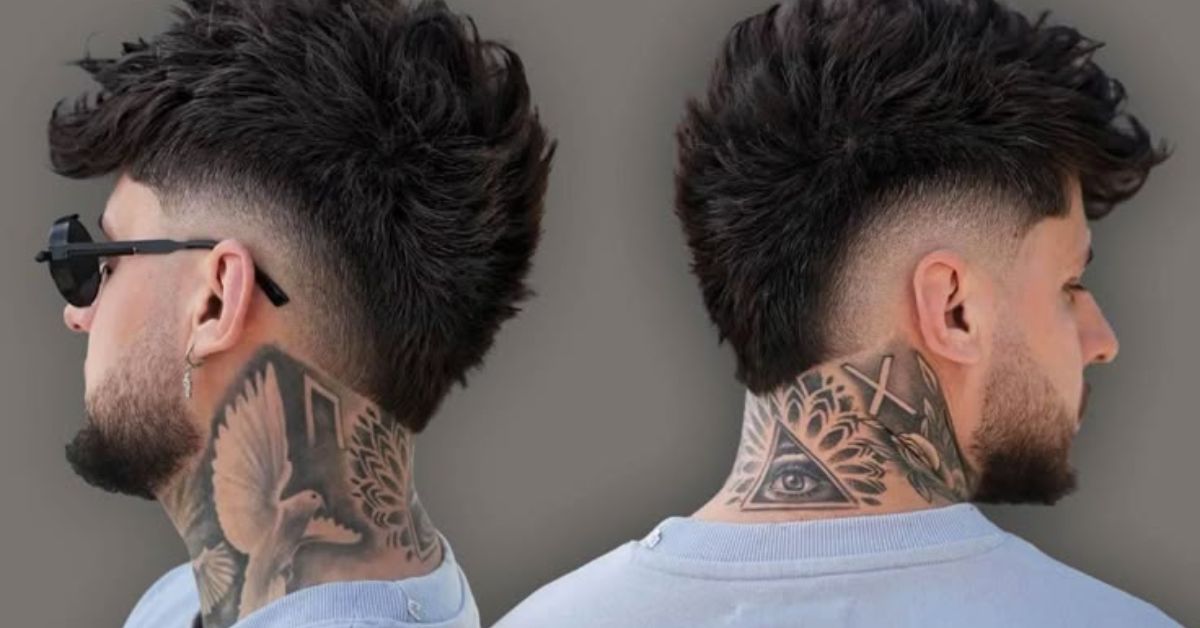
Mullet Revival with a Taper Fade
The taper fade mullet is one of the most divisive but undeniably popular modern styles. Long at the back, short on the sides with a taper fade, and varying lengths on top the modern mullet reclaims the silhouette of its predecessor but with significantly more technical refinement. The taper fade replaces the harsh disconnected sides of the original, making the transition from short to long far more sophisticated.
Perm on Top with a Clean Taper Fade
Men with straight hair who want the texture and movement of curls without permanent chemical commitment sometimes opt for a modern perm. A taper fade with a permed top creates enormous visual contrast tight, defined curls sitting over a clean, skin-close fade. When executed well, it’s one of the most striking styles available. Maintenance involves curl-specific moisturizing products and careful drying to preserve the perm’s integrity.
Buzz Cut with a Subtle Taper Fade
The taper fade buzz cut is minimalism at its most refined. The entire head is cut short with clippers, but instead of a uniform guard size throughout, the sides and back taper slightly shorter, creating a subtle gradient that elevates the buzz cut from a utilitarian choice to a considered style. It suits virtually every face shape and requires almost no styling beyond clean upkeep.
Afro Shaped Over a Low Taper Fade
The afro taper fade is a celebration of natural hair texture. The afro is shaped and picked to a uniform, rounded silhouette on top while the low taper fade carves out a clean boundary around the perimeter. The result is bold, geometric, and deeply expressive. This style works best when the afro is properly moisturized and shaped regularly to maintain its form between barbershop visits.
Taper Fade with Dreadlocks
Locs and a taper fade create a striking visual contrast between the structured, skin-close sides and the free-flowing locs on top. This combination has grown significantly in popularity because it provides the definition and cleanliness of a maintained fade while allowing full expression of natural loc culture. The barber must be experienced with both fading techniques and loc maintenance to execute this well.
Taper Fade with a Defined Beard Blend
When taper fade with beard styling is done correctly, the fade at the sides connects seamlessly into the beard, creating a continuous, unbroken line from the top of the head down to the chin. This technique sometimes called a beard fade requires the barber to use the same gradient principles across a larger surface area. The result looks exceptionally polished and intentional.
Edgar Cut with a Taper Fade
The taper fade Edgar is characterized by a blunt, horizontal fringe cut straight across the forehead similar to the French crop but more severe combined with a taper fade on the sides. The hard horizontal line at the top and the clean fade below create a geometric, modern aesthetic. It’s particularly popular among men with straight hair who want a structured, contemporary style.
Choosing the Right Taper Fade for Your Face Shape
No haircut exists in isolation the way it frames your face matters enormously. Choosing the right taper fade style involves considering your natural face shape and how the level and styling of the cut either complement or counteract your proportions.
Oval faces
Oval faces are the most versatile almost any taper fade level works well. The proportions of an oval face are naturally balanced, meaning neither a low nor a high taper will throw the face out of harmony. Consider this the green light to experiment with bolder levels and styles.
Round faces
Round faces benefit from height and reduced width. A mid to high taper fade removes volume from the sides, visually slimming the face, while styles that add height on top like a pompadour, brush up, or high top elongate the overall proportions. Avoid very low fades that leave significant length on the sides, as this can emphasize the roundness.
Square faces
Square faces have strong, angular jawlines. A low taper fade is often the better choice here because it softens the visual contrast at the sides rather than amplifying the squareness. Styles with some natural texture or movement on top like a textured crop or messy quiff complement the jaw’s geometry without overpowering it.
Oblong or rectangular faces
Oblong or rectangular faces are already elongated, so adding significant height on top can push proportions too far. A low to mid taper fade with minimal height styling a comb over, side part, or textured crop swept to one side works best, as it maintains width at the sides and keeps the face visually balanced.
Heart-shaped faces
Heart-shaped faces feature a wider forehead and narrower chin. A low taper fade that retains some length at the sides helps balance the narrower lower half of the face. Fringe styles French crop, Edgar cut also help redistribute visual weight downward.
Diamond faces
Diamond faces have narrower foreheads and chins with wider cheekbones. A mid taper fade that adds width at the forehead level while cleaning up the sides works well. Styles with a bit of volume at the temples visually widen the upper face and soften the cheekbone’s dominance.
How to Tell Your Barber Exactly What You Want
Knowing the style you want is only half the challenge. Communicating it clearly to your barber is the other half and it’s where most men fall short. Vague requests lead to unexpected results. Specific language leads to exactly what you had in mind.
The Barber Vocabulary You Need Before the Chair
Before your appointment, familiarize yourself with a few essential terms. Clipper guard numbers refer to how much hair is left after cutting: a guard zero (or no guard) cuts to skin, a guard one leaves about 3mm of hair, and numbers increase from there in 3mm increments roughly.
When asking for a taper fade, specifying the guard number at the top of the fade and the guard number at the bottom gives your barber a precise technical brief. For example: “fade from a one at the bottom to a four at the top of the sides” is far more useful than “short on the sides.”
A Word-for-Word Script to Describe Your Taper Fade
If you’re unsure where to start, here’s a practical template you can adapt:
“I’d like a taper fade low, starting just above my natural hairline. Keep the sides around a three or four guard, blending down to skin at the very bottom. On top, leave about [your desired length] I want to style it [slicked back / textured / left natural]. Can you keep the neckline clean and squared up?”
This script covers four key pieces of information: the level of the fade, the guard numbers, the desired top length, and the neckline finish. Those four points are everything a skilled barber needs to work from.
How to Specify the Level and Guard Length
The level (low, mid, high) tells the barber where the fade begins. The guard numbers tell the barber how much contrast to create. A tight fade uses a sharp drop from a high guard to skin over a small area. A softer fade uses a more gradual progression across a larger area. Knowing which you prefer tight and high-contrast vs gradual and subtle and saying so will dramatically improve the result.
Reference Photos What to Show and What to Avoid
A photo is worth considerably more than a description in a barbershop. Choose a reference image that shows the style from multiple angles front, side, and back on someone with a similar hair type to yours.
Avoid using images from dramatically different hair textures as references, as they can create unrealistic expectations. Be prepared for your barber to tell you what’s achievable based on your current hair length and texture.
Common Miscommunications Between Clients and Barbers
The most frequent source of disappointment is the word “short.” Short means something different to everyone. Similarly, “leave it long on top” is subjective. Always combine directional adjectives with approximate lengths (inches or centimeters) or guard numbers.
Another common issue is forgetting to specify the neckline: a squared neckline is clean and sharp, while a tapered neckline follows the natural growth pattern for a softer finish.
How to Maintain a Taper Fade Between Appointments
Getting the perfect taper fade haircut is one thing. Keeping it looking sharp between visits is another. Maintenance determines how long your investment at the barbershop actually looks intentional.
How Fast Does a Taper Fade Grow Out?
Hair grows at an average rate of approximately 1.25 centimeters per month, though this varies significantly between individuals. For a taper fade, even 5–7mm of new growth at the sides can start to blur the clean gradient that defines the style.
A skin taper fade shows regrowth most quickly because there’s no hair at all at the base any growth is immediately visible. A low taper fade, by contrast, has more margin because the sides already carry some length.
The Ideal Touch-Up Frequency Based on Hair Growth Rate
For most men, a taper fade needs a touch-up every two to three weeks to stay sharp. Men with faster hair growth may need to return every week for a skin fade.
If budget or time is a constraint, a mid or low taper fade is the more practical choice the softer gradient tolerates growth better and stays presentable for longer.
How a Taper Fade Grows Out Gracefully
Not every week is a barbershop week. When the sides start to grow in, how you manage the transition matters. Keeping the top well-styled draws attention upward and away from the sides. Moisturizing the hair and scalp regularly prevents the skin at the base of a skin fade from looking dry or flaky, which would make the regrowth even more obvious.
Some men use a trimmer to clean up the very bottom edge at home this is reasonably safe at the neckline, but attempting to replicate the full fade at home without professional training risks uneven results.
Daily Upkeep Routine to Keep the Style Looking Fresh
A clean taper fade is maintained as much through daily habits as through barbershop visits. Washing the hair two to three times per week (or daily if your hair is oily) keeps the scalp healthy and prevents product buildup that can make the sides look dull.
Moisturizing the skin at the fade line prevents irritation and flaking. Styling the top consistently rather than letting it air-dry without product keeps the overall shape looking intentional.
Scalp Care Tips That Make Your Fade Look Sharper for Longer
This point is overlooked in most grooming guides: scalp health directly affects how a fade looks. Dry, flaky skin at the temples or neckline creates visible contrast that competes with the intentional gradient of the fade.
A lightweight scalp moisturizer or a few drops of jojoba oil massaged into the skin at the base of the fade especially after washing keeps the skin smooth and the transition looking clean.
Best Products to Style a Taper Fade for Any Look
The right product transforms a fresh taper fade from a good haircut into a complete style. The wrong product too heavy for fine hair, or too weak for thick coarse hair can undermine even the cleanest barbershop work. Here’s what each product category does and when to use it.
Pomade High Shine, Strong Hold for Slick Styles
Pomade is the classic choice for slick backs, comb overs, and side parts. It delivers strong hold with a high-gloss finish that keeps hair in place without making it look stiff or crunchy.
Water-based pomades are easier to wash out than oil-based versions and are the better choice for daily use. Oil-based pomades offer a stronger, more lasting hold but require more effort to remove at the end of the day.
Texture Clay Matte Finish and Natural Definition
Texture clay is the most versatile modern styling product. It provides moderate to strong hold with a matte or low-sheen finish, making the hair look naturally defined rather than heavily styled.
It works particularly well with textured crops, French crops, and messy styles where the goal is controlled dishevelment rather than sleekness. Apply it to towel-dried hair for maximum definition, or use a small amount on dry hair to refresh a style later in the day.
Sea Salt Spray Effortless Waves and Lived-In Texture
Sea salt spray is designed for wavy and lightly curly hair. It enhances the natural movement and texture of the hair, creating a beach-like, lived-in finish without significant hold.
Spray it onto damp hair and scrunch upward to encourage waves, or mist it over dry hair to add grit and separation to a textured style. It’s not ideal for straight hair the lack of natural wave pattern means the spray adds little definition.
Styling Cream Lightweight Control for Curly and Natural Hair
Styling cream is the gentlest option in the lineup. It provides light to moderate hold with a natural finish and crucially adds moisture to the hair as it styles. This makes it the best choice for curly, coily, and natural hair types that need hydration as much as definition. It’s also effective for men with fine hair who find heavier products weigh down their style.
Texture Powder Volume and Grip for Fine Hair
Texture powder is a secret weapon for men with fine or flat hair. Applied to the roots on dry hair, it absorbs oil, adds grip, and lifts the hair at the base creating volume that finer hair can’t achieve with conventional styling products alone. Use it sparingly: a little goes a long way, and too much creates a chalky residue that looks unnatural.
How to Apply Each Product Based on Your Taper Fade Style
As a general principle: apply products to damp hair for stronger hold and more defined results, or to dry hair for a lighter, more flexible finish. Always start with less than you think you need and build up removing product from dry hair without rewashing is far more difficult than adding more. Work the product through the top of the hair first, then use the residue on your palms to smooth down the sides of the fade.
How Much Does a Taper Fade Cost?
The taper fade haircut cost varies considerably depending on the barbershop’s reputation, location, and the complexity of the cut. As a broad global benchmark, a standard taper fade typically ranges between the equivalent of $15 and $50.
In major cities, specialist barbershops in premium areas can charge significantly more sometimes $60 to $100 for a complete cut and beard service combined. Independent barbers in smaller towns or neighborhoods tend to offer the same technical quality at more accessible prices.
What Affects the Final Price
Several factors push the price upward. Additional services like a beard blend, a design cut into the fade, or a hot towel finish each add to the total. The experience level of the barber matters too a senior barber with a strong portfolio and a long client waitlist commands a premium that reflects their skill. The complexity of the style also plays a role: a basic low taper fade takes considerably less time than a skin fade with a hard part and beard blend.
Barbershop vs Salon Is There a Quality Difference?
For taper fades specifically, barbershops generally produce superior results. Barbering and hairdressing are distinct disciplines, and the clipper precision required for a clean fade is a skill that barbershops train in specifically.
That said, many modern salons employ barber-trained stylists who are fully capable of executing an excellent taper fade. The best approach is to look at a stylist’s portfolio their work speaks far more clearly than their job title.
How to Get the Most Value from Each Appointment
Book consistently with the same barber when possible. A barber who already knows your hair growth pattern, natural hairline, and style preferences will produce better results in less time. Tipping appropriately builds the professional relationship and ensures you’re treated as a valued client. Before the appointment ends, take photos of the finished style from multiple angles these serve as your personal reference for the next visit.
Frequently Asked Questions
What is a taper fade, exactly?
A taper fade is a haircut technique where the hair on the sides and back gradually shortens from the top of the sides down toward the neckline, blending into the skin (or close to it) at the base.
It combines the traditional tapering technique gradual shortening with the modern fade finish, where the hair transitions to skin-level at the very bottom. The result is a structured, versatile cut that suits most hair types and face shapes.
What is the difference between a taper and a fade?
The key distinction is where the hair ends. A taper stops short of the skin the hair gets shorter as it approaches the neckline but always remains visible. A fade continues to the skin, creating a high-contrast transition from hair to bare skin.
A taper fade combines both techniques: the gradual shortening of a taper with the skin-level finish of a fade at the very base. The taper vs fade distinction matters most when communicating with your barber, as the two terms imply different levels of contrast and finish.
What is a low taper fade, and how is it different from other levels?
A low taper fade begins just above the natural hairline typically one to two finger-widths above the ear. The blending happens in a narrow band near the bottom of the sides and back. In comparison, a mid taper starts at the temples, and a high taper begins near the crown.
The low version is the subtlest and most conservative option, which makes it the most popular choice for everyday wear and professional environments. It suits almost every face shape and works on all hair textures.
How often should you get a taper fade touched up?
Most men need a touch-up every two to three weeks to keep a taper fade looking sharp. This timeline shortens for men with faster hair growth or those with a skin fade, where even a week’s worth of growth becomes visually obvious.
A low taper fade generally holds its shape longest between visits because it has more margin for growth before the gradient becomes muddied. If regular appointments aren’t feasible, a low or mid taper fade is the more practical choice.
How do I ask my barber for a taper fade?
Be specific about four things: the level (low, mid, or high), the guard numbers on the sides, your desired top length, and the neckline finish. For example: “I’d like a low taper fade blend from skin at the bottom up to a three or four guard at the top of the sides.
Leave about two inches on top for texture. Square up the neckline.” If you have a reference photo showing a similar hair type, bring it. The clearer your brief, the better the result.
Can a taper fade work on all hair types?
Yes the taper fade is one of the most universally adaptable haircuts available. The technique works on straight, wavy, curly, coily, and natural hair, though the aesthetic result differs significantly between textures.
Straight hair tends to show the fade line with the greatest precision. Curly and coily hair creates more visual drama through the contrast between tight texture on top and the clean fade below. The key is working with a barber who has experience with your specific hair type.
Conclusion
The taper fade has remained a cornerstone of men’s grooming for decades because it solves a fundamental challenge: how to make a haircut look both polished and personal. By understanding the difference between a taper, a fade, and a taper fade, you can walk into any barbershop with confidence and come out with exactly what you wanted.
The level low, mid, high, or skin shapes everything from how formal the cut looks to how often you’ll need a touch-up. The style on top is where your personality enters: from a clean crew cut to a textured crop, an Afro, or locs, the taper fade serves as the foundation that makes the top styling pop.
Your next step is straightforward. Decide on the level that matches your lifestyle and face shape, choose a top style that suits your hair texture, and book with a skilled barber who can see your reference photo. Use the barber script in this guide to communicate clearly, take photos of the result you love, and return for a touch-up every two to three weeks. A well-maintained taper fade is one of the most consistently sharp looks in men’s grooming and now you have everything you need to get it right.