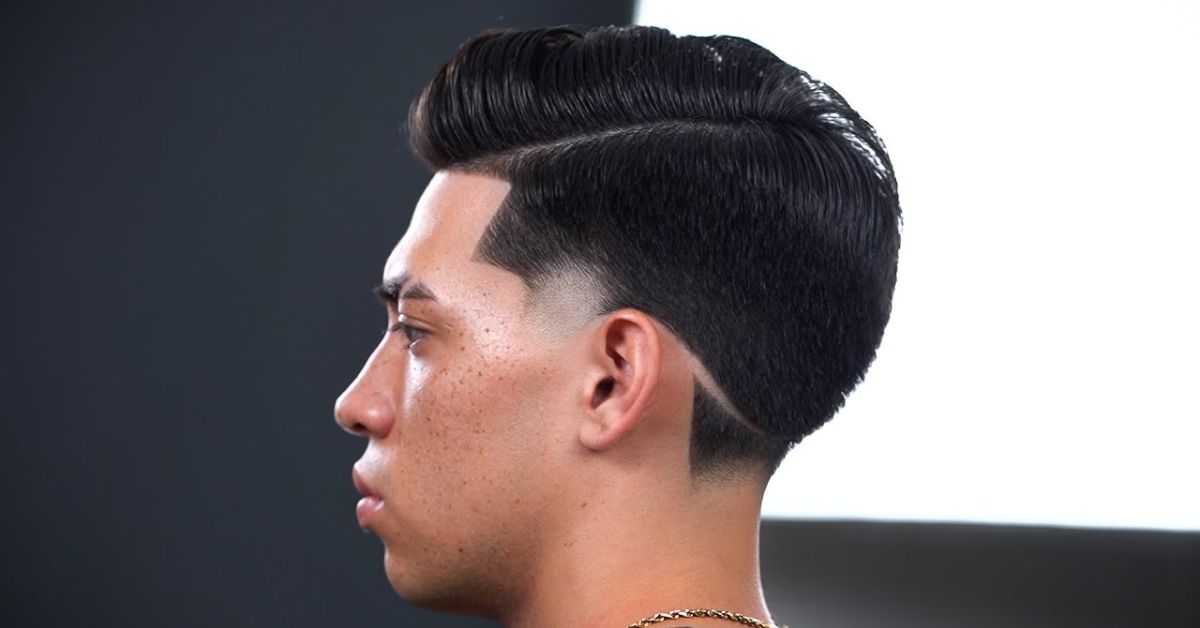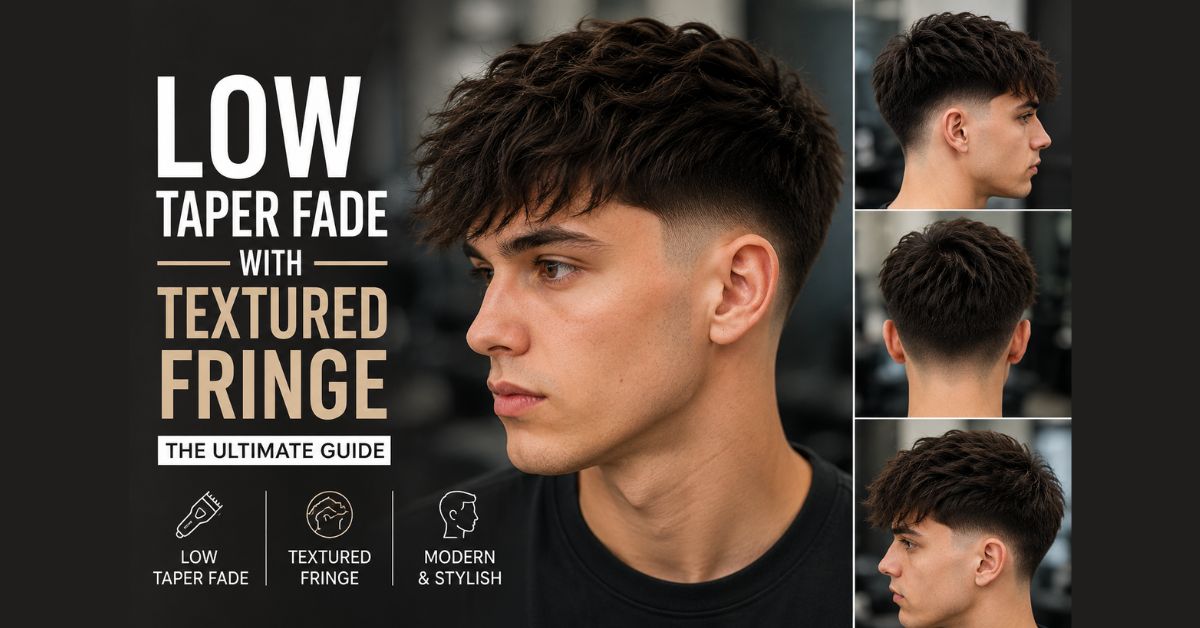
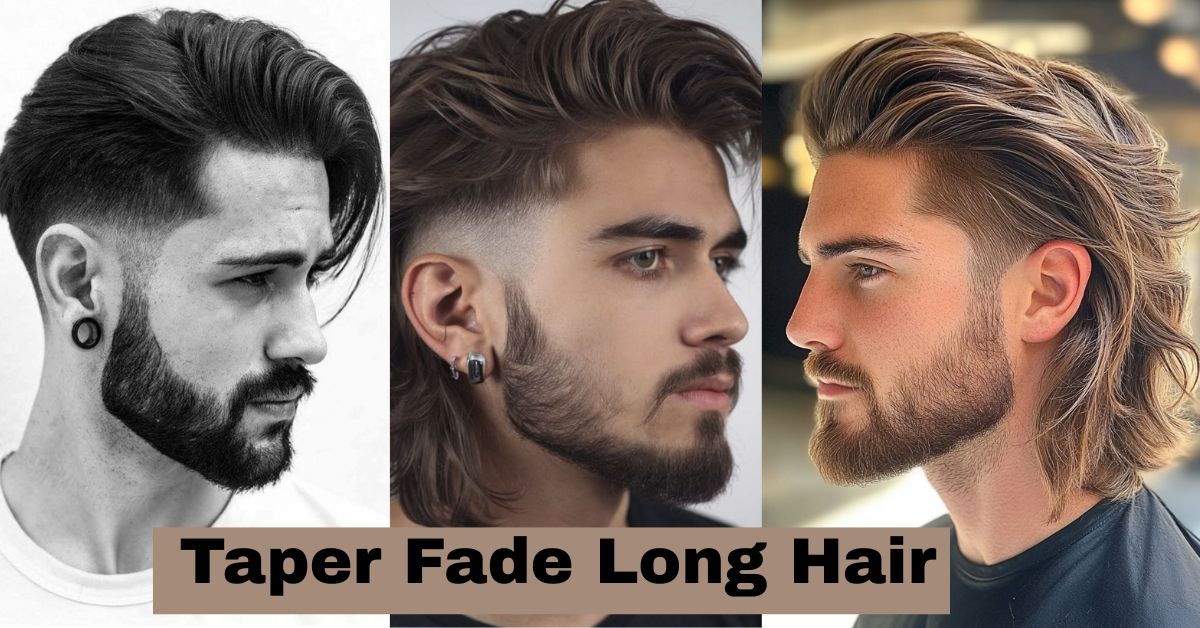
Taper Fade Long Hair The Complete Style, Growth & Maintenance Guide
A taper fade long hair cut gives you the best of both worlds. You keep length and texture on top while the sides and back stay clean, sharp, and low-maintenance. It’s the style you see on athletes walking into press conferences, on creatives who don’t want to choose between “professional” and “expressive,” and on anyone who’s tired of a haircut that looks the same every single day.
This guide walks through everything you need to know from how the cut actually works, to growing it out, to keeping it looking sharp between barber visits.
What Is a Taper Fade Long Hair Style?
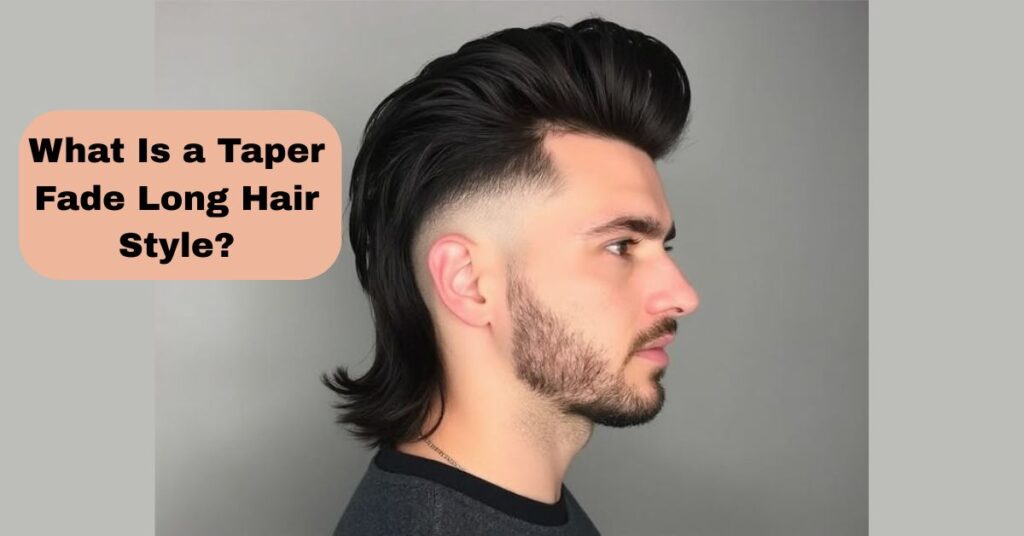
A taper fade long hair style combines a gradual fade on the sides and back with noticeably longer hair left on top often two inches or more, sometimes reaching shoulder length. The fade does the heavy lifting structurally: it removes bulk around the ears, neckline, and temples so the head looks tidy from every angle. The long top is where the personality lives. You can brush it back, let it fall forward, tie it up, or leave it loose and textured.
What separates this from a standard long hair taper fade cut you might see in a barbershop photo is intention. The fade isn’t just short sides it’s a controlled gradient, usually moving from skin or near-skin at the bottom up to a longer, blended length near the crown. That gradient is what makes long hair on top look deliberate rather than overgrown. Without it, long hair just reads as “needs a haircut.” With it, the same length reads as a styled, current look.
This combination has become one of the most requested cuts globally because it works across hair types and lifestyles. A software engineer, a musician, and a university student can all wear a taper fade long hair style and have it look completely different on each of them that adaptability is a big part of the appeal.
Search interest in men’s long hair taper fade cuts has climbed steadily over the past few years, and barbers report the same trend from behind the chair: more clients are asking to grow the top out rather than keep a uniform short length everywhere. Part of that shift is cultural long hairstyles for men have moved from niche to mainstream and part of it is practical, since a fade lets someone experiment with length without sacrificing a clean, groomed appearance.
If you’ve been considering a taper fade hairstyle for long hair but weren’t sure it would suit you, the honest answer is that it works across far more face shapes, hair textures, and lifestyles than people assume.
Taper vs. Fade vs. Taper Fade What Changes When Your Hair Is Long on Top
A taper is a gradual, subtle shortening of hair as you move down toward the neckline and ears. It never goes down to skin it simply blends length so there’s no harsh line. A fade, in contrast, goes further.
It typically drops to skin or very close to it at some point, creating a much more dramatic contrast between short and long sections. A taper fade blends both ideas: it uses fade-level contrast down low, then softens into a taper as it climbs toward the top.
When your hair on top is long, this distinction matters more than it does with a short crop. A pure taper against long hair can look unfinished, since there’s less contrast to frame the length.
A fade, especially a low or mid fade, gives the long top a clear visual “shelf” to sit on the eye reads short-to-long as an intentional style choice rather than an accident. This is one reason barbers often recommend at least a low or mid fade, rather than a soft taper alone, when a client wants serious length up top.
This is also where the terms “fade haircut” and “taper haircut with long hair” get confused online. A fade haircut on its own says nothing about the top it could pair with a buzzed crown just as easily as a long one.
A taper fade long hair cut specifically pairs the short-side treatment with deliberate length retention above, which is why being precise with terminology matters when you’re searching for reference photos or explaining the cut to a barber who hasn’t seen you before.
Why a Taper Fade Works So Well with Long Hair on Top
The main advantage is contrast management. Long hair carries visual weight it can make a head look larger, heavier, or less structured, especially with thick or curly textures. A fade on the sides removes that weight exactly where you don’t want it, which balances out the volume on top. The result is a silhouette that looks proportioned instead of overwhelming.
There’s also a practical grooming benefit. Long hair alone needs regular trims to avoid split ends and shapelessness, but a taper fade long hair cut only needs the sides maintained every two to three weeks while the top can grow largely undisturbed for months. You get the low-effort upkeep of a fade combined with the styling flexibility of longer hair brushed back one day, textured and messy the next, tied up on a third.
Finally, this cut photographs and reads well across professional and casual settings. Genuine experience from barbers who work with corporate clients and creative clients side by side shows the same pattern: a tight fade signals “put together” even when the top is long enough to tie back, which is why it’s become common in industries where personal style matters but grooming standards still apply.
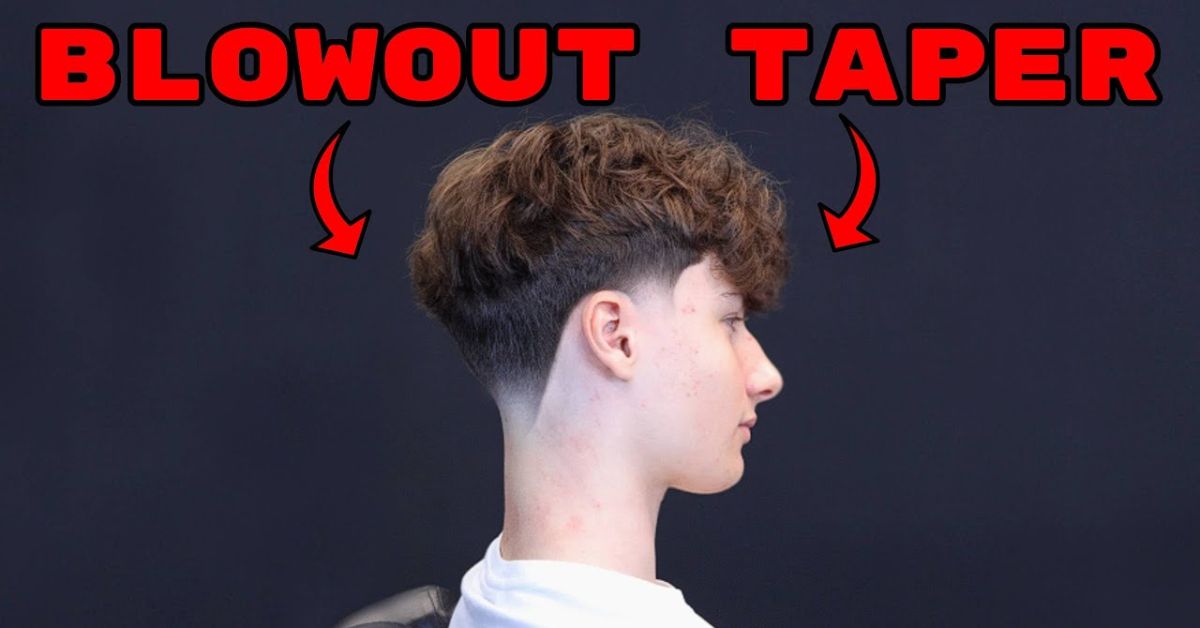
There’s a texture argument too, and it applies whether you have straight, wavy, or curly hair. A textured long hair taper fade uses the fade to define an edge, then lets the natural movement of the hair on top do the rest of the work.
You don’t need heavy styling to make it look finished the haircut itself is doing most of the job, which is part of why this has become such a popular low-effort, high-reward option for men who don’t want a lengthy morning routine.
Best Taper Fade Long Hair Styles to Try
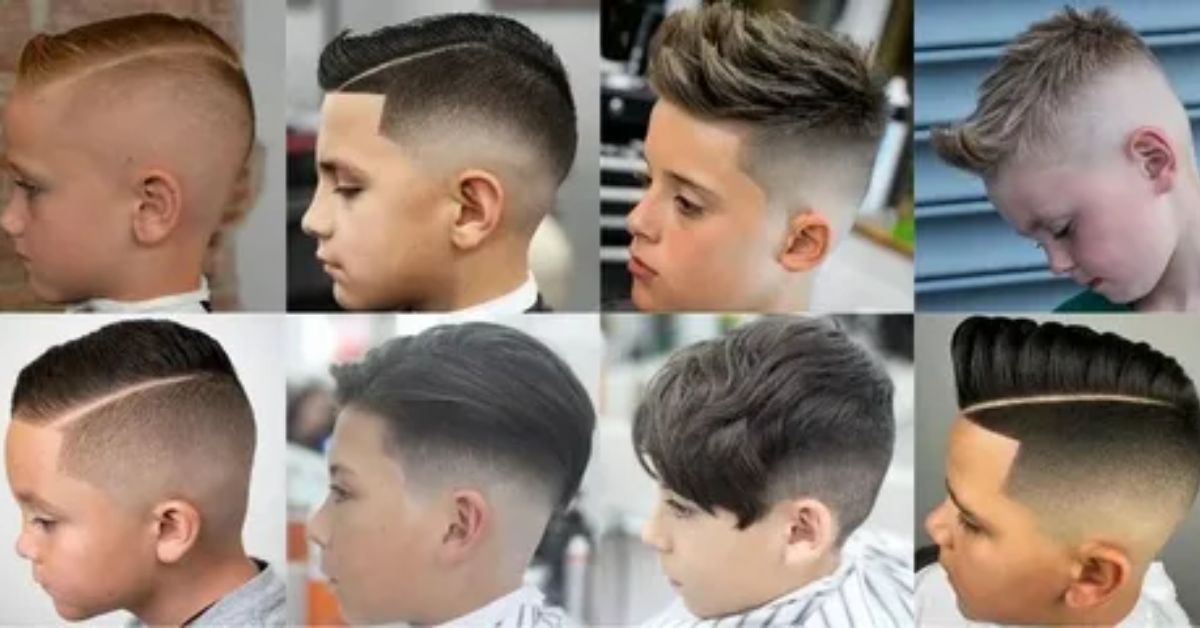
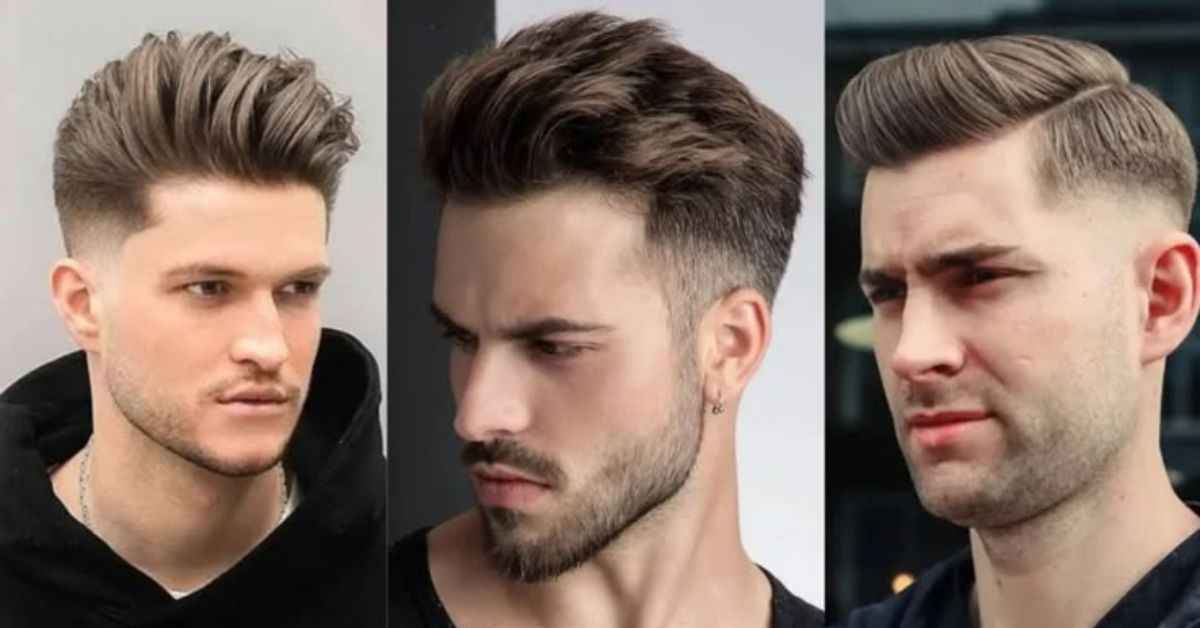
There isn’t one single “taper fade long hair” look it’s a category with real range depending on fade height, hair texture, and how you style the top. Below are the variations worth knowing, whether you’re picking a reference photo for your next barber visit or trying to figure out what you already have.
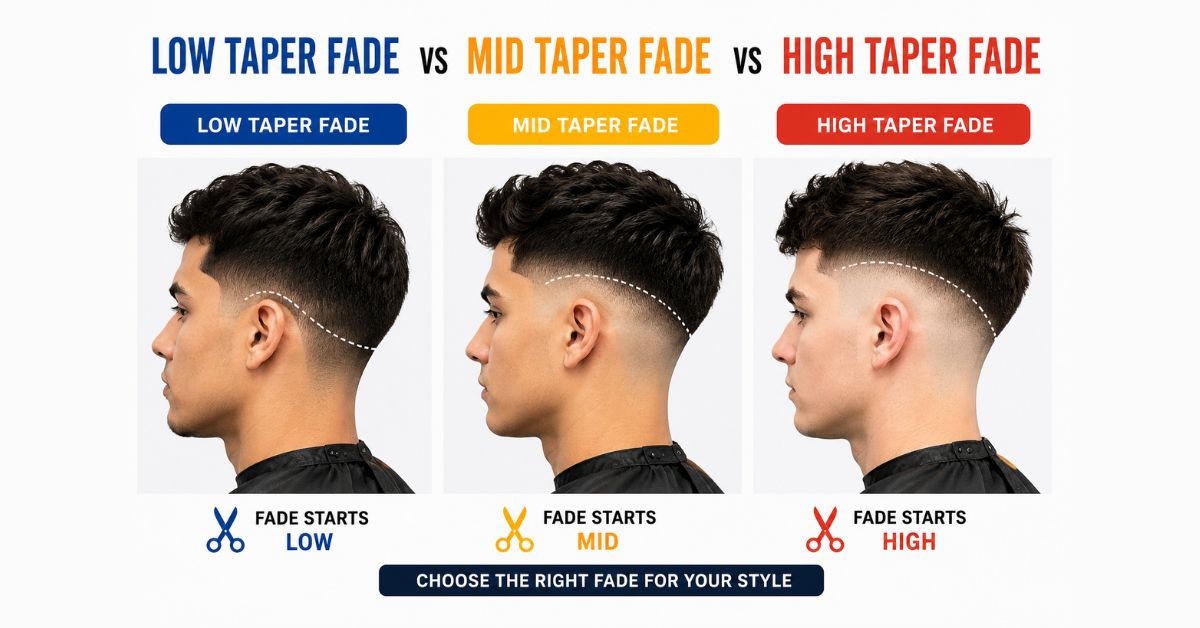
Low Taper Fade Long Hair
A low taper fade long hair cut keeps the fade close to the hairline, starting just above the ears and neckline rather than climbing high up the head. This is the most subtle version of the style from a distance, it can look like a long haircut with simply clean edges. It suits people who want the benefits of a fade without a dramatic short-to-long contrast, and it’s a common choice for workplaces with conservative grooming expectations.
Mid Taper Fade Long Hair
The mid version starts the fade around temple height, giving more visible contrast than a low fade while still keeping things wearable day to day. This is often the sweet spot for a long hair taper fade haircut enough definition to look intentional, not so much that it dominates the style. Most barbers default here when a client says “surprise me” but wants long hair up top.
High Taper Fade Long Hair
A high taper fade pushes the short section further up the head, sometimes close to the crown, before blending into the long top. This creates the sharpest contrast of the three and tends to suit thicker or curlier hair types, since the dramatic fade balances heavier volume above. It’s a bolder statement and reads as more fashion-forward than the low or mid versions.
Long Hair Slick Back Taper Fade
The long hair slick back taper fade pairs a mid-to-high fade with hair on top brushed straight back off the face using pomade or a strong-hold cream. It’s one of the most requested combinations for formal or business settings because it looks polished without needing scissors near the top at all just product and a comb. A slick back taper fade works especially well once the top reaches three to four inches, giving enough length for the product to hold the shape through a full day.
Long Hair Taper Fade with Man Bun or Top Knot
Once the top reaches enough length usually four inches or more a long top taper fade opens the door to tying it up entirely. A man bun or top knot paired with a tight fade underneath is a distinctly modern combination: practical for gym sessions or hot weather, but still styled rather than thrown together. The fade underneath is what keeps this from looking unkempt when the bun comes down.
Long Hair Taper Fade Quiff
A quiff lifts and pushes hair up and slightly back from the front, creating volume and height near the hairline. Paired with a fade, it draws the eye upward and forward, which flatters rounder face shapes by adding visual length. It needs a bit of natural texture or a texturizing product to hold the lift through the day.
Long Hair Taper Fade Pompadour
The pompadour is a more structured, higher-volume cousin of the quiff hair is swept back and up with more height retained at the front, often with a defined side part underneath. This version leans classic and works well for anyone wanting a modern taper fade long hair look with a vintage reference point.
Curly Long Hair Taper Fade
Curly hair adds natural volume, so a low taper fade long hair curly combination is often recommended the low fade avoids competing with the curl pattern’s own contrast. That said, mid fades work too, especially on tighter curl patterns where extra definition helps the shape read clearly. Curls should generally be left slightly longer than straight hair equivalents, since shrinkage means the visible length is shorter than the actual strand length.
Wavy Long Hair Taper Fade
Wavy hair sits in a flexible middle ground it holds shape better than straight hair without the volume demands of curly hair. A mid taper fade tends to suit waves particularly well, since the wave pattern already provides texture and the fade just needs to clean up the perimeter.
Straight Long Hair Taper Fade
Straight hair shows the fade line most clearly, since there’s no natural texture breaking up the transition. This makes precision important ask your barber for clean, tight blending, since any unevenness will be more visible than it would be on curly or wavy hair. Straight long hair also tends to hold slick-back styles the longest through the day.
Long Hair Taper Fade with Beard
Pairing this haircut with a well-maintained beard creates a cohesive, framed look, especially when the beard fade connects into the sideburns and hairline fade. This combination has become one of the most common requests in barbershops, largely because it balances a longer, softer top with a more angular, defined jawline.
Long Hair Taper Fade with Ponytail
For hair that’s grown well past the man bun stage often past shoulder length a ponytail taper fade offers a practical alternative to a full bun. The sides stay faded and clean while the top and length are gathered and secured, usually at the crown or slightly lower.
This version is common among people with naturally straight or wavy hair, since it’s easier to smooth into a neat ponytail than tighter curl patterns, though a bit of gel or cream at the front helps keep flyaways controlled regardless of texture.
Long Hair Taper Fade Flow or Wolf Cut Style
Borrowing from surfer-inspired “flow” hairstyles and the layered wolf cut trend, this version pairs a fade with heavily layered, textured length on top rather than one uniform length. The layers add movement and reduce visual bulk, which suits thicker hair types that might otherwise look heavy when left at one length.
It’s a lower-maintenance option day to day since the layered cut itself creates texture, meaning you can often get away with just scrunching in a light product rather than a full styling routine.
Long Hair Taper Fade with Fringe or Bangs
A long fringe taper fade keeps length at the front, either textured and piece-y or swept to one side, while the sides fade down cleanly. This works well for people who want length without the commitment of a full slick-back or tied-up style, and it tends to suit oval and heart-shaped faces particularly well by softening a more prominent forehead or hairline.
Which Long Hair Taper Fade Suits Your Face Shape?
Face shape genuinely changes how a taper fade long hair style reads, and a good barber will factor this in before touching the clippers. For round faces, height and vertical lines help a quiff or pompadour with a mid-to-high fade adds length visually, while flat, brushed-down styles tend to widen the face further. For square faces, the goal is usually softening sharp angles, so a side-swept fringe or looser, textured top with a low fade works better than anything too structured or slicked flat.
Oval faces are the most flexible shape for this cut nearly every variation listed above, from slick back to man bun to quiff, tends to suit an oval face well, since there’s no dominant angle to balance out. Long or rectangular faces benefit from width rather than height, so a side part with volume at the sides, paired with a low or mid fade, helps break up vertical length.
Heart-shaped faces, which taper from a wider forehead to a narrower chin, generally do well with a fringe or side-swept top that draws attention away from the forehead, combined with a fade that isn’t too aggressive near the temples.
None of these are hard rules, and a skilled barber will always look at your actual hairline, hair density, and growth pattern before locking in a plan. But if you’re choosing a reference photo for a taper fade long hair haircut and want the best odds of it suiting you specifically, matching the top style to your face shape first then picking the fade height second tends to produce better results than choosing based on a photo alone.
How Long Does Your Hair Need to Be for a Taper Fade? (Length Guide)
This is one of the most practical questions people ask, and it’s rarely answered clearly. To get a genuine taper fade with long hair look meaning the top reads as deliberately long rather than just “growing out” you generally need at least two to three inches on top. Below that, you’re closer to a standard taper fade with textured length rather than a true long-on-top style.
For slick-back or quiff styles, three to four inches gives product enough to work with while still holding shape through the day. For anything tied up man buns, half-up styles, short ponytails you’re usually looking at four to six inches minimum, since hair needs enough length to actually gather and secure.
Curly and wavy hair types should add roughly 20 to 30 percent more length than these numbers suggest, since curl pattern shrinkage reduces visible length compared to the actual strand length. If you’re not sure where you currently stand, a barber can measure and tell you honestly whether you’re ready for the full style or need another few months of growth first.
How to Grow Out a Fade into Long Hair (Transition Timeline)
Growing from a short fade into genuine length on top is a process most people underestimate, and it’s the part almost no other guide covers in detail. The first four to six weeks are the hardest the top hasn’t grown enough to style meaningfully, but it’s too long to look like a fresh fade anymore. This is the phase where most people give up and cut it all off. Getting through it usually means keeping the fade itself freshly maintained, so the sides stay sharp even while the top looks unfinished; that contrast alone makes the awkward stage far less noticeable.
Between weeks six and twelve, the top typically reaches two to three inches, enough for basic texture and light styling with a matte clay or light cream. This is a good point to get the fade refreshed but tell your barber explicitly not to touch length on top just the sides and back.
By months three to five, most hair types reach the three-to-four-inch range needed for slick backs and quiffs, and by month six or beyond, longer styles like man buns become realistic depending on your natural growth rate, which averages roughly half an inch per month for most people.
Throughout the transition, the fade should be touched up every two to three weeks regardless of what the top is doing. This is the single biggest factor separating a good taper fade long hair transition from one that just looks like an ungroomed head the sides staying crisp does most of the visual work while the top catches up.
How to Ask Your Barber for a Taper Fade with Long Hair
Clear communication prevents the most common disappointment with this cut: coming in wanting long hair on top and leaving with far less than expected. Start by specifying the fade type and height using the terms covered earlier low, mid, or high taper fade rather than vague descriptions like “short on the sides.” Barbers work with these terms daily, and precision here removes almost all guesswork.
Next, be explicit and specific about the top. Saying “just a trim” is dangerously vague; instead, say something like “leave at least three inches on top” or “only take off half an inch, I’m growing it out.” If you have a reference photo genuinely useful for this style more than most bring it, and point out both the fade height and the top length shown.
It also helps to mention your goal style upfront: telling your barber you’re aiming for a slick back or a man bun changes how they’ll shape the top, even if the length stays the same. Finally, if you’re mid-transition and just need the sides cleaned up, say so directly: “fade only, don’t touch the top” avoids any accidental length loss.
How to Style Long Hair with a Taper Fade
Daily Styling Routine for Long Hair Taper Fades
A consistent routine makes this cut look intentional rather than incidental. Start with damp, towel-dried hair rather than soaking wet product distributes more evenly and you get more control over the final shape. Apply a small amount of your chosen product through the mid-lengths first, then work it toward the roots, rather than dumping it all at the crown.
For slick-back and pompadour styles, a comb gives a cleaner, more defined result than fingers alone; for textured or messy looks, fingers or a wide-tooth comb keep things looser and more natural.
Direction matters as much as product. Brushing hair back while it’s still slightly damp trains it to fall that way as it dries, which reduces how much product you need on subsequent days. If you’re tying hair up, do it after styling product has been applied and allowed to set for a minute or two this prevents flyaways and keeps the fade visible and clean underneath.
Best Products for Long Hair Taper Fades
Different styles call for different products, and using the wrong one is a common reason a long hair taper fade haircut looks flat or greasy instead of sharp. For slick-back and pompadour looks, a pomade with strong hold and shine gives the classic polished finish and keeps hair in place through humidity and movement.
For more natural, textured styles quiffs, brushed-forward looks, fringe styles a matte clay or styling cream gives hold without shine, which reads as more casual and modern.
If your hair is naturally straight and resistant to texture, a sea salt spray applied to damp hair before drying adds grit and volume that makes styling products grip better afterward. For curly or wavy long hair, a lightweight mousse applied to damp hair helps define natural texture without weighing curls down, which matters since heavy pomades and clays tend to flatten curl pattern rather than enhance it. Whatever you choose, less is almost always better than more you can always add a second small amount if the first didn’t give enough hold.
How Often to Trim a Taper Fade While Growing Your Hair Long
The sides and the top run on completely different maintenance schedules with this style, and understanding that difference prevents both an overgrown fade and an accidentally short top. The fade itself needs attention every two to three weeks. Fades grow out faster than they look the clean line at the bottom starts softening within ten to fourteen days, and by three weeks it’s usually lost most of its sharp contrast.
The top, in contrast, should be left alone far longer. During an active growth phase, most people skip top trims entirely for two to four months, occasionally asking for a light dust of split ends rather than any real length removal. Once you’ve reached your target length and want to maintain it rather than grow further, a trim every six to eight weeks focused only on split ends and shape keeps things healthy without undoing your progress.
The golden rule here: every time you sit in the chair, confirm with your barber whether you’re maintaining, growing, or ready to cut back, since assumptions in either direction lead to disappointment.
| Area | Growth Phase | Maintenance Phase |
| Fade (sides/back) | Every 2–3 weeks | Every 2–3 weeks |
| Neckline & sideburns | Every 1–2 weeks (touch-up) | Every 1–2 weeks (touch-up) |
| Top length | Skip for 2–4 months | Light trim every 6–8 weeks |
| Full reshape | Only when target length is reached | Every 3–4 months |
This table reflects the general rhythm most barbers use for a long hair taper fade haircut, though thicker or faster-growing hair may need the fade touched up closer to the two-week mark rather than three.
Common Mistakes to Avoid When Growing a Taper Fade Long on Top
The most frequent mistake is letting the fade grow out along with the top, thinking it saves time or money. It does the opposite an overgrown fade blurs the contrast that makes long hair on top look styled rather than unkempt, and by the time you do get it fixed, the barber often has to fade higher than originally planned to correct the buildup, undoing months of the top’s growth in the process.
A close second is skipping regular light trims entirely during the growth phase. Split ends don’t just look rough up close; they make hair appear thinner and less healthy overall, and once they travel up the shaft, you can end up needing a more significant cut to remove them.
Overusing heavy styling products is another common issue, particularly with pomades used on fine or thin hair too much product weighs hair down and can make even a well-cut style look greasy or flat by midday. On the opposite end, using no product at all on hair with a strong natural part or cowlick often leads to a top that won’t cooperate no matter how good the underlying cut is.
Finally, many people neglect the neckline and sideburns between full barber visits these areas grow in noticeably within a week or two and, left unchecked, make even a recently faded cut look unfinished far sooner than expected.
One more mistake worth flagging: switching barbers frequently during the growth phase of a taper fade long hair cut. Every barber measures fade height and blending slightly differently, and inconsistency in those early months is a common reason the fade line looks uneven or the top grows unevenly across sections.
Sticking with one barber or at minimum, bringing the same reference photo and clear notes to each visit keeps the cut consistent while you’re building toward your target length.
FAQs
What is a taper fade with long hair called?
There’s no single official name it’s most commonly referred to as a taper fade long hair style, a long top taper fade, or simply a “long on top, faded on the sides” haircut. Specific variations get their own names, like slick back taper fade or man bun taper fade, depending on how the top is styled.
Is a low taper fade good for long hair?
Yes, a low taper fade long hair combination is one of the most versatile options, since the subtle fade doesn’t compete with the length or texture on top. It suits most face shapes and works well in professional settings where a more dramatic high fade might feel too bold.
How long should hair be for a slick back taper fade?
Most people need at least three to four inches on top for a long hair slick back taper fade to hold its shape properly through the day. Shorter than that, the style tends to separate or lose its slicked-back form within a few hours, especially without strong-hold product.
Does a taper fade work with curly long hair?
Yes, and it’s one of the better combinations for managing curl volume. A low or mid fade tends to work best, since it avoids competing with the natural texture on top, and curls should generally be grown slightly longer than straight hair to account for shrinkage.
What is a taper fade long hair?
It’s a haircut that fades the sides and back short while keeping noticeable length often two inches or more on top. The fade keeps things clean while the long top gives you room to style.
Is a taper fade haram?
A taper fade itself isn’t inherently haram opinions vary by scholar and school of thought, with some focusing on whether the style imitates non-Muslims or involves cutting patterns some consider disliked (makruh). It’s best to ask a trusted local scholar, since views differ by community and context.
Which fade is best for long hair?
A low or mid taper fade generally works best with long hair, since it frames the length without overwhelming it. High fades suit long hair too, but mainly if you have thicker or curlier texture that needs stronger contrast to balance.
What taper fade is best?
There’s no single “best” it depends on face shape, hair texture, and how much contrast you want. Mid taper fades are the most popular default since they balance sharpness with everyday wearability.
Final Thoughts
A taper fade long hair cut rewards a bit of patience and communication more than almost any other men’s style the difference between a great result and a disappointing one usually comes down to clear conversations with your barber and consistent fade maintenance while the top grows.
Whether you’re aiming for a clean low taper fade with straight hair, a bold high fade with curls, or a full slick-back once the length is there, the same principle holds: keep the sides sharp, be specific about what you want on top, and give the growth process the time it actually needs. Book your next fade appointment with a clear length goal in mind, and you’ll get through the awkward growing-out phase far faster than trying to figure it out on your own.