Low Taper Fade Straight Hair The Complete Style, Styling & Maintenance Guide
If you’ve got straight hair and you’re considering a low taper fade straight hair look, you’re picking one of the most versatile cuts a barber can give you. It’s subtle enough for the office, sharp enough for a night out, and it grows out far more gracefully than a high fade ever will.
This guide walks you through everything what the cut actually is, how it behaves on straight hair specifically, which variations suit your face shape and density, and how to keep it looking fresh between visits.
Straight hair reacts differently to fading than curly or coily textures do, and that difference matters more than most articles let on. Here’s what you need to know before you sit in the chair.
What Is a Low Taper Fade on Straight Hair?
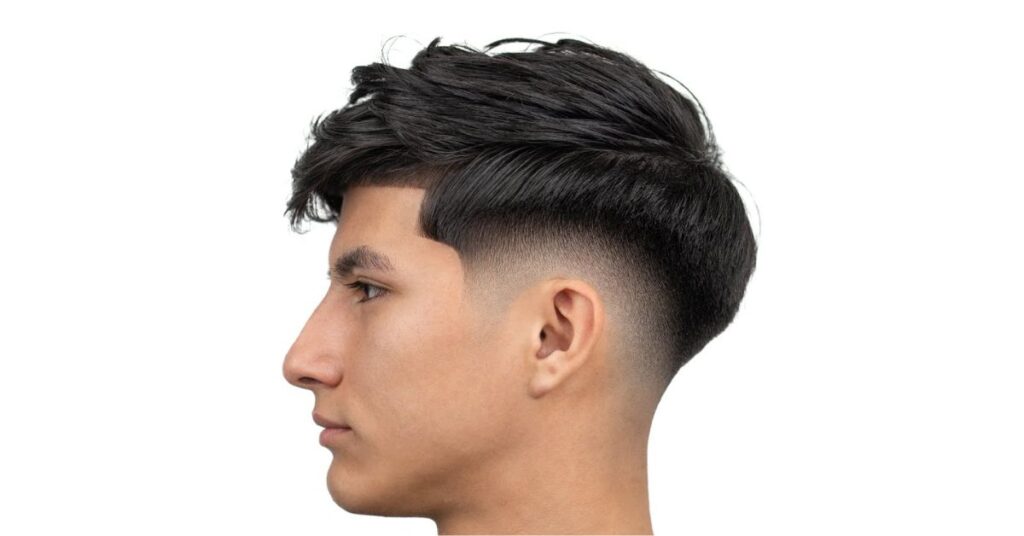
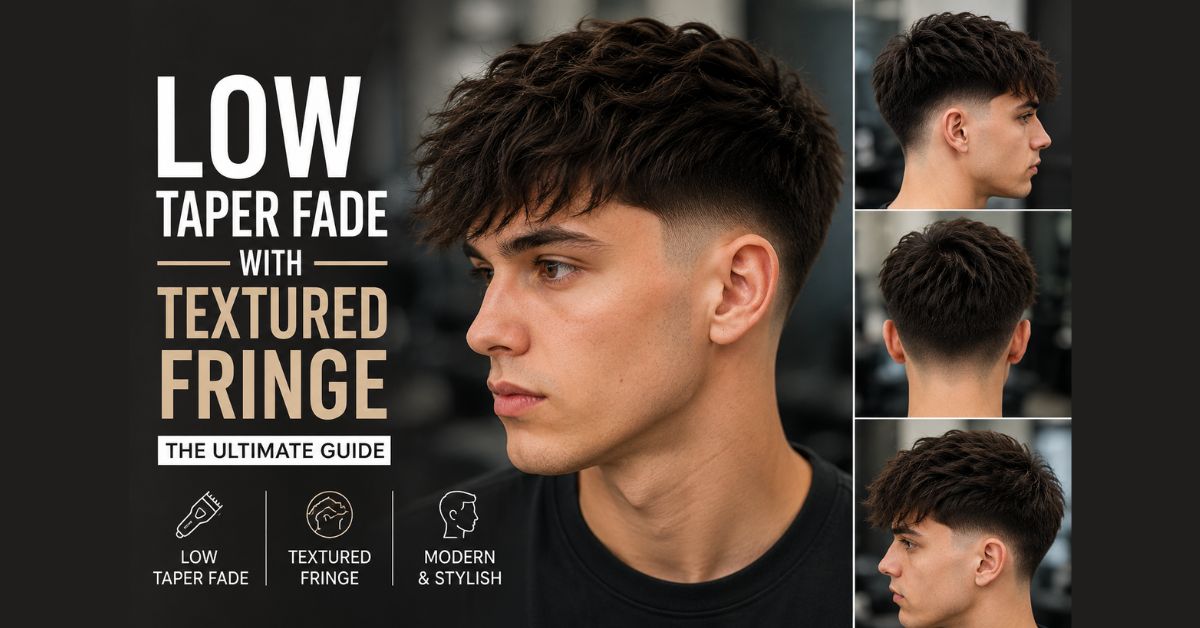
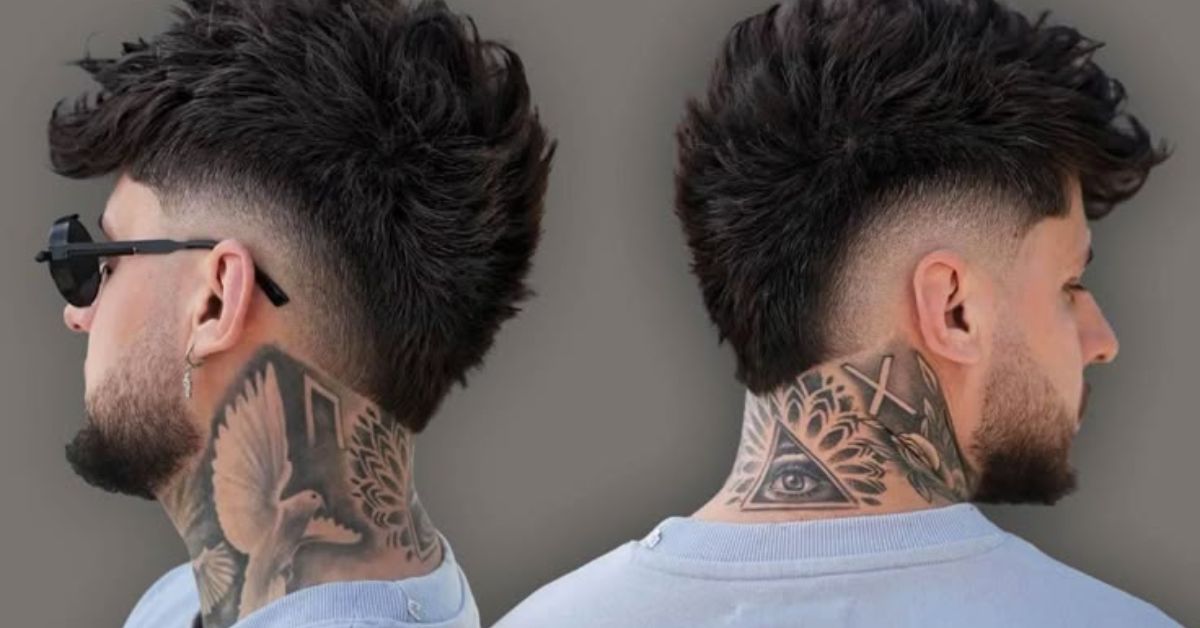
A low taper fade straight hair cut is a fade haircut for men where the clippers blend the hair short at the nape and around the ears, gradually lengthening toward the crown. Unlike a high fade haircut or mid fade haircut, the blending stays close to the hairline and sideburns, leaving most of the length untouched higher up. This makes it one of the more conservative fade styles noticeable up close, understated from a distance.
On straight hair, this taper fade haircut for straight hair reads differently than it would on curly or wavy textures. Straight strands lie flat against the scalp, which means the transition line from skin to hair shows up crisper and more defined.
There’s less texture to soften the blend, so your barber has to work a bit more precisely to avoid a harsh line. The upside is that a well-executed low taper fade straight hair cut looks exceptionally clean, almost architectural, because the straight hair falls exactly where it’s cut with no frizz or curl pattern disrupting the shape.
How Straight Hair Texture Affects the Fade Look
Straight hair has one texture quirk that curly hair doesn’t: it grows out visibly and quickly. Because each strand hangs straight down instead of coiling, even a few millimeters of new growth changes the fade’s appearance within two to three weeks.
This is worth knowing upfront, since it affects how often you’ll need trims to keep the low taper fade straight hair style sharp. Straight hair also tends to sit flatter at the crown, so volume-building products matter more here than they would for naturally textured hair.
Low Taper vs. Mid Taper vs. High Taper on Straight Hair
Choosing the right fade height changes the entire vibe of a low taper fade straight hair look, and straight hair makes each height look distinctly different from how it would on curly hair. Here’s a quick breakdown before you decide.
| Taper Height | Where It Starts | Best For | Maintenance |
| Low taper | Near the ears and neckline | Professional settings, subtle looks | Every 3–4 weeks |
| Mid taper | Between ear and temple | Balanced, everyday versatility | Every 3 weeks |
| High taper | Near the temple | Bold, modern statement | Every 2–3 weeks |
Low Taper Fade Subtle, Low-Maintenance Blend
A low fade haircut keeps things quiet. The fade barely touches the sides, so from the front you might not even notice it’s there. This is the go-to choice for anyone who wants a low taper fade straight hair style that reads as a professional men’s haircut without screaming for attention.
Mid Taper Fade Balanced Blend for Straight Hair
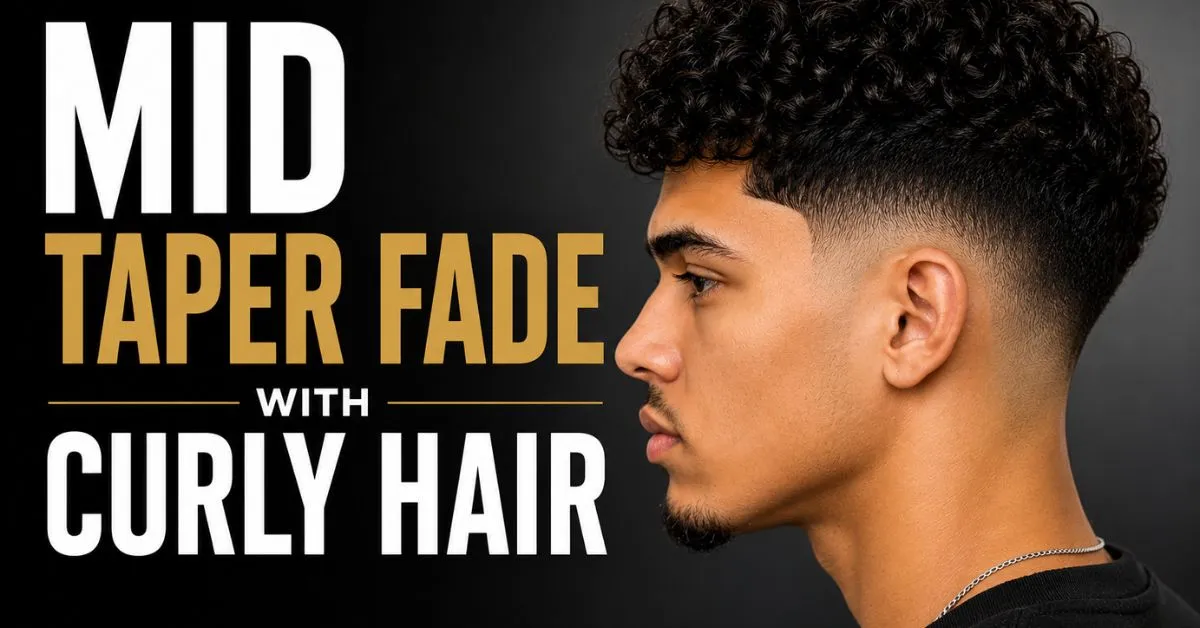
A straight hair mid taper fade sits between subtle and bold. It’s higher than a low taper but doesn’t reach the temple the way a high fade does. For a low taper fade straight hair alternative with more visible contrast, this height often works well because it gives the barber more room to blend gradually, softening that crisp line straight hair tends to create.
If you want something more noticeable than a mid taper fade straight hair cut but you’re not ready for drastic contrast, this is the middle ground.
High Taper Fade Bold Contrast on Straight Hair
A high taper fade straight hair cut pushes the blend up near the temple, creating dramatic contrast between the shaved sides and the length on top. This works best if you have thicker straight hair up top to balance the shorter sides thin straight hair can look disproportionate with this much contrast.
Which Taper Height Suits Straight Hair Best?
If you’re unsure, start with a low taper fade straight hair cut. It’s the most forgiving option, works with almost any face shape, and gives you room to go bolder later without much risk. Thicker straight hair can handle any of the three heights; finer straight hair generally looks best with a low or mid taper, since too much contrast can make thin hair look sparser by comparison.
Best Low Taper Fade Styles for Straight Hair
This is where the cut gets genuinely fun to customize. A low taper fade straight hair style isn’t one fixed look it’s a base that pairs with dozens of top styles. Below are the combinations that consistently work best.
Low Taper Fade with Classic Side Part
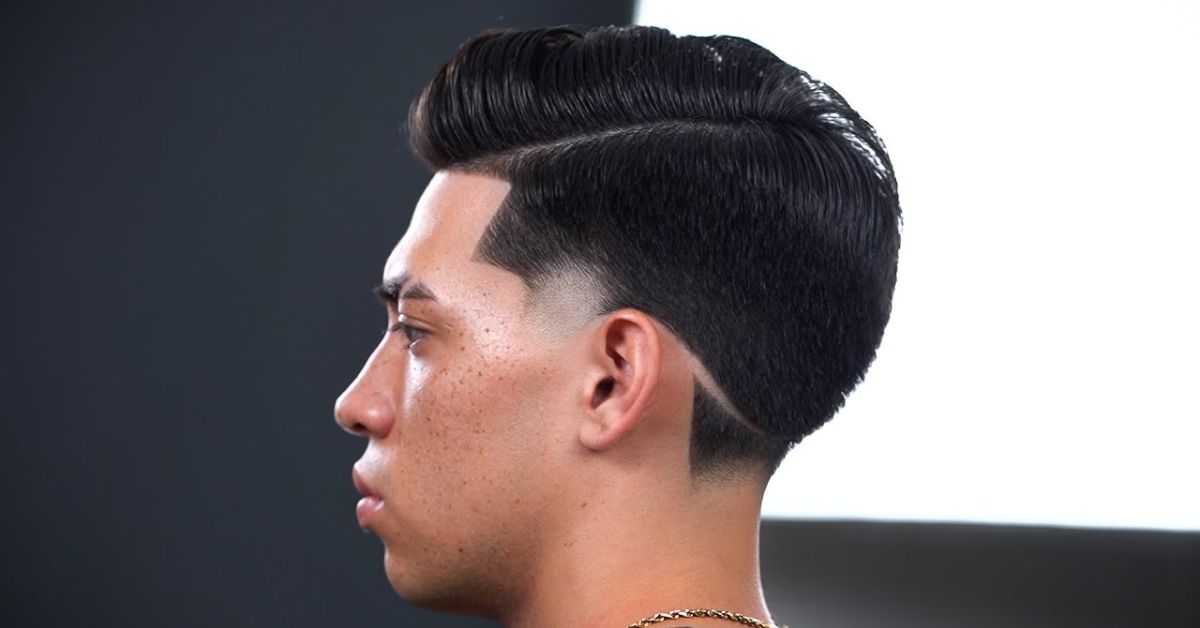
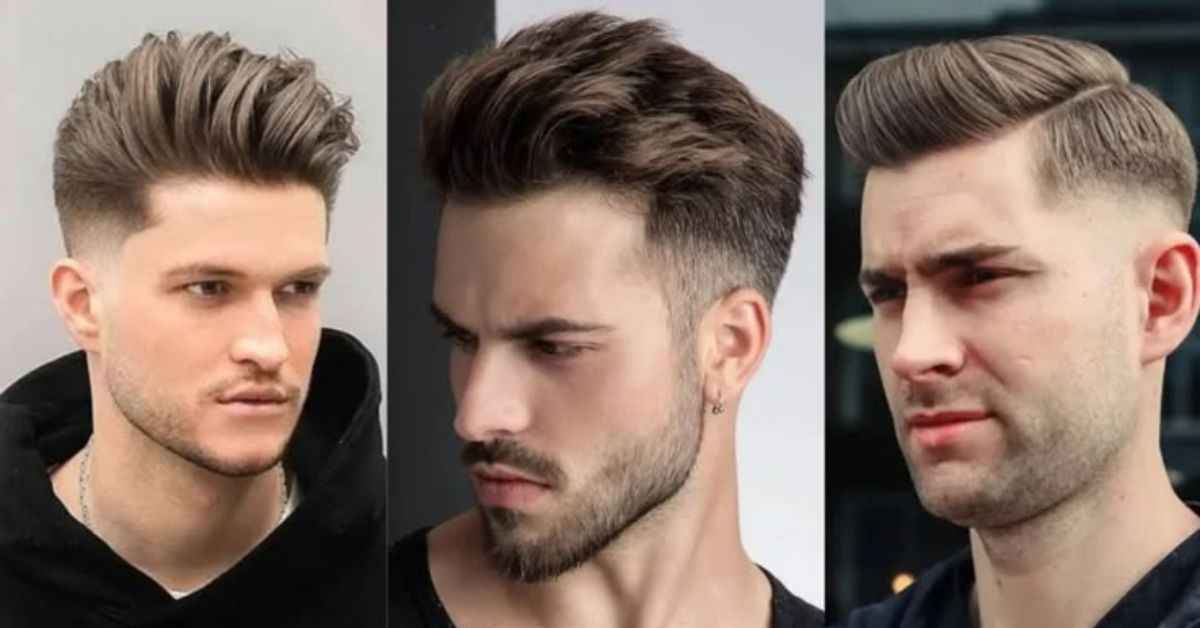
A side part taper fade is the definition of a classic taper fade, and it’s one of the most requested low taper fade straight hair variations for good reason. Straight hair holds a side part cleanly because there’s no curl pattern fighting the direction of the comb. This combination reads as polished and works for nearly any professional environment.
Low Taper Fade with Textured Crop
A textured crop taper adds movement on top through choppy, layered cutting, making it one of the more dynamic low taper fade straight hair options. On thick straight hair, this creates natural-looking texture without needing much product. On finer straight hair, a texturizing spray helps mimic the same effect.
Low Taper Fade with Slick Back
The slick back taper fade is one of the sharpest low taper fade straight hair combinations available, since straight strands slick back smoothly without the frizz that curlier textures fight against. A strong-hold pomade is essential here to keep everything in place through the day.
Blowout Taper Fade for Straight Hair
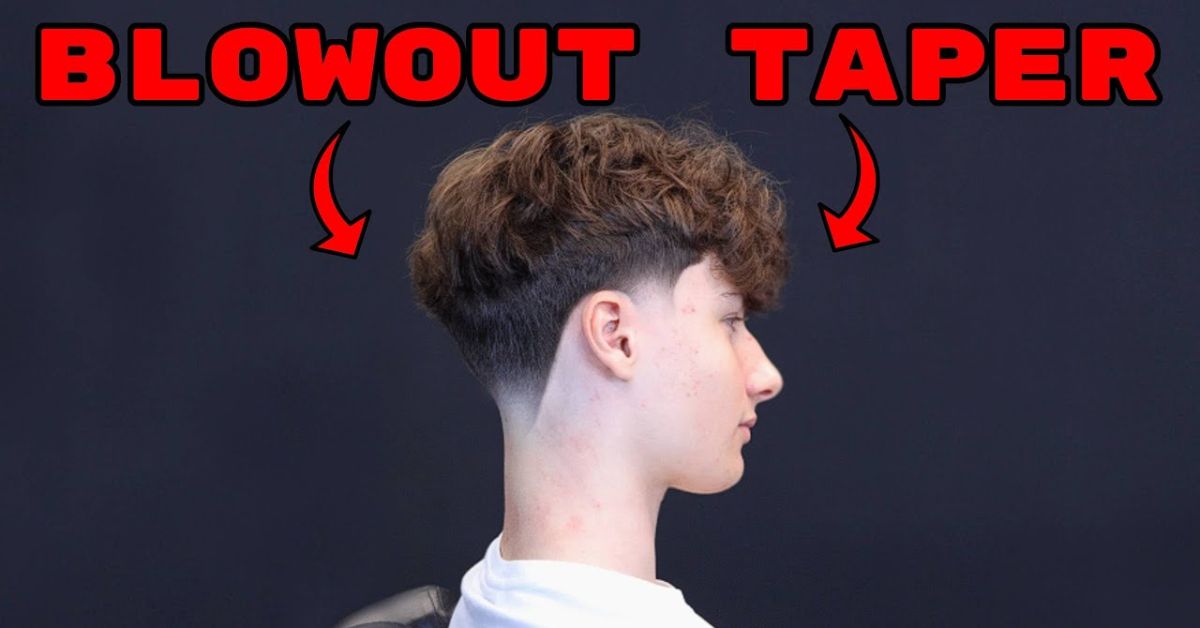
A blowout taper fade straight hair style uses a round brush and blow dryer to lift the roots and create height and volume on top, while the sides stay tightly faded. This is a favorite for straight hair specifically because straight strands respond well to heat styling they hold the lifted shape without frizzing or reverting the way curlier hair often does. It’s a great pick if your straight hair tends to sit flat and you want more visible volume without switching to a longer cut.
Low Taper Fade with Fringe/Bangs
A fringe taper fade brings the front section down over the forehead, contrasting sharply with the faded sides a striking take on the low taper fade straight hair theme. This works especially well on silky straight hair, which naturally falls forward in a clean, uniform line.
Low Taper Fade with Comb Over
A comb over taper fade takes the top section and sweeps it to one side, giving a low taper fade straight hair cut a sharper, more polished edge. This is one of the most requested modern taper fade looks because it works in both casual and formal settings without needing a full restyle each morning.
Low Taper Fade with Spiky Top
For a more youthful, energetic look, a messy straight hairstyle paired with a low taper adds texture and volume through a light matte product worked into damp hair, then finger-styled for a spiked, undone finish.
Low Taper Fade with Long Top
If you’re growing your hair out, a long straight hair taper keeps the sides tidy while giving you room to experiment with length on top. This variation buys you time between major cuts since the length up top hides regrowth longer than shorter styles do.
Low Taper Fade for Boys and Kids with Straight Hair
A low taper fade straight hair boys cut needs a slightly different approach than an adult version. Kids’ hair tends to be finer, and barbers typically use larger clippers guards to keep the transition softer and more forgiving for a growing hairline. This makes the cut lower-maintenance, since a slightly grown-out low taper on a child’s straight hair still looks tidy rather than messy.
For school-age boys, a low taper fade straight hair boys style is popular because it meets most dress code requirements while still looking current. It’s also easier for parents to manage day-to-day, since straight hair on kids typically just needs a quick brush rather than daily styling products. Barbers often recommend keeping the fade slightly higher on younger boys since their hair grows faster, extending the time between trims.
How to Choose the Right Low Taper Fade for Your Face Shape and Hair Density
Getting a low taper fade straight hair cut that actually suits you comes down to two things: your face shape and how dense your hair is. Get these right, and the cut looks tailored rather than generic.
Best Low Taper Fades by Face Shape
Matching a low taper fade straight hair cut to your face shape makes a real visual difference. Round faces benefit from styles with height on top a quiff or textured crop taper adds vertical length that balances width. Square faces can wear almost any variation well, since the strong jawline pairs naturally with sharp fade lines.
Oval faces have the most flexibility and can experiment with fringe, slick back, or comb over styles without issue. Oblong faces do best avoiding too much height on top, since added length can make the face look longer; a side part or textured crop keeps proportions balanced.
Best Low Taper Fades by Straight Hair Density
A low taper fade straight hair cut looks different depending on your density. Thick straight hair can handle bolder top styles pompadours, quiffs, and longer textured crops all hold their shape well with enough density to support the volume.
Fine straight hair looks cleaner with shorter, closer-cropped tops, since thin hair styled too long can look flat or limp by midday. If you have fine straight hair, ask your barber about layering techniques that create the illusion of thickness.
Who Should Avoid a Low Taper Fade?
Honestly, very few people should skip this cut entirely it’s one of the most adaptable fades available. That said, if you have extremely fine, thinning hair at the crown, a very low taper combined with short styling on top can sometimes draw more attention to thinning areas rather than less. In that case, a slightly higher taper with more length retained on top usually looks more flattering.
[Internal Link: article about choosing a haircut for your face shape]
How to Ask Your Barber for a Low Taper Fade on Straight Hair
Communication with your barber makes or breaks the final result of a low taper fade straight hair cut. Walking in and simply saying “low taper” leaves too much open to interpretation, especially since tapered sides and faded neckline can mean different things depending on the shop.
Key Terms to Use
Be specific: ask for a low fade haircut starting at the temple fade line or lower, request a specific guard number for the sides (commonly a #2 or #3 blending down to skin at the neckline), and clarify whether you want a faded neckline or a straight neckline.
Mentioning “straight hair taper haircut” also helps your barber anticipate that the blend needs extra attention, since straight hair shows the fade line more clearly than textured hair does.
Reference Photos That Work Best for Straight Hair
Bring a photo of someone with a similar hair texture and density to yours, not just a similar haircut. A low taper fade straight hair photo on someone with thick hair won’t translate the same way onto fine hair, and your barber needs that context to adjust the cut accordingly.
Common Miscommunications to Avoid
The most common mix-up is confusing “taper” with “fade” a taper simply shortens hair gradually without necessarily going down to skin, while a fade blends all the way to bare skin at some point. If you want the sides to fade completely to skin, say so explicitly. Otherwise, you might end up with a taper that still has visible length at the neckline.
How to Style a Low Taper Fade with Straight Hair at Home
Styling straight hair after getting a low taper fade straight hair cut is genuinely simple once you know the sequence. Straight hair doesn’t fight product the way curly hair does, so most styles only take a few minutes.
Step 1 Prep and Dry Straight Hair Correctly
Start with towel-dried, not soaking wet, hair before styling your low taper fade straight hair cut. Straight hair holds style better when it’s about 70% dry before you apply anything, since fully wet hair dilutes product and fully dry hair won’t respond to reshaping as easily.
Step 2 Choose the Right Product for Flat vs. Voluminous Straight Hair
If your straight hair tends to sit flat, reach for a lightweight styling powder or sea salt spray to add texture and grip. If you want a sleek, controlled finish, a pomade or hair wax with strong hold works better since straight hair holds a slicked shape cleanly.
Step 3 Blow-Dry and Direct Hair Growth
Use a blow dryer with a round brush to lift roots against the direction hair naturally falls. This is especially useful when styling a low taper fade straight hair cut with a blowout taper hairstyle, where root lift creates the volume that straight hair doesn’t generate on its own.
Step 4 Lock In the Style
Finish with a small amount of matte clay or a light-hold spray to set the shape without weighing the hair down. Straight hair generally needs less product than curly hair to hold a style, so start small and add more only if needed.
Best Products for Maintaining a Low Taper Fade on Straight Hair
The right hair products make a noticeable difference in how long a low taper fade straight hair style holds up between barber visits. Straight hair specifically benefits from a few product categories more than others.
Lightweight Pomade vs. Matte Clay for Straight Hair
For a low taper fade straight hair finish, a water-based pomade gives shine and medium hold, ideal for slick back or side part styles. Matte clay works better for textured, messier looks since it adds grip without shine better suited to spiked or tousled straight hair styles.
Volumizing Powder for Flat Straight Hair
Since straight hair tends to lie flat, a light dusting of volumizing powder at the roots before styling can noticeably lift the crown, especially useful for anyone with fine straight hair looking for more visible texture.
Clarifying Shampoo to Prevent Product Buildup
A low taper fade straight hair style shows product buildup faster than curly hair does, since there’s no texture to hide residue. Washing with a clarifying shampoo once a week keeps strands from looking greasy or weighed down, particularly if you use pomade or wax daily.
Maintenance Timeline: How a Low Taper Fade Grows Out on Straight Hair
Understanding how a low taper fade straight hair cut changes over time helps you plan your next appointment before it starts looking unkempt.
Week 1–2: Sharpest Look
A low taper fade straight hair cut looks its sharpest during this window. The contrast between the faded sides and the top is at its most defined, which is when the cut photographs and styles best.
Week 3–4: Softening Fade Line
By week three, new growth softens the sharp blend, especially at the neckline. This is completely normal and, for many people, still looks presentable some prefer this slightly grown-out stage because it requires less daily styling.
When to Rebook Your Barber
Most people rebook every three to four weeks for a low taper fade straight hair cut, though this varies based on how fast your hair grows and how sharp you want the line to stay. If you have a specific event coming up, book two to three days beforehand rather than the day of, since a very fresh fade sometimes needs a day to settle.
[Internal Link: article about how often you should get a haircut]
Recommended Products for Different Straight Hair Types
Not every product works the same way across hair densities. Here’s a quick reference for matching products to your specific straight hair type.
| Hair Type | Recommended Product | Why It Works |
| Thick straight hair | Molding paste | Strong hold without over-styling density |
| Fine straight hair | Volumizing powder | Adds lift without weighing hair down |
| Silky straight hair | Water-based pomade | Smooth finish without stiffness |
| Textured/messy styles | Matte clay | Grip and texture without shine |
[Internal Link: article about the best hair products for men]
FAQs
Does low taper work on straight hair?
Yes, it works very well. Straight hair lies flat, so the fade blends cleanly with a crisp, defined line and no curl pattern to disrupt the shape.
Is fade halal in Islam?
Scholars are divided. Many consider a low or taper fade permissible since it doesn’t closely resemble hairstyles specifically discouraged in Islamic teachings, while others view very short-back-and-long-top fades as resembling a qaza’ (partial head-shaving) pattern that’s discouraged. It’s best to ask a knowledgeable local scholar for guidance specific to your situation.
What is a No. 1 haircut?
A No. 1 haircut uses a clipper guard that leaves hair about 3mm long very short, buzzed all over. It’s one of the shortest guard lengths, just above a No. 0 (skin-close).
Which taper fade is best for straight hair?
A low taper fade is generally the safest and most versatile choice, since straight hair shows fade lines sharply and a lower height keeps the blend forgiving and low-maintenance.
Final Thoughts
A low taper fade straight hair cut earns its popularity honestly it’s clean, adaptable, and genuinely low-maintenance compared to bolder fade heights. Whether you go with a slick back, a textured crop, or a blowout style on top, the key is matching the cut to your hair density and being specific when you talk to your barber. Straight hair rewards precision, and a well-blended low taper shows that off better than almost any other texture can.
If you’re ready to book your next cut, bring a reference photo of someone with similar hair density to yours, ask for the fade height by name, and don’t be afraid to request a slightly higher taper if you want more contrast down the line. Once you’ve got the cut dialed in, the styling and maintenance routine above will keep it looking sharp between visits.