Low Taper Fade With Textured Fringe The Complete Style Guide
If you’ve been scrolling through barbershop posts and keep landing on the same look clean sides, faded low, with a choppy, piece-y fringe on top you’re looking at the low taper fade with textured fringe.
It’s one of the most requested cuts in modern barbering right now, and for good reason. The style balances sharp, precise fade work on the sides with relaxed, lived-in texture on top. The result is a haircut that looks effortlessly stylish whether you’re heading to work or out on a weekend.
This guide covers everything you need to know: what the cut actually involves, which variation suits your hair type and face shape, how to describe it precisely to your barber, and how to style and maintain it at home. By the end, you’ll have a complete picture not just of how the style looks, but of how it works and why it works so well.
What Is a Low Taper Fade With Textured Fringe?
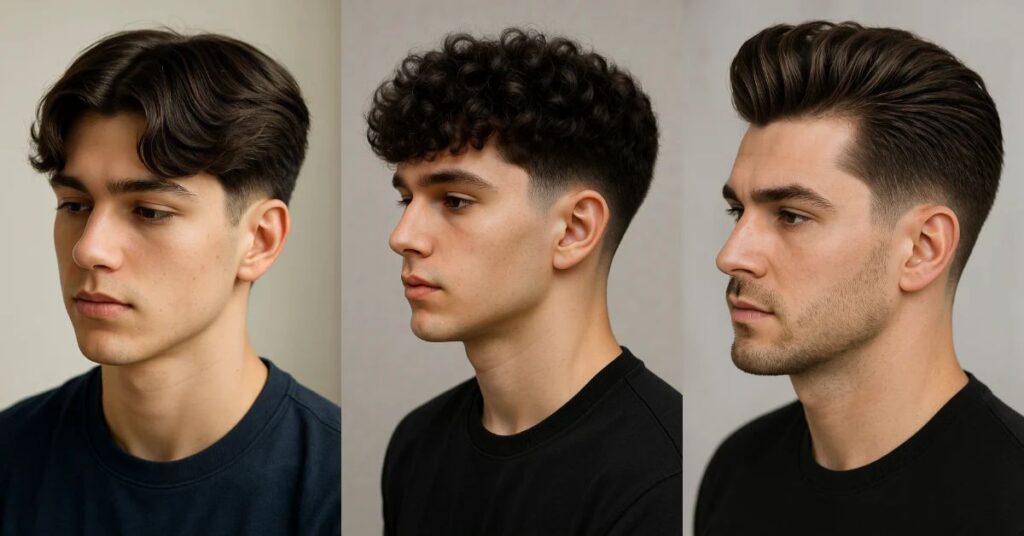
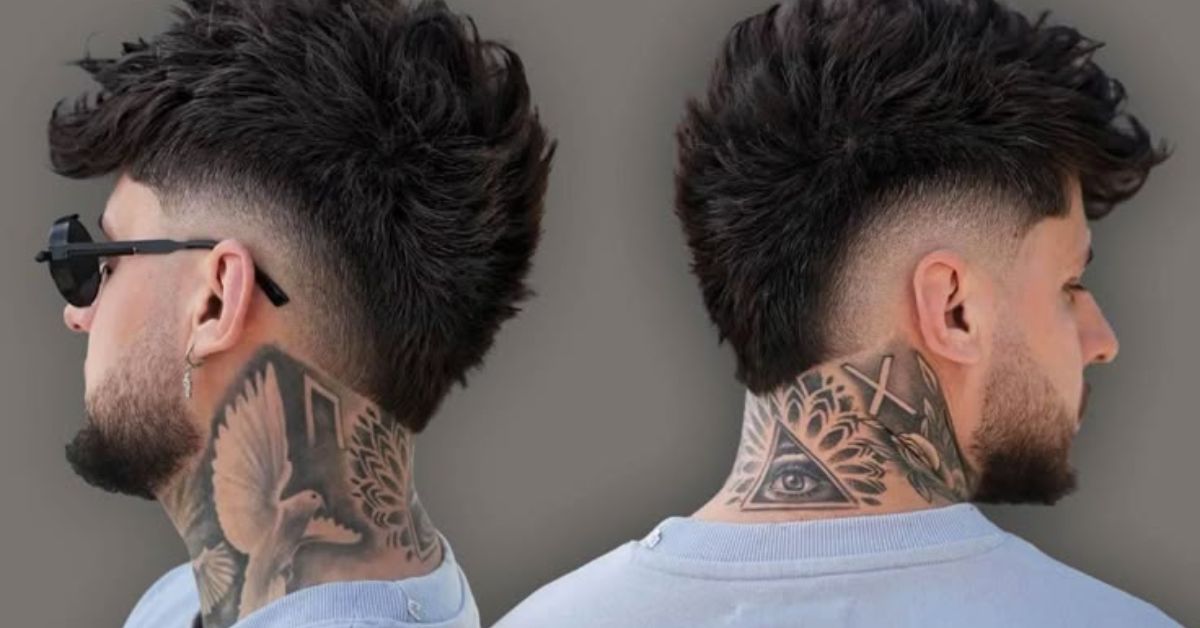
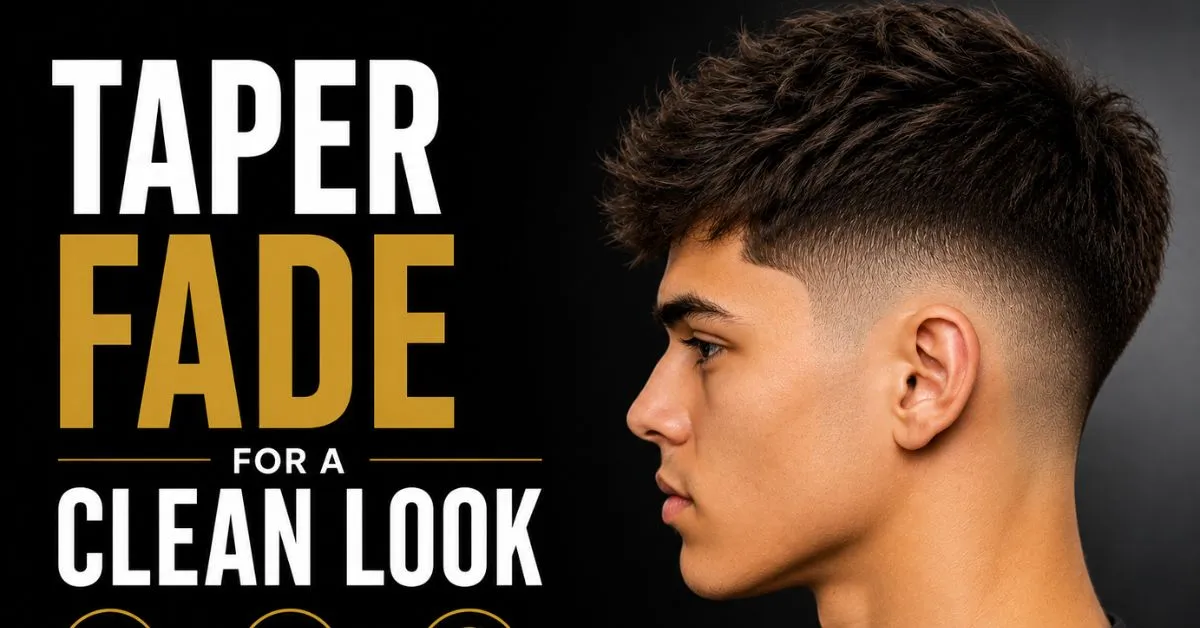
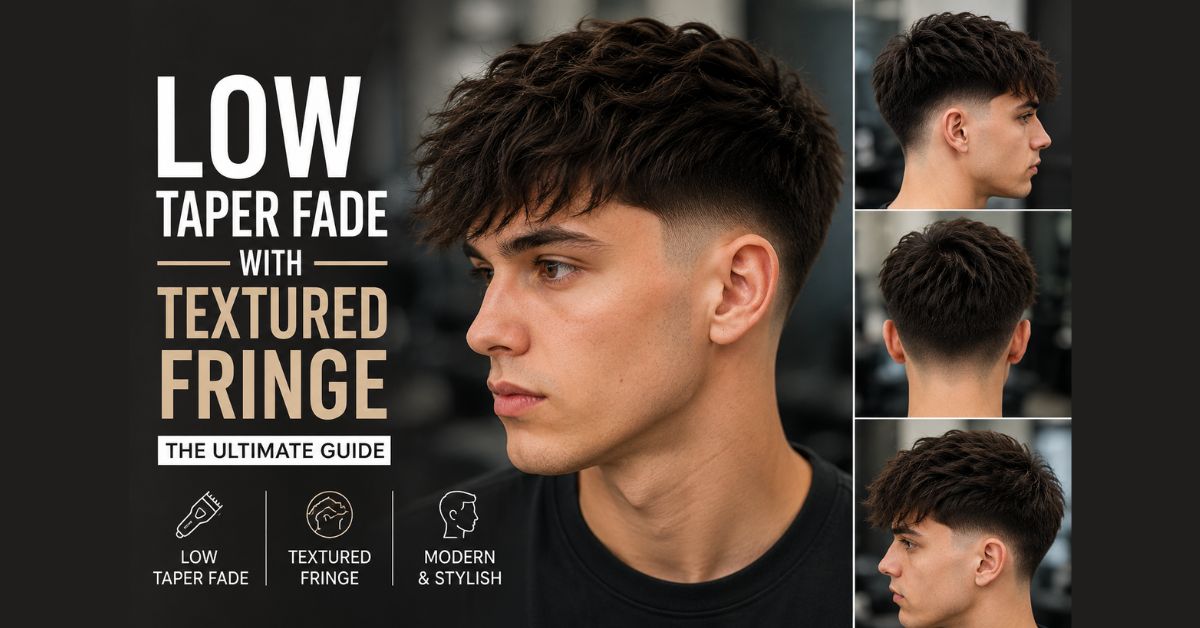
A low taper fade with textured fringe is a two-part haircut. The lower half of the head features a taper fade a gradual reduction in hair length that starts just above the ear and the natural hairline. The upper half features a textured fringe haircut: a forward-falling section of hair on top that’s been cut with deliberate unevenness to create movement, volume, and a slightly undone finish.
The word “low” in this context refers to where the fade begins its transition. Unlike a mid or high taper, a low taper fade haircut keeps the fade close to the natural hairline roughly at the temple and just above the ear. This means more length is preserved on the sides, which creates a softer, less dramatic contrast between the top and the sides. It’s a more wearable, versatile silhouette compared to its higher counterparts.
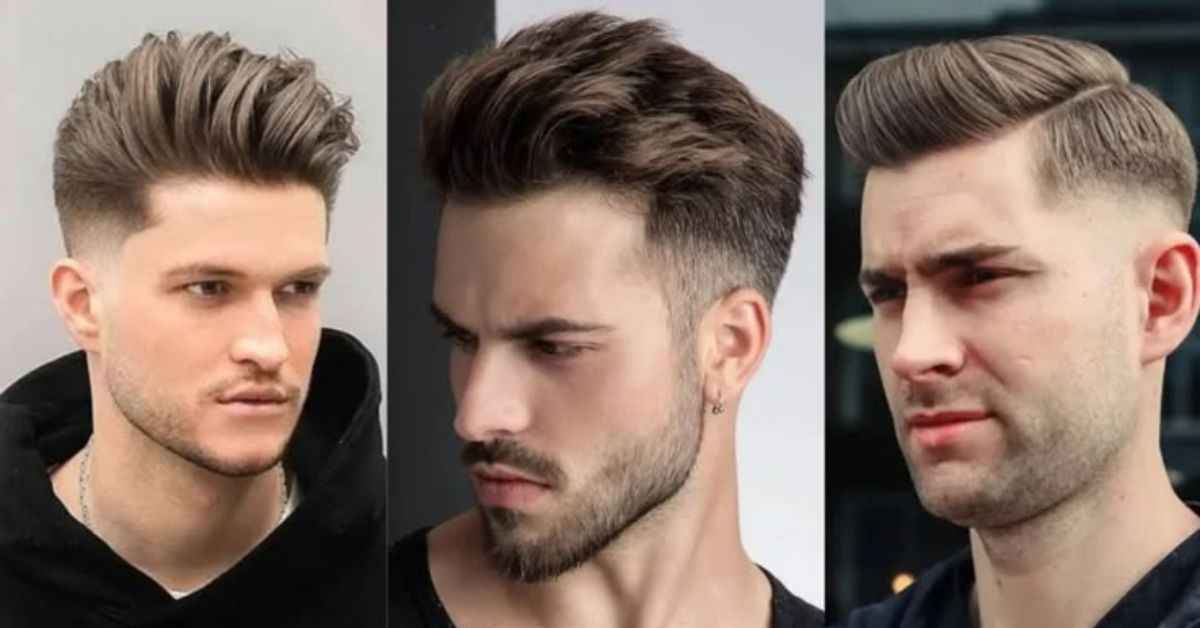
The textured fringe is what makes the top half of this cut distinctive. A fringe, by definition, is hair that falls forward over the forehead. A textured fringe is one where the ends have been point-cut, razor-sliced, or thinned with scissors or a texturising tool giving the hair a choppy, layered appearance rather than a blunt, even edge.
This technique removes bulk from the ends while keeping the overall length intact, which is why the fringe sits with natural movement instead of lying flat. These two elements together the precise fade below and the relaxed texture above create a balance of structure and ease that defines this look.
Low Taper Fade With Textured Fringe Variations Which Style Is Right for You?
Not all taper fades sit at the same height, and changing that single variable dramatically shifts the entire aesthetic of the cut. Understanding each variation helps you make an informed choice before you sit in the barber’s chair.
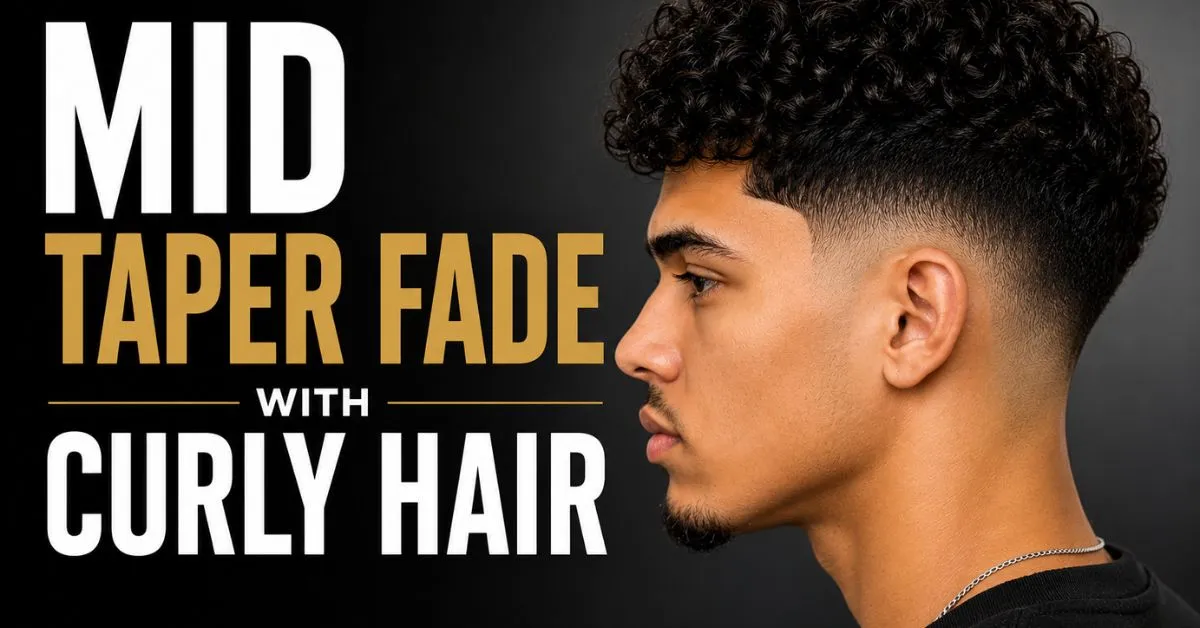
Mid Taper Fade With Textured Fringe More Contrast, Bolder Look
The mid taper fade textured fringe combination raises the fade’s starting point to around the middle of the head typically halfway between the ear and the temple. This creates a more visible contrast between the shorter sides and the longer, textured top.
If you want your fringe to make more of a statement, the mid taper gives it a cleaner backdrop to stand out against. It’s a strong choice for men with thicker hair who want the top to feel deliberately separated from the sides.
High Taper Fade With Textured Fringe Maximum Length Contrast
The high taper fade with textured fringe pushes the fade’s starting point up toward the temples or even above them. The result is a bold, architectural look where the textured fringe sits almost island-like on top of very short or skin-level sides.
This variation leans more avant-garde and works especially well with longer fringe lengths think eye-grazing or curtain-adjacent lengths that have enough weight to balance the dramatic shortness below. It’s not the most office-friendly variation, but for creative environments and social settings, it’s a head-turner.
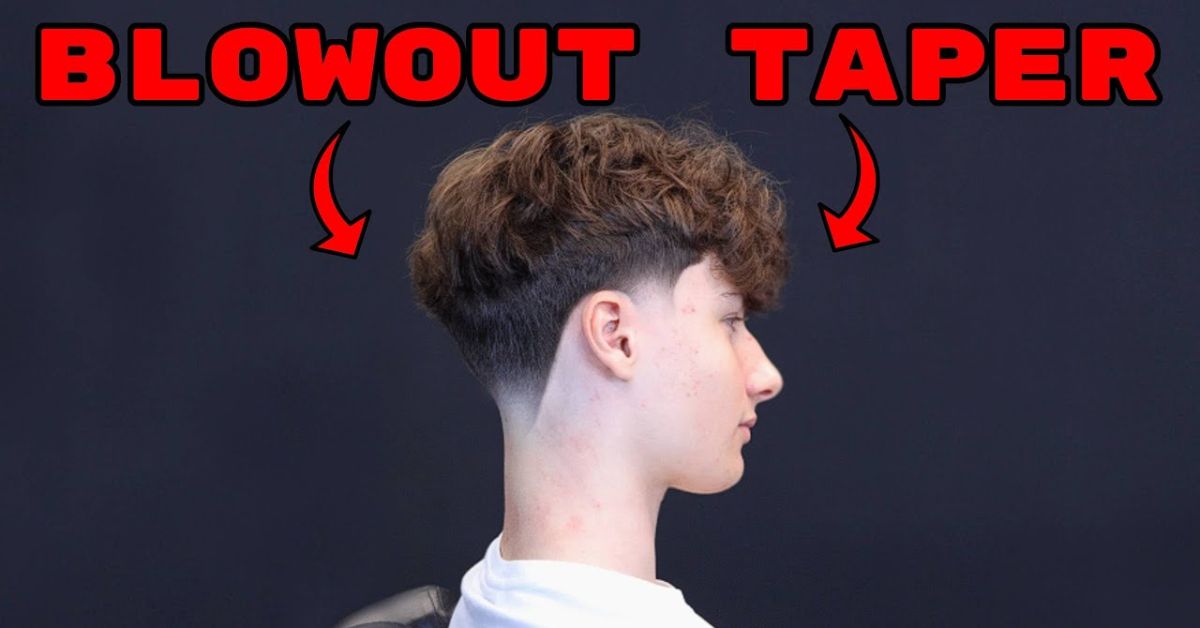
Blowout Taper Fade With Textured Fringe Volume-Forward Style
The blowout taper fade with textured fringe is a volume-first approach. A blowout haircut involves blow-drying the hair upward and outward to create significant lift and fullness. When paired with a textured fringe, the result is a style that feels full and expressive the fringe has body and bounce rather than lying flat against the forehead.
This variation suits men with naturally thick or wavy hair who want a voluminous fringe hairstyle with real presence. It requires a little more styling effort, but the payoff is a look that holds attention from every angle.
Low Skin Fade vs. Low Taper Fade as the Base
A skin fade and a low taper fade are related but not identical. A skin fade blends all the way down to the skin, leaving zero hair at the lowest point. A taper fade haircut stops short of the skin the hair gradually shortens but never fully disappears.
For the textured fringe style, either base works. The skin fade gives a sharper, higher-contrast finish. The taper fade feels more subtle and natural. For first-timers, the taper is an easier starting point.
Does a Low Taper Fade With Textured Fringe Suit Your Hair Type?
Hair type is arguably the most important factor in how a textured fringe behaves. The same cut can look completely different depending on the natural texture, density, and behaviour of your hair. Here’s what to expect across four common hair types.
Thick and Dense Hair Natural Texture Does the Heavy Lifting
If you have thick hair, a textured fringe for thick hair is one of your best options. The natural weight and density of thick hair means the fringe has enough body to hold its shape without much product.
The texturising process becomes essential here without removing some of that bulk through point-cutting or layering, the fringe will sit too heavy and lose its movement. A skilled barber will remove internal weight while keeping the surface length intact, giving you that effortless, piece-y finish.
Fine and Thin Hair How to Create the Illusion of Volume in the Fringe
Fine hair requires a different approach. The goal is to build the illusion of density, and this is where the blow-dry technique (covered in the styling section) becomes critical. A short textured fringe works particularly well for fine hair because less length means less weight pulling the fringe flat. Your barber should cut the fringe with minimal thinning fine hair doesn’t need bulk removed, it needs structure added through product and heat styling.
Wavy and Curly Hair Embracing Natural Movement in the Textured Fringe
Wavy and curly hair is a natural ally for this cut. The inherent texture of the hair means the fringe already has movement built in the cut simply channels it. A curly textured fringe taper fade works beautifully when the barber cuts the fringe while the hair is dry, which gives a more accurate representation of where the curl will actually sit. Cutting curly hair wet and then having it spring up shorter than expected is a common barbershop mistake, so ask specifically for a dry cut on the top section.
Straight Hair Product and Technique Hacks to Hold Texture
Textured fringe for straight hair requires the most intentional styling because straight hair naturally wants to lie flat and smooth. The answer is a combination of the right product (a matte clay or sea salt spray works well here) and a blow-dry that lifts the fringe at the root before it sets. Straight hair can hold texture well once it’s styled it just needs more deliberate effort to get there compared to wavy or thick hair types.
Face Shape Guide Getting the Fringe Length and Fall Right
The fringe is the part of this haircut that interacts most directly with your face, which means getting its length and direction right matters more than people realise.
Oval and Oblong Faces Virtually Any Fringe Length Works
An oval face is considered the most versatile shape for haircuts, and this holds true for the textured fringe. You can wear the fringe at brow level, slightly above it, or falling past the brow all work. Oblong (longer) faces benefit slightly from a fringe that falls at or below brow level, as it visually reduces the perceived length of the face.
Round Faces Go Longer and More Asymmetric With the Fringe
Round faces benefit from height and asymmetry. A medium textured fringe that falls asymmetrically heavier on one side, lighter on the other creates a diagonal line across the forehead that visually slims a rounder face shape. Avoid a very short, symmetrical fringe here, as it can emphasise width rather than reduce it.
Square Faces Soft Textured Fringe to Balance a Strong Jawline
Square faces have strong, angular jaw and forehead lines. A soft, textured fringe acts as a counterbalance the choppy, layered ends introduce an organic softness that takes the edge off a very angular face. A messy textured fringe works particularly well here. Keep the fringe relaxed and allow it to fall naturally rather than styling it in a rigid direction.
Heart-Shaped Faces Keep the Fringe Mid-Length and Wispy
Heart-shaped faces are wider at the forehead and narrower at the chin. A mid-length, wispy textured fringe avoids adding more volume or width at the top, which would amplify the already-wide forehead. Keep the fringe lighter and allow some skin to show through the textured ends.
How to Ask Your Barber for a Low Taper Fade With Textured Fringe
Clear communication in the barber’s chair is a skill most people never develop and it’s the reason many men walk out with something different from what they pictured. Here’s how to get it right.
The Exact Words to Use
Start by naming the cut specifically: “I’d like a low taper fade with textured fringe.” Then add the details. Tell your barber where you want the taper to start “just above the ear” is standard for a low taper. Specify the blend: “I’d like it to blend gradually, not drop sharply.”
For the fringe, say: “I want the top left long enough to fall forward, and I’d like the fringe point-cut or texturised not blunt.” If you want a specific fringe length, give a reference point: “I want the fringe to land just above my eyebrows” or “I want it eye-grazing length.”
Fringe Length Reference
| Fringe Length | Where It Falls | Best For |
| Short | Above the brow by 1–2 cm | Fine hair, clean look |
| Mid-length | At the brow line | Most face shapes |
| Long / eye-grazing | At or past the eye | Thick, wavy, or curly hair |
| Curtain-style | Past the eye, parted centrally | Oval and oblong faces |
Scissor-Cut vs. Clipper-Textured Fringe
A scissor-cut fringe gives more precision and is better for creating defined, piece-y texture. A clipper-textured finish is faster and works well for very short fringes. For most versions of this style, request scissors specifically point-cutting or slide-cutting as these techniques give the most natural movement and avoid that “stepped” look that straight-across scissor cuts can produce.
Reference Photo Checklist
When saving reference images, look for photos that show: the same hair texture as yours, a clear shot of the side profile (so you can see the fade height), and a photo taken on a non-styled, natural day not a runway or editorial shot where the hair has been heavily set. A realistic reference saves more confusion than the most detailed verbal description.
How to Style a Low Taper Fade With Textured Fringe at Home
Styling this cut well at home is achievable with the right sequence. Skip any step and the result suffers.
Towel-Dry to About 70% and Rough Up the Cuticle
Never apply product to soaking-wet hair it dilutes the hold and prevents the product from bonding properly. After washing, towel-dry until the hair is damp but not dripping. Rough up the cuticle slightly with the towel to give the hair some initial texture to work with.
Choose Your Product Based on Hold Level and Finish
Match the product to your goal. For a natural, matte finish, a matte clay gives strong hold without shine. For volume and a casual look, a sea salt spray adds grit and separation.
For fine hair that needs body without weight, a styling cream is the most forgiving. Apply a small amount less than you think you need.
Blow-Dry Technique to Build Fringe Volume and Direction
This is the step that makes the biggest difference. Direct the fringe forward and slightly upward as you blow-dry not straight back. Use a medium heat setting and a nozzle attachment if you have one. Lift the fringe at the root with your fingers while directing the airflow from underneath. This builds height and forward momentum that holds even after the hair cools.
Break Up the Fringe With Fingertips, Not a Comb
Once the hair is 90% dry, use your fingertips to separate and break up the fringe into individual sections. A comb creates too much uniformity and removes the textured effect. Pinch small sections and pull them slightly forward or to the side to create that piece-y, layered look.
Lock In With a Light-Hold Spray or Texture Powder
To extend the life of the style, finish with a light-hold spray or a small amount of texturising powder pressed into the roots of the fringe. The powder adds grip and volume at the base, which prevents the fringe from going flat as the day progresses.
Best Products for a Textured Fringe Low Taper Fade
Choosing the wrong product is the fastest way to ruin a well-cut textured fringe low taper fade. Each product type serves a different hair need.
Matte clay is the workhorse of this style. It provides strong hold, no shine, and lets you rework the style throughout the day. It’s the most forgiving option for most hair types. Sea salt spray is a pre-styler rather than a finishing product apply it to damp hair before blow-drying to add grit and boost the natural-looking texture the cut is built on. For men with fine or delicate hair, a styling cream offers light hold without stiffness, keeping the fringe soft and moveable.
Texture powder is the secret weapon for flat fringes a pinch pressed into the roots gives instant volume and grip without any heaviness. Finally, a light pomade specifically a water-based one works for men who want a slightly more polished version of this look with just a hint of sheen rather than a full matte finish.
How to Maintain a Low Taper Fade With Textured Fringe Between Cuts
The low taper is a clean, precise cut and that precision has a short shelf life without upkeep. Here’s how to extend the life of the style.
How Often to Book a Barber Visit
For the taper to look sharp, most men need a visit every 3 to 4 weeks. The fade is the first part to lose definition as hair grows back, and once the taper blends into the sides, the whole cut starts to look unkempt. The fringe can go slightly longer between cuts closer to 5 or 6 weeks because a little extra length in the fringe often improves rather than hurts the texture.
At-Home Neck and Sideburn Cleanup
Between barber visits, a simple trimmer can keep the neckline and sideburn areas clean without affecting the fade. However, avoid attempting to touch up the fade itself the blending technique used by barbers is difficult to replicate at home, and a misplaced clipper run can disrupt the entire gradient.
How to Grow Out a Textured Fringe Without Losing the Style
One of the most overlooked aspects of this cut is the grow-out phase. As the fringe gets longer, it naturally starts to feel heavier and less textured. The solution is to keep using texturising products and blow-dry technique to maintain movement.
At a certain length, the fringe transitions naturally into a curtain fringe or a longer modern fringe hairstyle both of which are entirely wearable and require only a trim to reshape rather than a full restyle.
Washing Frequency and the Right Shampoo
Washing your hair every day strips the natural oils that give textured hair its grip and definition. For most men, washing 2 to 3 times per week is the sweet spot. On non-wash days, a dry shampoo adds volume and absorbs excess oil at the roots particularly useful for fine hair. If you use clay or wax products daily, make sure your shampoo is strong enough to fully remove product build-up; a clarifying shampoo once a week prevents residue from weighing the fringe down.
Low Taper Fade With Textured Fringe vs. Similar Styles What’s the Difference?
Understanding how this cut relates to similar styles helps you confirm you’re asking for the right thing and helps you explore alternatives if you want something slightly different.
Low Taper Fade With Textured Fringe vs. Mid Taper Fade With Textured Fringe
The primary difference is fade height and contrast. The mid taper fade textured fringe combination starts the fade higher up the head, creating more visible separation between the sides and the top.
If you want more drama and a more contemporary, bold look, move to a mid taper. If you want something more understated and versatile easier to wear in both casual and professional settings stay with the low taper.
Low Taper Fade With Textured Fringe vs. French Crop
The French crop is a close relative. Both feature short, textured hair on top with faded or tapered sides. The key difference is direction: a French crop typically has a fringe that sits more horizontally across the forehead with a defined, often blunt front edge.
The textured fringe on a low taper fade is more forward-falling and less structured it moves rather than sits in a fixed position. Think of the French crop as the more geometric sibling.
Low Taper Fade With Textured Fringe vs. Textured Crop
A textured crop haircut refers to the overall cut of the top section short on back and sides, cropped and textured on top. The taper fade is the technique used on the sides. These terms often overlap in real-world use. When you ask for a textured crop with a low taper fade, you’re essentially asking for this same style the terminology just approaches it from the top-down rather than the sides-up.
Low Taper Fade With Textured Fringe vs. Blowout Fade With Fringe
A blowout prioritises volume above all else. The blowout taper fade with textured fringe is a more dramatic, statement-making version of this style more height, more presence, more product.
The standard low taper version is flatter, more relaxed, and easier to maintain. Choose the blowout variation if your natural hair has significant volume potential and you’re willing to spend an extra few minutes styling each morning.
Frequently Asked Questions
Is a low taper fade with textured fringe suitable for professional settings?
Yes in most professional environments, this is one of the most office-compatible modern haircuts available. The low taper is subtle enough that it doesn’t read as extreme or edgy. The textured fringe, while contemporary, is far from outlandish.
The key is keeping the fringe at a moderate length (at or above brow level) and styling it neatly rather than with a deliberately dishevelled finish. For more conservative workplaces, a slightly longer fringe styled with a light hold product is perfectly appropriate.
How long does the top need to be before you can get a textured fringe?
The minimum length needed to create a proper textured fringe is around 4 to 5 centimetres on top. Below that, there isn’t enough length to point-cut and still have the fringe fall forward with visible texture. That said, a short textured fringe closer to 3 to 4 centimetres can work if you want a very cropped, minimal version of the style. Discuss your starting length with your barber so they can advise based on your current growth.
Does a textured fringe require high-maintenance styling every day?
Not necessarily. Once you’ve established the right product routine and blow-dry technique, styling takes most men between 3 and 7 minutes. Men with naturally wavy or thick hair often need minimal product the natural texture does most of the work.
Straight, fine hair requires a little more effort but is still far quicker to style than longer or more complex cuts. The investment in a good product (particularly a matte clay or texturising powder) significantly reduces daily effort.
Can you combine a low taper fade with textured fringe and a design?
Yes, and it’s increasingly popular. A barbering design a line, geometric pattern, or part shaved into the fade can be added alongside the low taper without disrupting the fringe. The design typically sits above or within the fade zone, near the temple. It adds a visual detail that elevates the cut further. Keep in mind that designs require even more frequent barber visits typically every 2 to 3 weeks to stay sharp as the surrounding hair grows back.
What’s the difference between a textured fringe and a blowout fringe?
A textured fringe focuses on the ends the tips of the hair are cut unevenly to create a choppy, piece-y look with visible movement. A blowout fringe focuses on volume the fringe is blow-dried upward and outward to create significant lift and fullness.
The two techniques can overlap: you can have a textured fringe that’s also blow-dried for volume. However, a blowout fringe without texturising tends to look fuller and more uniform, while a textured fringe without volume work looks flatter and more relaxed.
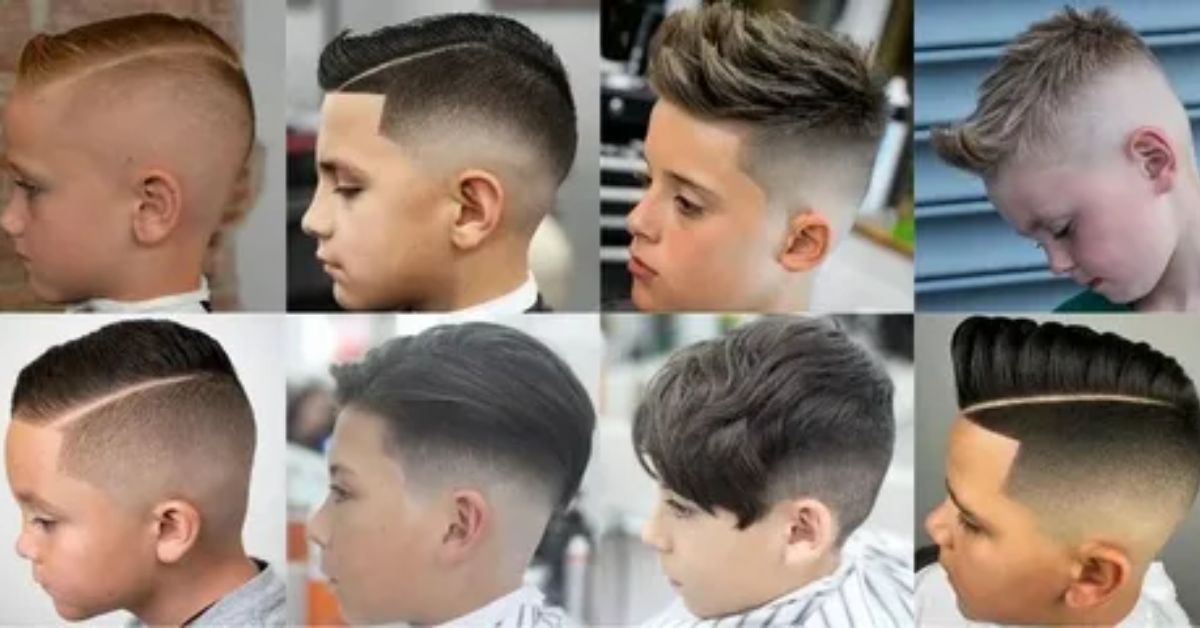
Is a low taper fade with textured fringe good for teenagers?
Absolutely. The textured fringe hairstyle for teenagers has been one of the most searched youth haircut styles in recent years, driven heavily by social media and platform hair content.
It’s an adaptable cut that works across different school and social environments, is relatively easy to maintain, and can be dialled up or down in terms of boldness by adjusting the taper height and fringe length. It’s a strong first “real” barbershop cut for younger men exploring their personal style.
Conclusion
The low taper fade with textured fringe earns its popularity because it solves something genuinely difficult in men’s haircuts: balancing sharpness with ease. The fade provides clean, precise structure on the sides. The textured fringe adds personality, movement, and a contemporary edge on top. Together, they create a haircut that reads as intentional without looking overdone.
To get the most out of this style, pick the variation that matches your hair type whether that’s a mid taper for more contrast, a blowout version for volume, or the classic low taper for everyday versatility. Use the barber communication tips in this guide to get exactly what you picture, and invest a few minutes each morning in the styling routine. This is not a high-maintenance cut, but it does reward a little effort.
Your next step is simple: find a reference photo that matches your hair type and the taper height you want, bring it to your barber, and use the exact language from the barber section above. A clear brief produces a great result, every time.