Blowout Taper Fade Every Style, Hair Type, and Variation Explained
The blowout taper fade is one of the most versatile and widely requested haircuts in modern barbering and for good reason. It combines voluminous, lifted hair on top with clean, precise fading on the sides, creating a contrast that works across hair types, face shapes, and personal styles.
Whether you want something polished and sharp or loose and textured, this haircut adapts. This guide covers every major variation, explains how to choose the right one for your hair type and face shape, and gives you the exact language to use when you sit in the barber’s chair.
What Is a Blowout Taper Fade And How Is It Different From a Regular Fade?
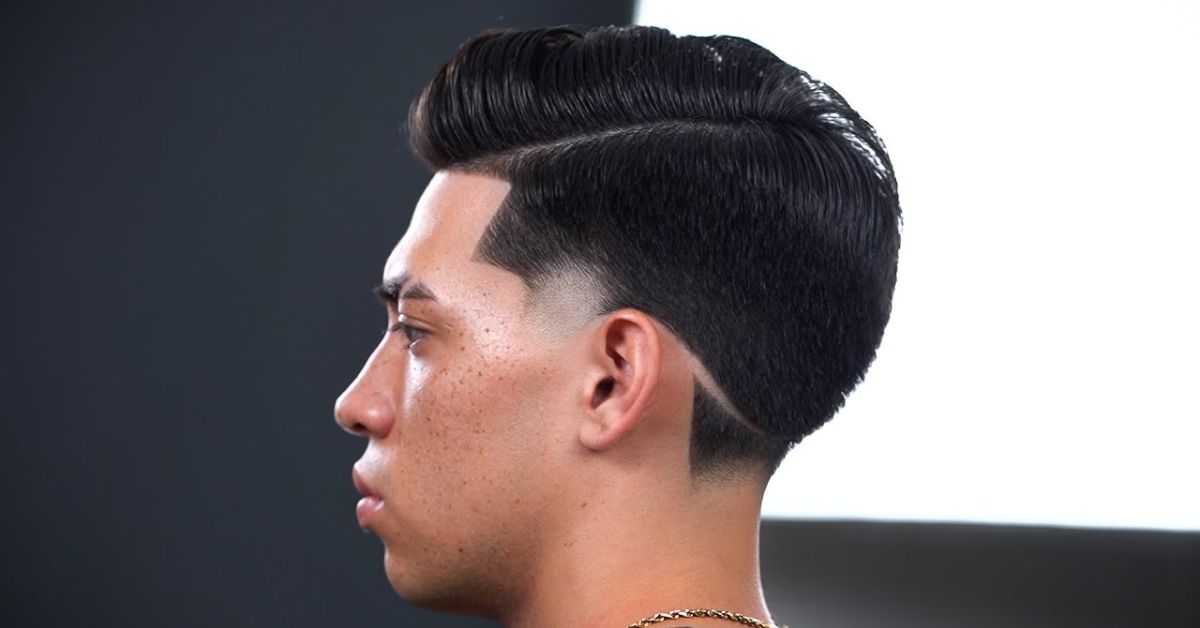
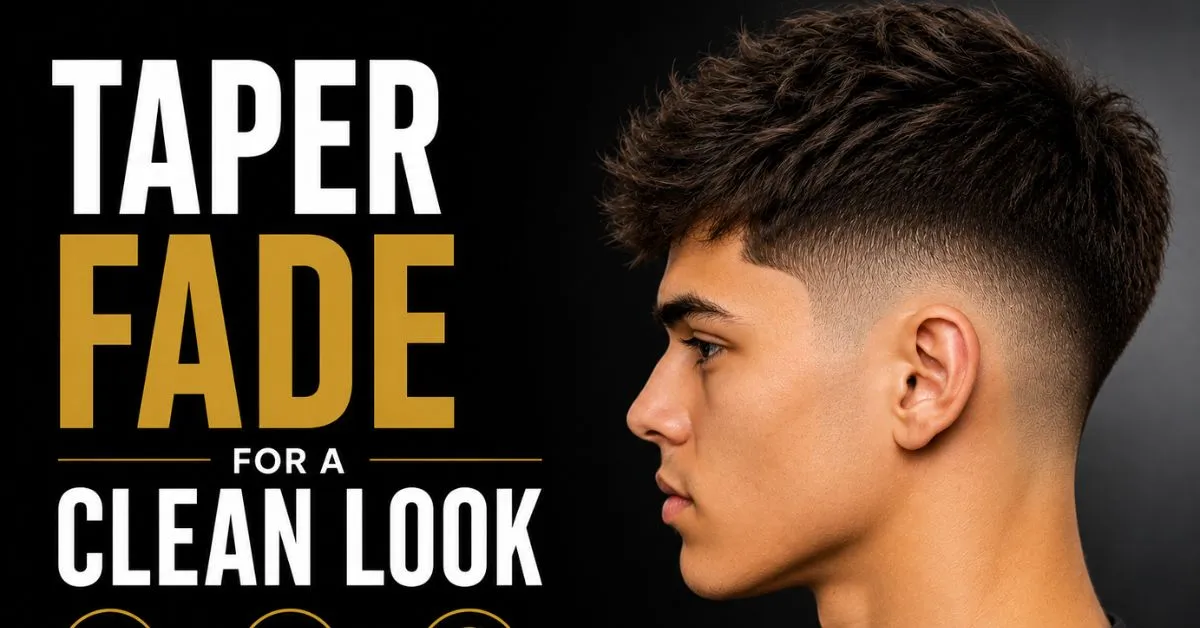
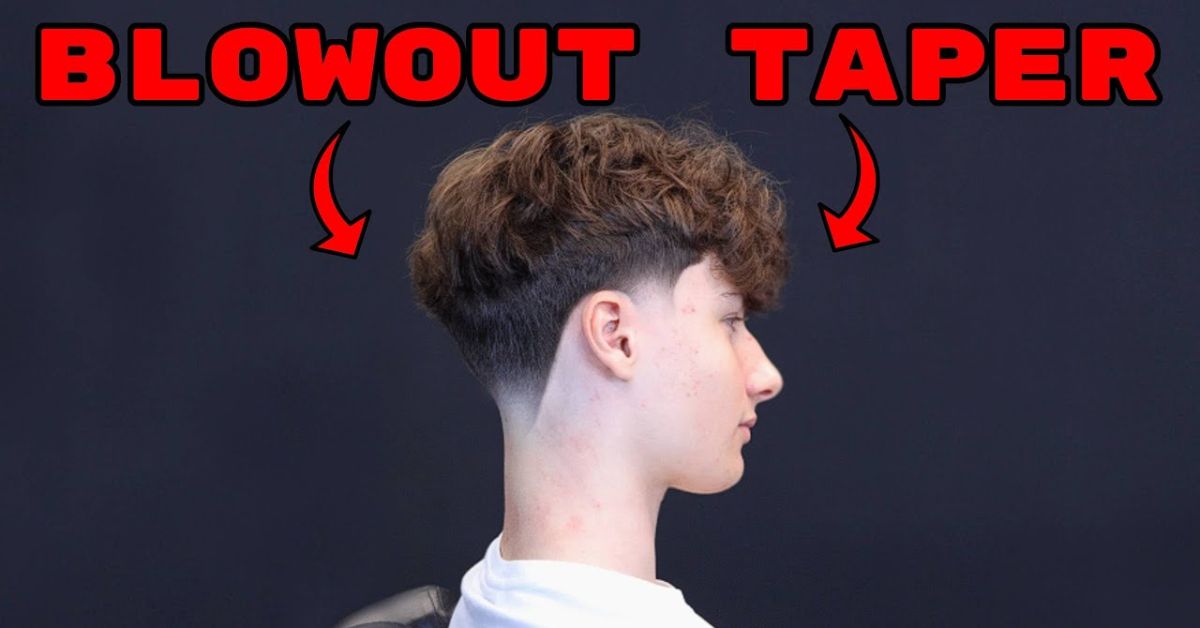
At its core, a blowout fade haircut is defined by two things: volume on top and a gradual fade on the sides. The “blowout” refers to the lifted, full appearance of the hair above the temples usually achieved with a blow-dryer, a round brush, and a volumizing product. The “taper fade” refers to the gradual shortening of the hair from the top of the sides down toward the neckline and ears, blending seamlessly into the skin or a very short length.
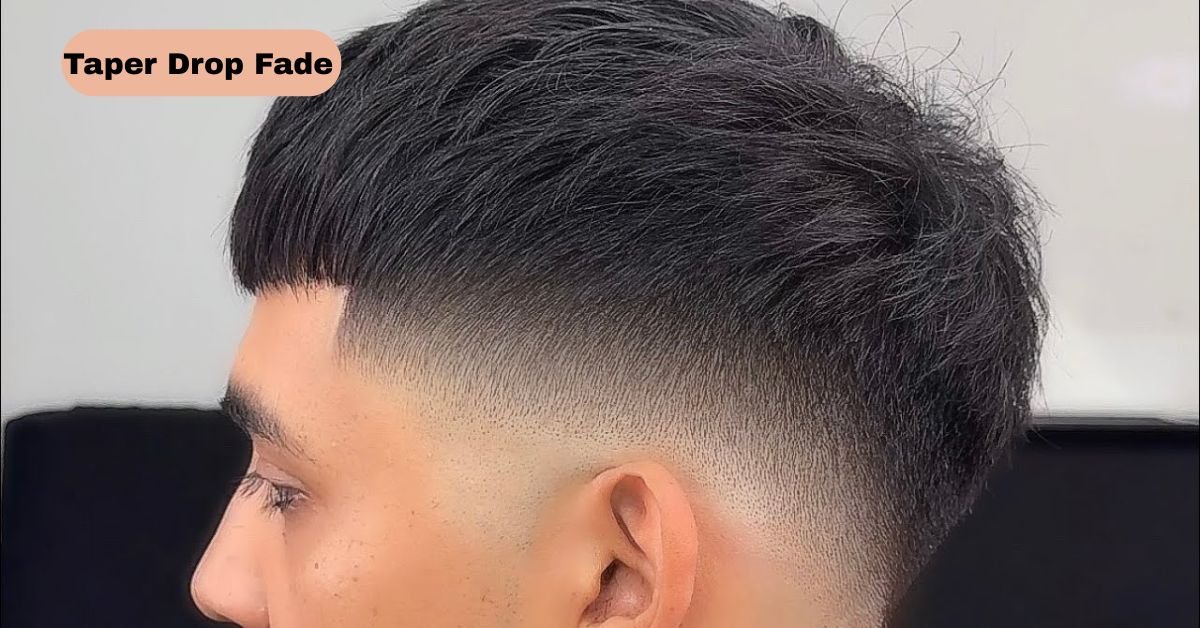
This is where many people confuse the terminology. A taper shortens hair gradually over a longer distance typically from just below the crown to the neckline while a fade brings the hair down to skin level or very close to it, usually starting higher up and creating a sharper transition. A taper fade combines both: it blends with the precision of a fade and the gradual length shift of a taper. When you add the blowout element on top, you get a modern men’s hairstyle that’s simultaneously clean and expressive.
It’s also worth separating the blowout as a cut from the blowout as a style. Some people use the term to describe only the blow-dry styling technique the act of using heat and airflow to add volume. In barbering, however, a blowout haircut specifically refers to the shaped, built-up length on top that holds volume naturally even without intensive daily styling.
That distinction matters when you’re communicating with your barber. If you ask for a “blowout style” without specifying the cut, you might walk out with the same length you came in with, just styled differently for that day.
The Anatomy of a Blowout Cut (Volume on Top vs. Faded Sides)
The top section is where the blowout lives. Your barber leaves significant length usually between 2 and 4 inches and either texturizes it or keeps it uniform depending on your desired finish.
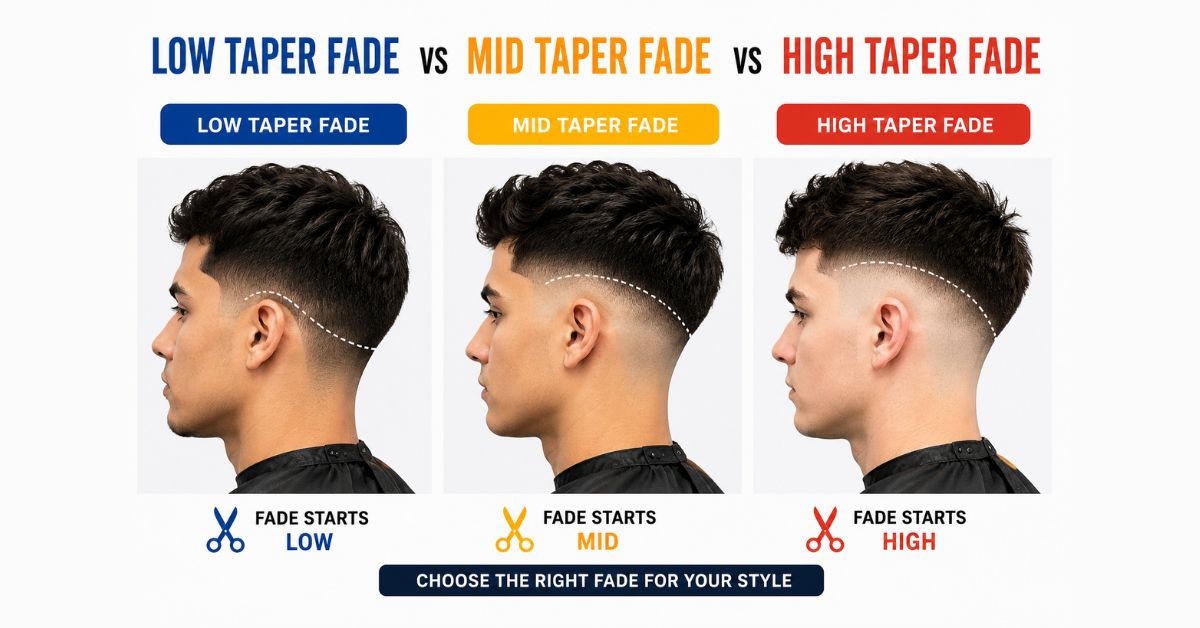
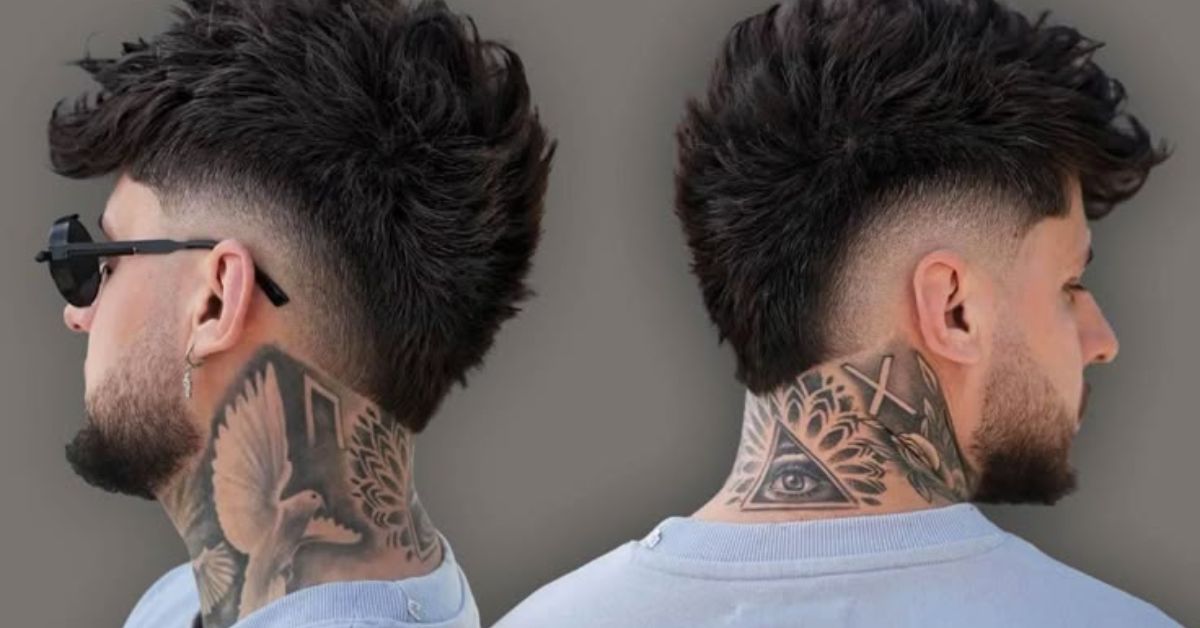
The sides are then faded, starting at a point that corresponds to your chosen fade level: low, mid, or high. The contrast between the full top and the tight sides is what gives the blowout taper its distinctive, high-impact silhouette.
The transition zone the area where the top length meets the faded sides is what separates a great blowout taper from an average one. A skilled barber blends this area with care, avoiding a harsh shelf or an uneven line. This blending skill is one reason why choosing an experienced barber matters more for this cut than for simpler styles.
Blowout Taper Fade Styles for Every Hair Type
One of the biggest reasons the blowout taper fade has sustained its popularity is that it genuinely works across different hair textures. That said, the approach changes significantly depending on what you’re working with. Understanding how your hair type affects the outcome helps you set realistic expectations and make smarter choices about variations.
Blowout Taper Fade for Straight Hair Sleek, Sharp, and Low-Maintenance
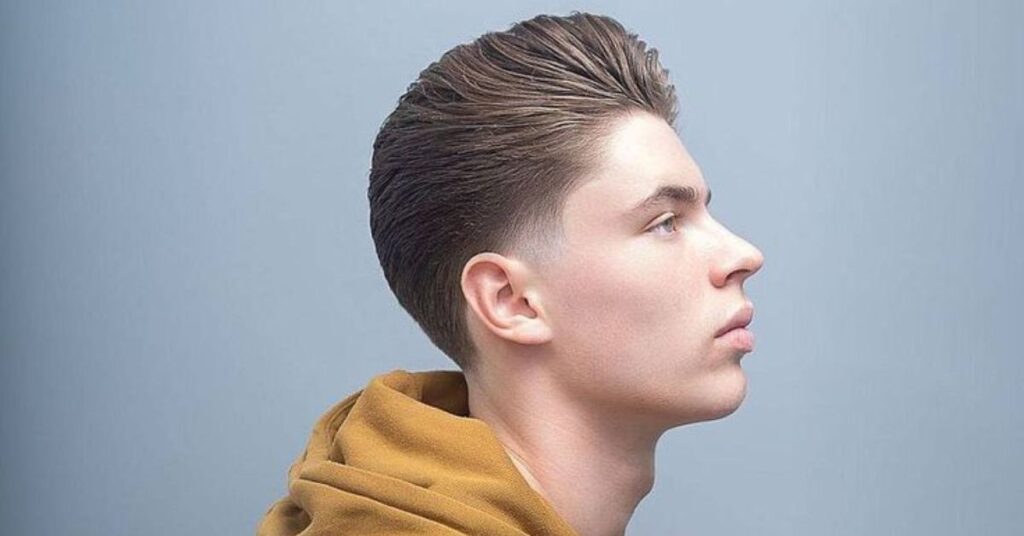
Blowout taper fade straight hair styles tend to look the most polished and graphic. Because straight hair lies flat without manipulation, the volume on top needs to be built deliberately either through the blow-dry technique itself or by keeping enough length for the hair to hold its shape.
The result is typically a very clean, defined silhouette where the separation between the top and the faded sides reads clearly. This variation is ideal if you want a sharp, structured look that’s easy to recreate at home with a round brush and a light-hold product.
Blowout Low Taper Fade for Curly Hair How to Keep Definition and Volume
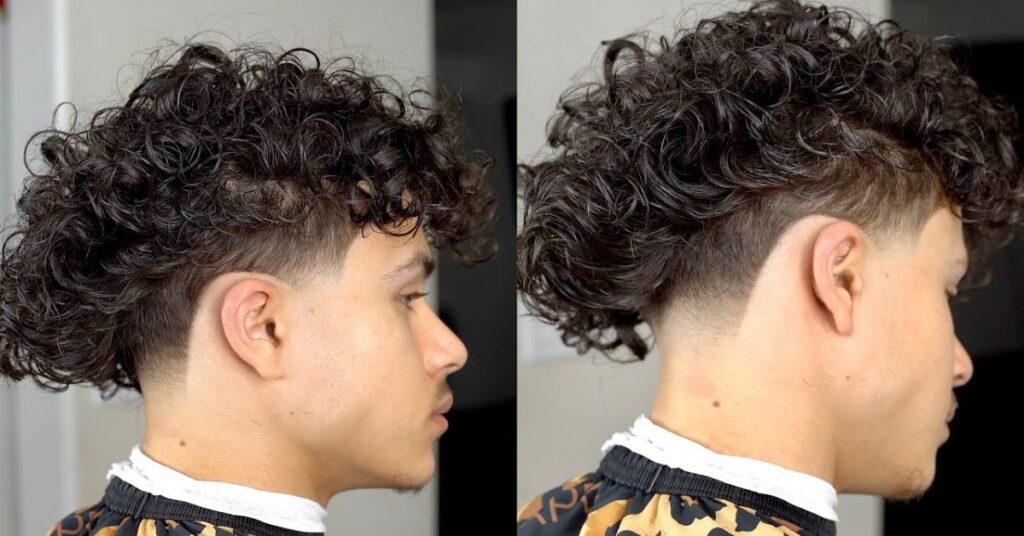
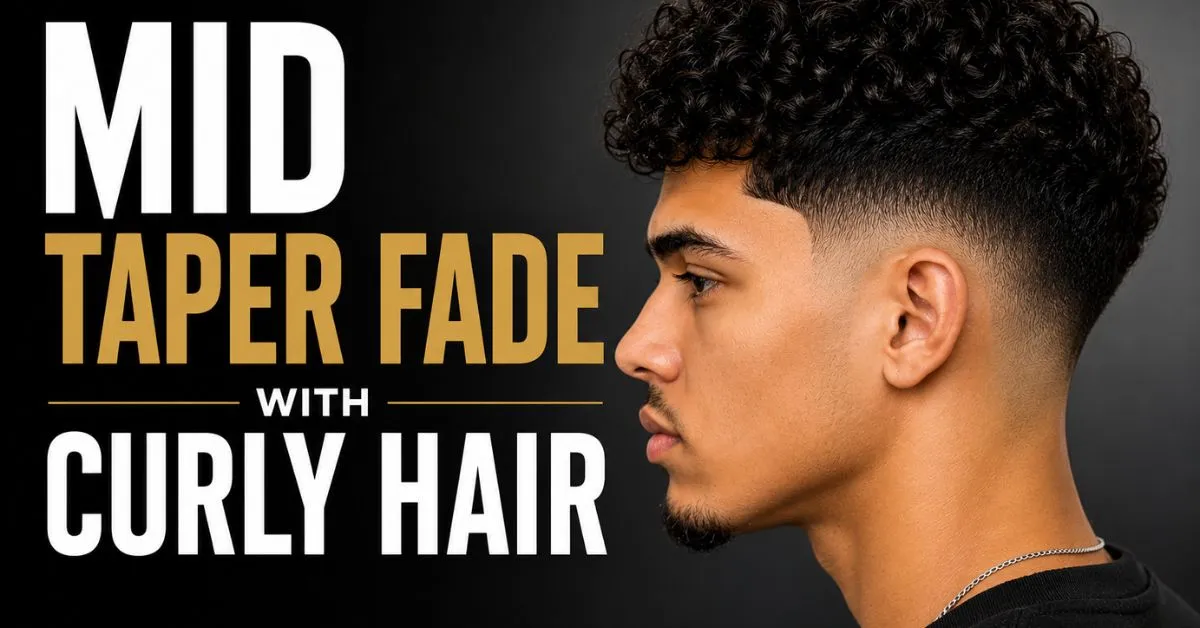
Blowout low taper fade curly hair styles are among the most requested variations right now, and with good reason. Curly hair already carries natural volume, so the blowout effect comes more easily but it also requires more attention to moisture and definition.
A low taper blowout works well here because it keeps more length on the sides, reducing the risk of the fade looking too harsh against tightly coiled or voluminous curls. The key is keeping the top hydrated. Curly hair that’s properly conditioned holds its shape and bounce far better than dry or brittle hair, which tends to puff unevenly and lose definition quickly.
For tighter curl patterns, your barber may use a pick or a diffuser attachment to lift the curls at the root during styling, creating the “blown out” effect without straightening the texture. This preserves the natural pattern while adding the lifted, rounded silhouette that defines the cut.
Blowout Taper Fade for Wavy Hair Enhancing Natural Texture Without Frizz
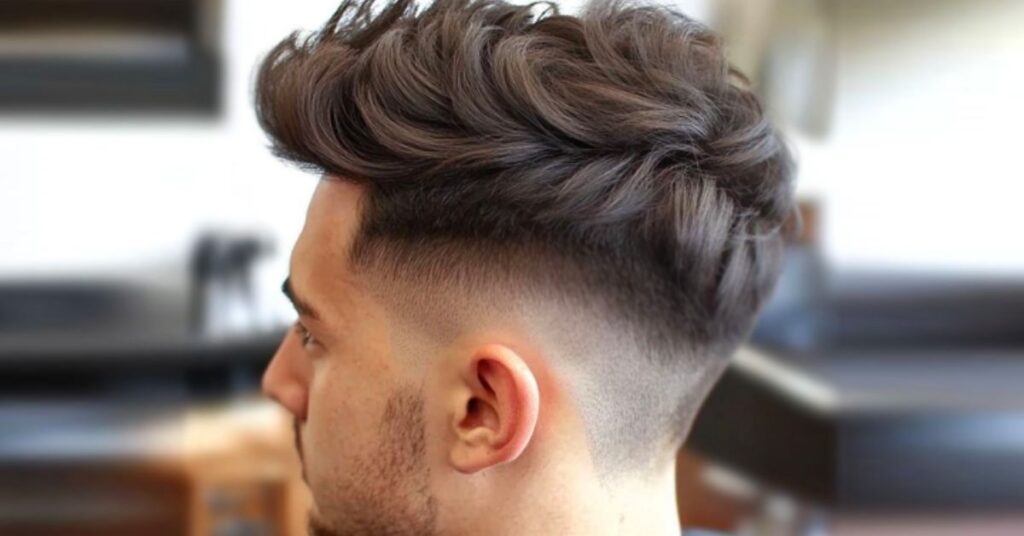
Wavy hair sits in a sweet spot: it carries enough natural movement to create effortless texture on top, but it’s manageable enough to style in multiple directions. A textured blowout fade works particularly well on wavy hair because the waves add visual interest to the top section without requiring heavy product.
The main challenge is frizz, especially in humid conditions. A lightweight anti-humidity serum applied before blow-drying can make a significant difference in how long the style holds.
Blowout Taper Fade for Thick and Coarse Hair Managing Bulk at the Top
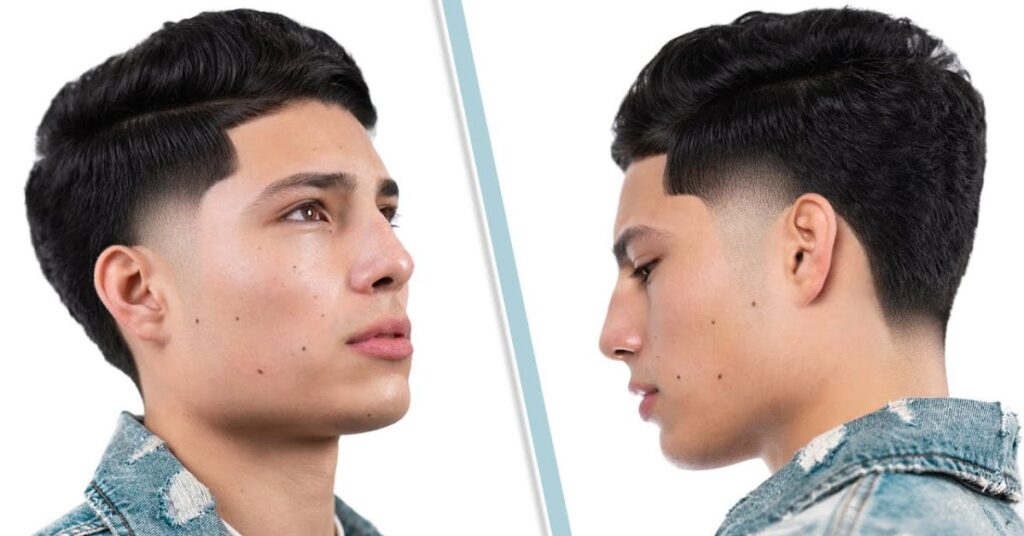
Thick hair gives you natural volume without much effort, but it can become overwhelming if the top is left too long or too dense. With a voluminous taper fade on thick hair, the barber often thins out the interior of the top section using texturizing shears.
This removes bulk without reducing visible length, keeping the silhouette full but controlled. The fade on the sides needs to be clean and precise to balance the density on top a sloppy or rushed blend will look uneven against thick, coarse hair.
Blowout Taper Fade for Fine or Thin Hair Building the Illusion of Volume
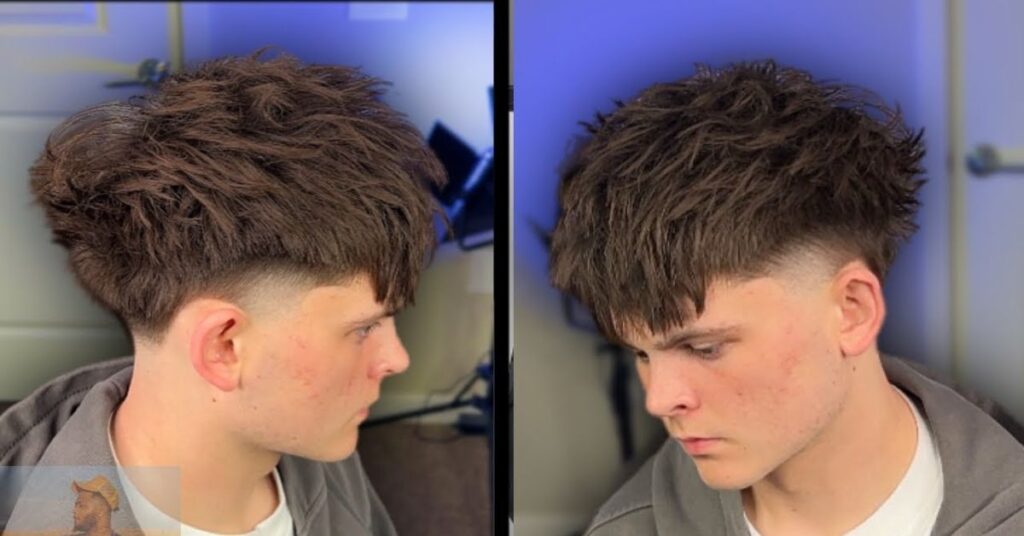
Fine hair is the hair type most people assume can’t pull off a blowout taper. That assumption is wrong. With the right technique, fine hair can carry significant visual volume. The key is in the blow-dry method: using a round brush to lift the roots while directing airflow downward along the hair shaft rather than against it prevents flyaways and builds structure at the base.
A thickening spray applied to damp hair before drying adds body and grip. Your barber should also keep more length on top than you might expect, because fine hair can appear thinner when cut too short.
The Complete Gallery Every Blowout Taper Fade Variation
The blowout taper fade isn’t a single haircut it’s a framework. The variation comes from three main factors: the fade level (low, mid, or high), the top style (slick, textured, parted, or fringed), and optional add-ons like designs, perms, or disconnected lines. Here’s a breakdown of every major variation worth knowing.
Low Blowout Taper Fade The Clean, Professional Choice
A low blowout taper fade starts the fade just above the ear and at the nape of the neck. The result is a subtle transition that keeps more hair on the sides, making the overall look more conservative and workplace-appropriate. This is the variation most often requested by professionals who want a stylish cut that doesn’t read as too bold. The low taper blowout fade also works particularly well as a first attempt at the style if you’re unsure how much contrast you want.
Mid Blowout Taper Fade The Balanced, Everyday Style
The mid blowout taper fade sits at the midpoint of the head, roughly level with the top of the ear. This is the most common and versatile fade level it creates a noticeable contrast without going to extremes. The blowout mid taper fade suits most face shapes and hair types, which is why it dominates barber portfolios. It’s the default recommendation for most people trying the style for the first time.
High Blowout Taper Fade Maximum Contrast and Bold Volume
Starting the fade at or above the temples, a high blowout taper fade creates the sharpest contrast between top and sides. The volume on top looks dramatically elevated against the tight fade below. This variation is bold and eye-catching, best suited for those who want a statement look. It requires more frequent maintenance typically every 2 to 3 weeks to keep the fade looking clean.
Blowout Taper Fade with Textured Fringe Adding a Forward-Facing Edge
The blowout taper fade textured fringe style pushes the top volume forward rather than upward, creating a curtain of textured hair across the forehead. This variation works exceptionally well on straight and wavy hair and has strong contemporary appeal.
The fringe can be cut blunt for a structured finish or point-cut for a more broken-up, relaxed texture. [Internal Link: article about men’s fringe haircuts and how to style them]
Mid Part, Slick Back, and Classic Variations
A blowout taper fade with a middle part divides the top volume symmetrically, creating a structured, fashion-forward look with a retro undertone. The slick back variation redirects all the top volume toward the crown and down the back of the head, giving a sleeker, more polished result that reads as mature and refined.
Blowout Afro Taper Fade Maximizing Natural Texture
The blowout afro taper fade preserves and amplifies natural afro texture on top while the sides taper down cleanly. A pick is used to lift the hair at the roots, creating a rounded, full shape. Moisture is critical here dry afro hair shrinks and loses definition. A leave-in conditioner and a light oil applied before picking keeps the hair responsive and prevents breakage during styling.
Blowout Taper Edgar, Mullet, and Perm Variations
The blowout taper Edgar cut pairs the blowout volume with a hard, straight-across fringe a bold, graphic look that’s particularly popular among younger audiences. The blowout taper mullet adds length at the back of the neck while keeping the sides faded and the top voluminous, creating a deliberate vintage-meets-modern contrast.
For those with naturally straight or minimally textured hair who want more curl, a blowout taper perm adds chemical wave to the top section, giving the blowout more body and a naturally textured appearance that’s easier to maintain than daily heat styling.
Disconnected Blowout Taper Fade High Contrast Without a Gradual Blend
A disconnected variation skips the gradual blending between the top and the faded sides, instead creating a visible line or shelf. The contrast is intentional and extreme. This variation demands precision and works best on those who want a very graphic, architectural silhouette.
Choosing the Right Blowout Taper Fade for Your Face Shape
Face shape is one of the most practical factors in choosing a blowout fade variation, yet it’s consistently underexplained. The goal of any great haircut is to create the appearance of an oval face shape considered the most balanced proportion by adding or subtracting visual height and width strategically.
Oval and Square Faces Which Fade Level Works Best
Oval faces are the most adaptable virtually every blowout taper variation works well. Square faces benefit from the added height that a mid or high fade provides, as it elongates the face slightly and draws attention upward. However, too much width on top can emphasize the jaw. Keep the top volume directed upward rather than outward for the most flattering result.
Round Faces How to Use the Blowout to Add Height and Length
Round faces need vertical emphasis. A high fade with significant top volume is ideal because it creates the visual impression of a longer, narrower face. Avoid adding width to the sides keep the top style directed upward and slightly inward at the edges. A skin taper blowout with a high start point works particularly well here.
Oblong and Diamond Faces Avoiding Too Much Top Volume
Oblong faces are already long and narrow, so excessive height on top exaggerates those proportions. A low to mid fade with controlled volume not too tall creates the most balanced result. Diamond faces, which are wide at the cheekbones and narrow at the forehead and jaw, can benefit from a fluffy blowout haircut with moderate width on top to balance the prominent cheekbones.
How to Ask Your Barber for a Blowout Taper Fade (And Get It Right Every Time)
Poor communication is the number one reason people leave the barber disappointed. The good news is that a few specific phrases make all the difference.
The Exact Phrases to Use
Start with the fade level: say “low,” “mid,” or “high” taper fade, and specify how short you want the sides at their shortest “down to skin,” “down to a one guard,” or “down to a two guard.” Then describe the top: specify the length you want to keep, the direction you want the volume (up, forward, or back), and the finish you prefer (textured, smooth, or natural).
For example: “I want a mid taper fade, skin on the sides, about 3 inches on top, blown out upward with some texture.” That single sentence gives your barber every measurement they need.
Reference photos are genuinely useful bring two or three that show different angles if possible. However, be honest with your barber about your hair type. A photo of a curly blowout on someone with very different hair won’t translate directly to your result. A good barber will tell you what’s achievable and suggest the closest adaptation. [Internal Link: article about how to communicate with your barber effectively]
Questions to Ask Before the First Cut
Ask your barber how much length they recommend keeping based on your hair type. Ask whether they think a low, mid, or high fade will suit your face shape. Ask what products they recommend for your specific texture. These aren’t difficult questions, and any experienced barber will welcome them it shows you’re engaged and helps them deliver exactly what you want.
How to Style a Blowout Taper Fade at Home Step-by-Step
Styling a blowout haircut men at home is genuinely achievable with the right tools and technique. The common mistake is focusing on the product first. Technique matters more.
Blow-Dry Technique The Foundation of the Style
Start with hair that’s about 80% dry after washing. Fully wet hair is too heavy to hold a shape during styling. Apply a thickening spray or volumizing mousse evenly from roots to mid-lengths, then begin blow-drying. Use a round brush medium or large depending on your hair length and work in sections. Place the brush at the root, direct the airflow downward along the hair shaft, and roll the brush away from the scalp as you go. This root-lifting motion is where the volume comes from.
For a forward fringe, direct the brush toward the forehead while applying heat. For a slick back or upward volume, direct the brush toward the crown. Once a section is fully dry and shaped, move to the next. Finish with a blast of cool air from the dryer this sets the shape and adds shine.
Heat Protection A Step Most People Skip
Heat damage is cumulative. Repeated blow-drying without protection weakens the hair shaft over time, leading to dryness, breakage, and a loss of the natural texture that makes this cut look its best. A lightweight heat protectant spray applied before blow-drying is one of the most underused grooming products. It doesn’t add weight or stiffness it simply reduces the temperature damage to the hair’s outer layer.
Locking In the Style: Product Choices That Actually Work
Molding paste and texture clay are the most effective finishing products for a blowout taper. They add definition and hold without the stiffness or shine of traditional pomades, which can make the hair look wet rather than voluminous.
Apply a small amount about the size of a pea by rubbing it between your palms first to warm it up, then work it through the top section with your fingers, lifting at the roots as you go. For a cleaner, more polished finish, a medium-hold pomade applied with a comb gives a sleeker result. Avoid heavy waxes or gels, which weigh the hair down and collapse the volume you just built.
Best Products for a Blowout Taper Fade
Product choice shapes the final result as much as the cut itself. Here’s a practical breakdown by hair type and desired finish.
| Product Type | Best For | Finish |
| Thickening spray | Fine or thin hair | Adds body before blow-drying |
| Texture clay | Thick, straight, or wavy hair | Matte, natural hold |
| Molding paste | Most hair types | Light shine, flexible hold |
| Lightweight pomade | Straight or low-texture hair | Medium shine, clean finish |
| Leave-in conditioner | Curly or afro hair | Moisture, definition |
| Heat protectant spray | All hair types | Prevents blow-dry damage |
One practical note: less is always more with styling products on a blowout taper. Too much product defeats the purpose you’re trying to build volume, and heavy product collapses it. Start with less than you think you need and add gradually.
Maintaining a Blowout Taper Fade How to Keep It Looking Sharp
A well-executed blowout taper fade looks its best immediately after the barber chair. Keeping it close to that standard between visits takes some deliberate effort.
How Often Should You Get a Trim?
The fade portion of the cut grows out faster than the top. A high fade typically needs a touch-up every 2 to 3 weeks, while a low or mid fade can hold its shape for 3 to 4 weeks before it starts looking overgrown. If you’re on a tighter schedule or budget, a low taper fade is more forgiving it takes longer to look obviously grown out. [Internal Link: article about how often men should get a haircut based on style]
How to Refresh Volume Between Barber Visits
On days when the style needs a refresh without a full wash and blow-dry, a small amount of texture clay or a light dry shampoo applied at the roots can revive the volume. Work it in with your fingers and use the blow-dryer on a low heat setting for 60 to 90 seconds to reactive the shape.
This technique works well for straight and wavy hair. Curly hair responds better to a water spray bottle misting the top lightly and scrunching to re-activate the curl pattern, then diffusing on low heat.
Managing the Grow-Out Phase
Most haircut guides skip the grow-out phase entirely, which is where a lot of frustration happens. As a blowout taper grows out, the fade becomes less defined first the sides look softer and less precise.
The top, however, can actually look better for a few weeks as it gains more length and weight. If you’re transitioning to a longer style, this is a natural moment to let the top grow while getting the sides cleaned up more frequently to keep the fade sharp even as the overall shape evolves.
Frequently Asked Questions
What exactly is a blowout taper fade?
A blowout taper fade is a men’s haircut that combines significant volume and length on top styled to appear lifted and full with a gradual fade on the sides and back that blends down to a shorter length or skin. The top is typically styled using a blow-dryer and a round brush to build the characteristic lifted shape.
What is the difference between a blowout taper fade and a regular taper fade?
A regular taper fade gradually shortens the hair from the crown to the neckline without necessarily building volume on top.
The blowout taper fade specifically emphasizes lifted, voluminous hair above the temples as a central design element. The fade technique can be identical in both what separates them is the intentional volume built into the top section.
Can a blowout taper fade work for curly or coily hair?
Yes and for many people with curly or coily hair, the blowout taper is an excellent choice. The natural texture already provides volume, so the blowout effect comes more easily.
The key adjustments are moisture management, choosing a low to mid fade to avoid harsh contrast, and using a pick or diffuser rather than a round brush during styling to preserve curl definition.
How long does a blowout taper fade last before needing a touch-up?
The fade portion grows out faster than the top. A high fade typically needs a refresh every 2 to 3 weeks. A low or mid fade can last 3 to 4 weeks before it loses its definition. The top section generally looks good for 4 to 6 weeks before length or shape becomes a concern.
Can the blowout taper fade be paired with a beard?
Yes and the combination works well. A short to medium beard pairs naturally with a high or mid blowout taper, as the fade on the sides creates a visual connection between the beard and the hairline.
A longer, fuller beard tends to look better with a low taper, since the low fade preserves more hair on the sides and avoids creating too much negative space between the beard and the hairline.
Is a blowout taper fade suitable for fine or thinning hair?
It is, with the right approach. Fine hair requires a strong blow-dry technique focused on root lift, a thickening spray applied before drying, and enough length on top to create visual density.
A low to mid fade keeps more hair on the sides, which balances the look without exposing too much scalp. The blowout actually helps fine hair appear fuller than it does in shorter, lower-volume styles.
Conclusion
The blowout taper fade earns its reputation as one of the most adaptable haircuts available. It works across hair types from straight and fine to curly and coarse and it scales from subtle and professional to bold and expressive depending on the fade level and top styling you choose.
The difference between a good result and a great one comes down to three things: knowing which variation suits your hair type and face shape, communicating clearly with a skilled barber, and using the right technique when you style it at home.
If you’re trying the blowout taper for the first time, a mid fade is the safest starting point it offers clear contrast without commitment to an extreme look, and it gives you a solid foundation to adjust from. Once you know what you like, you can dial it up or down at your next visit.
Your next step is simple: identify the variation from this guide that matches your hair type and face shape, save a reference photo, and walk into the barber with the specific language you need to ask for it clearly. The cut will take care of the rest.