Taper Drop Fade The Complete Guide to Styles, Skin Fades, Designs & Barber Terminology
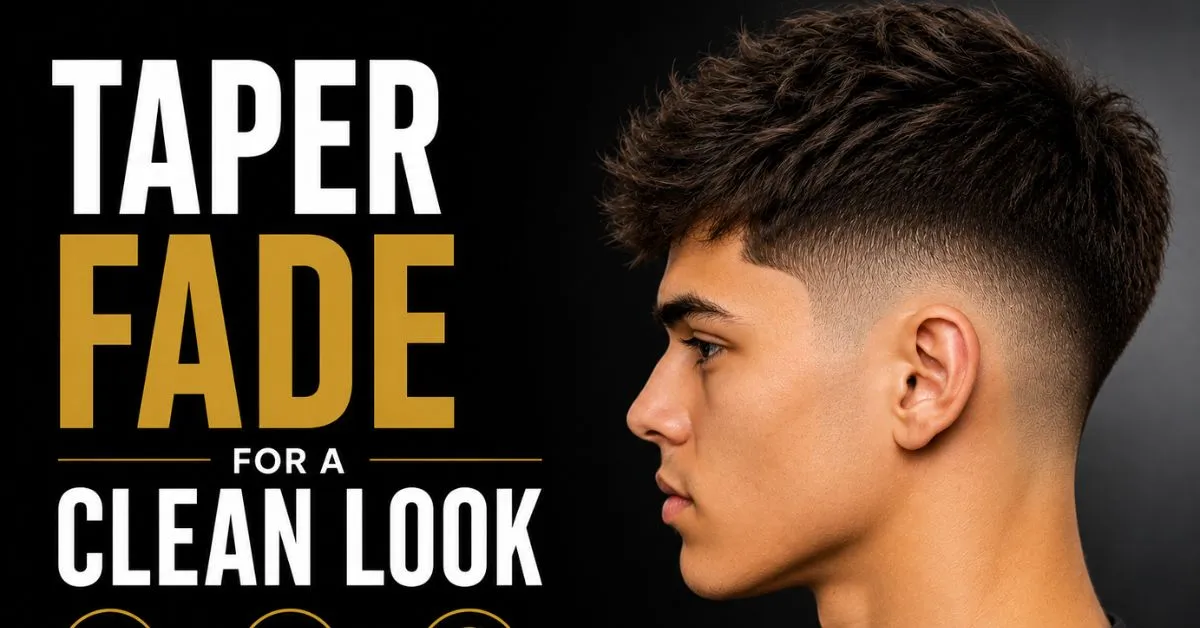
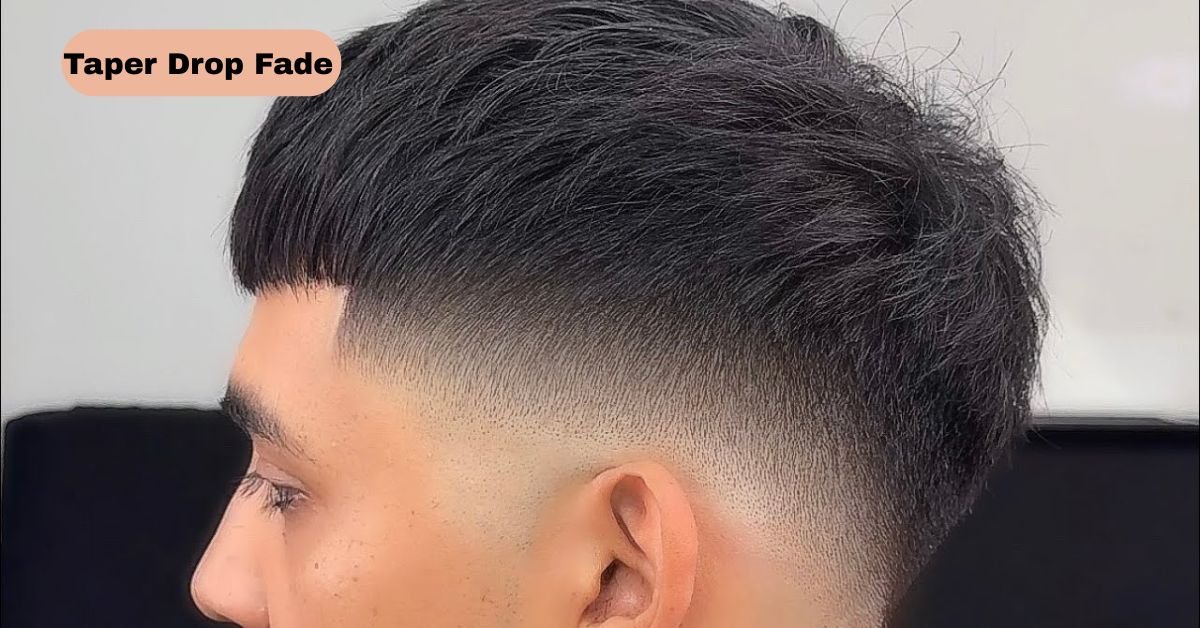
A taper drop fade is one of the most requested haircuts in barbershops today, and for good reason. It blends a gradual taper with a fade that curves or “drops” behind the ear, following the natural shape of your head instead of cutting in a straight line.
The result is a cut that looks sharper, sits closer to your skull, and frames your face more naturally than a standard fade. If you’ve seen a haircut that looks clean from every angle but can’t quite name it, there’s a good chance it’s a taper drop fade.
This guide breaks down exactly what makes this style different, walks through the best variations to try, and gives you the exact language to use in the barber’s chair so you get the cut you actually want not a guess.
What Is a Taper Drop Fade?
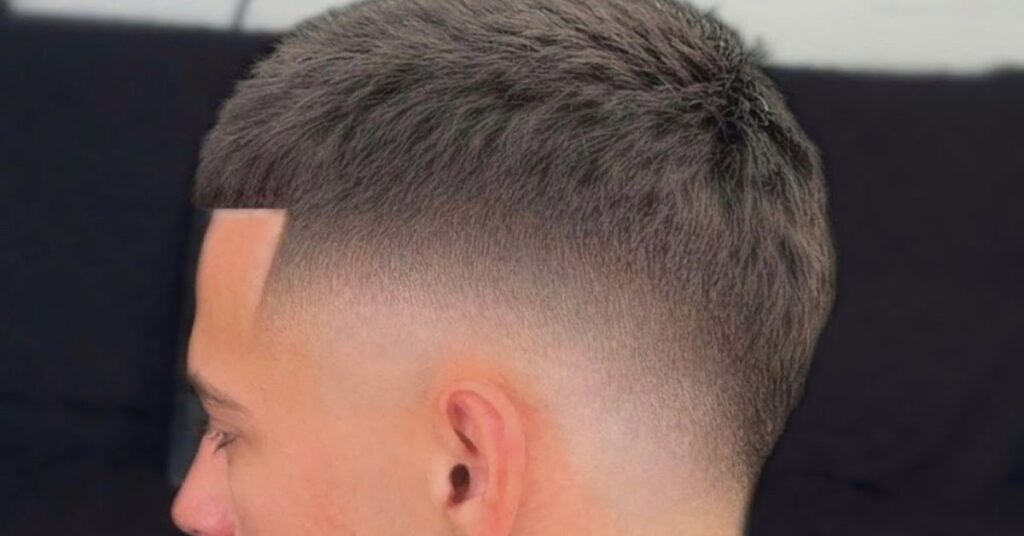
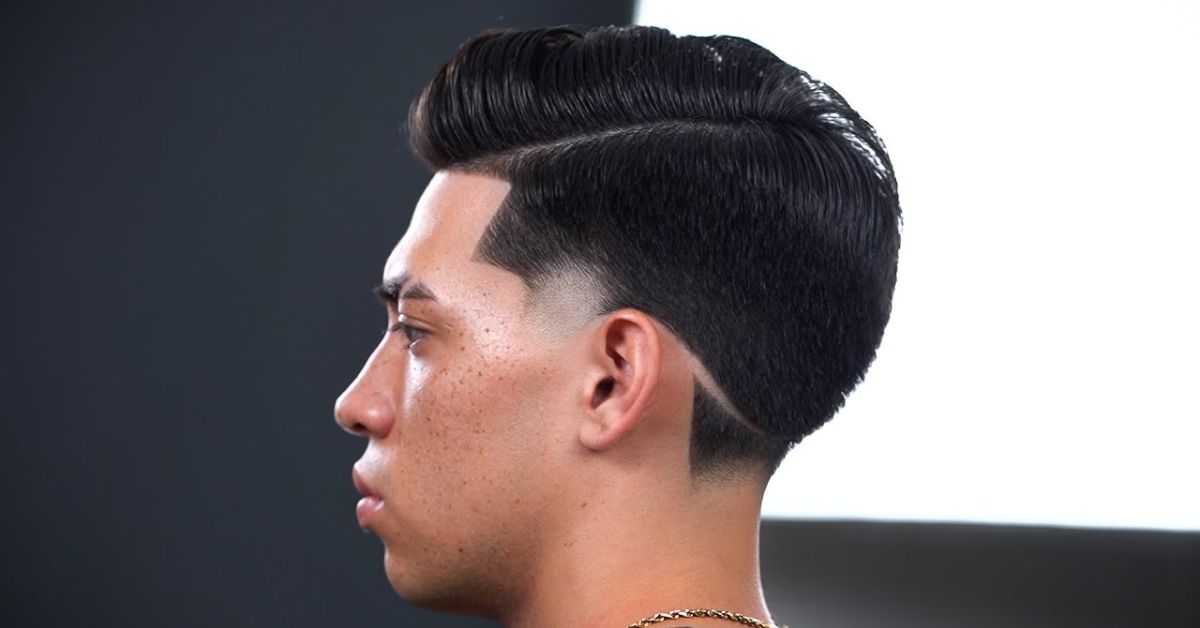
A taper drop fade combines two separate barbering techniques into one cohesive haircut. The taper handles the gradual shortening of hair from the top down to the skin or near-skin length at the hairline, while the drop fade adds a curve to that fade line as it moves around and behind the ear. Instead of the fade staying level all the way around your head, it dips lower behind the ear before rising again toward the neckline.
This combination matters because it solves a real styling problem. A regular taper can look flat or boxy at the back, especially on rounder head shapes. Adding the drop element gives the cut more dimension and makes the transition from hair to skin feel intentional rather than abrupt. Barbers often describe it as giving the haircut “movement” the line isn’t rigid, it flows with your head’s natural curve.
How a Taper and a Drop Fade Combine Into One Cut
Technically, the taper is applied first as the base clippers work through graduated guard lengths from the crown down. The drop fade is then shaped into that taper along the sides, usually starting around the temple and curving down past the ear before blending into the neckline. This is why a drop taper fade requires more precision than either technique alone. Get the curve wrong, and the whole cut looks uneven. Get it right, and you have one of the cleanest, most versatile haircuts available for short-to-medium hair.
[Internal Link: article about fade haircut types explained]
Taper Fade vs. Drop Fade vs. Taper Drop Fade: What’s Actually Different
People often use “taper,” “fade,” and “drop fade” interchangeably, but they aren’t the same thing, and knowing the difference will help you communicate better with your barber.
What a Taper Fade Does
A taper fade keeps length gradually decreasing from the top of the head down the sides and back, usually ending in a slightly longer finish than a full fade. It’s subtle, low-contrast, and works well for people who want a professional, understated look. The fade line here stays relatively straight and consistent around the head.
What a Drop Fade Does
A drop fade, on its own, refers specifically to the curved fade line that dips behind the ear. It doesn’t necessarily include a taper on top you could pair a drop fade with a buzz cut, a pompadour, or even longer, textured hair. The defining feature is that curve, not the length of hair above it.
Why Barbers Combine Them Into a Single Taper Drop Fade
When you ask for a taper drop fade haircut, you’re asking for both elements together: the gradual taper for a soft, blended top-to-side transition, plus the curved drop line for extra shape around the ear. This combination is popular because it works on almost every hair type and face shape, and it photographs well from every angle something a straight-line fade can’t always claim. A modern taper drop fade has become the default request in many barbershops precisely because it’s adaptable; barbers can dial the contrast up or down depending on how bold you want the look.
Skin Taper Fade vs. Regular Taper Drop Fade
One of the biggest decisions you’ll make is how close to the skin you want the fade to go. This is where terminology gets confusing, so let’s clear it up.
A skin taper fade sometimes called a skin fade taper takes the hair all the way down to bare skin at the lowest point of the fade, usually around the ears and neckline. It creates the highest possible contrast between the longer hair on top and the shortest section at the bottom. A bald taper fade is essentially the same idea; some barbers use “bald” and “skin” interchangeably to describe this zero-length finish.
A standard taper drop fade doesn’t necessarily go to skin. Instead, it might finish at a very short guard length, like a #1 or #0.5, which still creates a clean blend but with slightly less stark contrast. This version tends to grow out more gracefully and needs marginally less frequent maintenance than a full skin fade.
Bald Taper Fade (Skin-Level Blend) Who It Suits
A skin taper drop fade works especially well if you have thick or coarse hair, since the strong contrast at the bottom makes the taper on top look even more defined. It’s also a strong choice if you want a sharp, high-impact look for work, events, or simply prefer a bolder aesthetic. The trade-off is upkeep skin fades show growth faster and typically need a touch-up every 10 to 14 days to stay crisp.
Standard Taper Drop Fade (Soft Blend) Who It Suits
If you have finer hair or prefer a softer, more low-key finish, a non-skin tapered drop fade is usually the better call. It still delivers that curved, shaped fade line but without the harsh contrast, which means it also grows out more forgivingly between appointments. This version is common in professional or corporate settings where a clean taper drop fade is expected but a fully shaved-down fade might read as too dramatic.
8 Taper Drop Fade Styles to Try
A taper drop fade isn’t a single look it’s a technique that adapts to whatever you’re doing on top. Here are eight of the most popular variations barbers are cutting right now.
1. Low Taper Fade Design
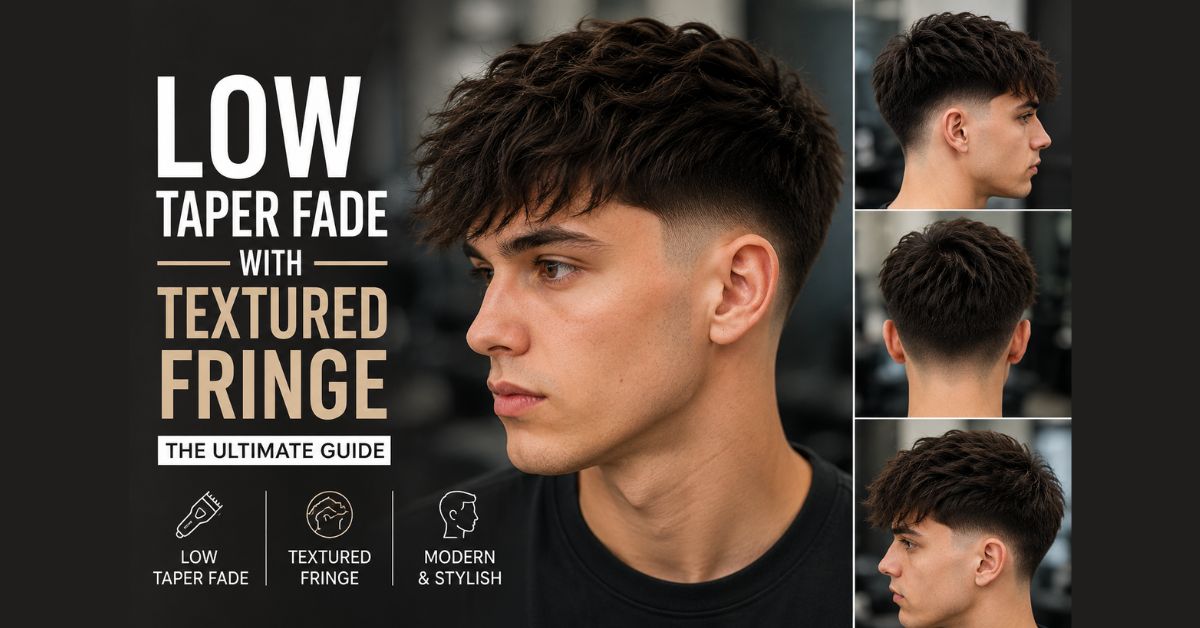
A low taper drop fade keeps the fade starting point close to the ears rather than higher up the head, giving a subtler, more conservative finish. It’s a strong option if you want a sharp taper drop fade without drawing too much attention to the sides. This is often the easiest version to maintain and one of the most requested for professional environments.
2. High Taper Drop Fade
The opposite approach, a high taper drop fade starts the fade much closer to the crown, creating more contrast and a bolder silhouette. This version pairs well with longer hair on top since it gives the length something dramatic to fade into. It’s a favorite for anyone who wants a trendy taper drop fade with real visual impact.
3. Taper Fade With Design
For those who want to personalize the cut further, a taper fade with design adds shaved line work, geometric patterns, or a simple part line into the fade itself. Barbers typically cut this after the fade is complete, using a fine trimmer to carve the design into the shortest section. It’s a great way to make a stylish taper drop fade feel more individual.
4. Taper Mohawk Fade
A taper mohawk fade also called a taper fade mohawk keeps a strip of longer hair running from the front to the back of the head, while both sides fade down using the drop technique. This is a bolder, more statement-driven style, but the drop fade element keeps it grounded and wearable rather than overly extreme.
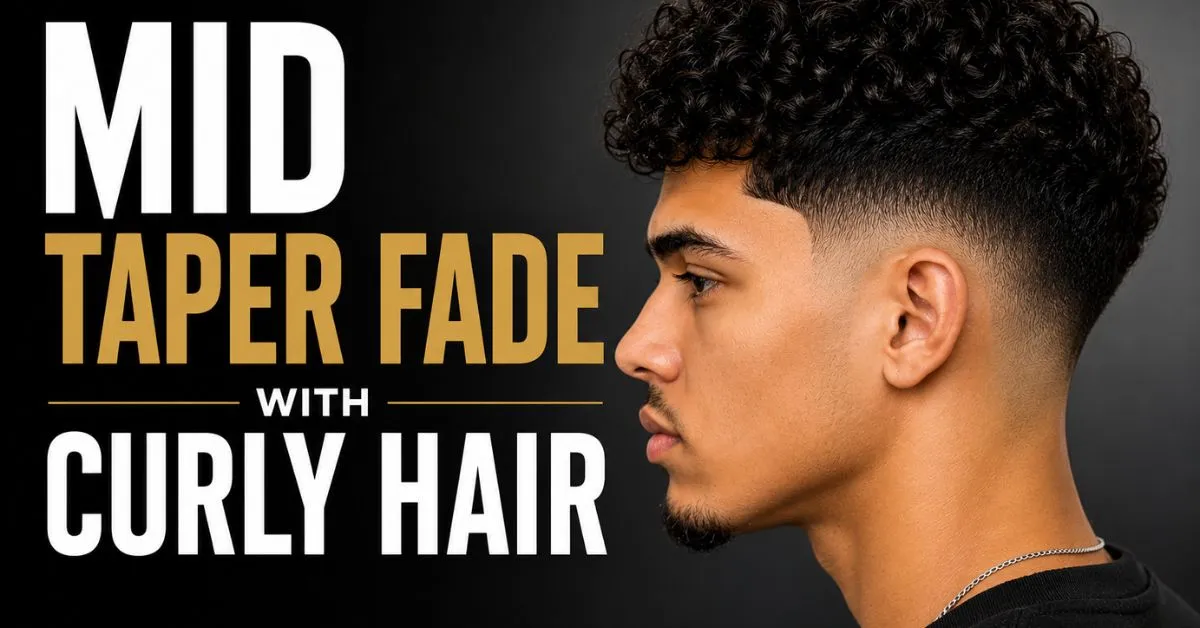
5. Curly Top Taper Drop Fade
If you have natural curls, a taper drop fade curly hair style lets the curls sit freely on top while the sides and back stay tightly faded and controlled. This contrast controlled sides, expressive top is one of the most flattering combinations for curly and coily textures, since it reduces bulk without flattening your natural texture.
6. Taper Drop Fade With Beard
Pairing the cut with a well-groomed beard creates a fuller, more balanced look, especially for round or square face shapes. A taper drop fade with beard styling works because the fade draws the eye upward and inward, while the beard adds structure along the jawline. Ask your barber to blend the beard fade into the same line as the haircut for a seamless finish.
7. Taper Drop Fade for Straight Hair
On straight hair, the taper drop fade tends to look extremely crisp and precise, since there’s no natural volume to soften the lines. A taper drop fade straight hair cut works well with a hard part or slick-back styling on top, both of which highlight the sharpness of the fade underneath.
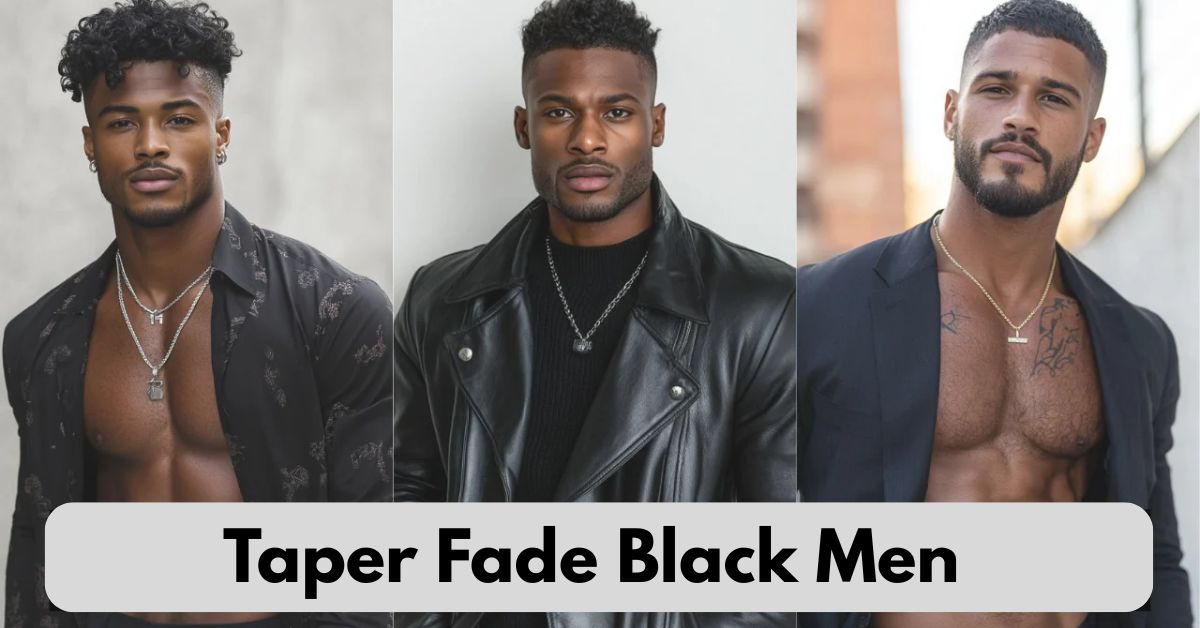
8. Taper Drop Fade for Afro-Textured Hair
For afro-textured hair, the taper drop fade afro combination reduces overall volume at the sides while preserving height and shape on top. This is one of the most popular requests among Black men specifically because it keeps the top full and expressive while still delivering a clean, professional finish at the sides.
How to Choose the Right Taper Drop Fade for Your Face Shape and Hair Type
Not every version of this haircut suits every face or every hair texture, and a good barber will adjust the technique based on both.
Best Taper Drop Fade Options by Face Shape
If you have a round face, a high taper drop fade adds vertical length and reduces width visually. Square faces tend to look great with almost any version, since the strong jawline balances the sharp fade lines well. Oval faces have the most flexibility and can pull off both low and high variations. If your face is longer, a low taper drop fade with more volume on top helps balance proportions rather than elongating the face further.
Best Taper Drop Fade Options by Hair Texture
Thick, coarse hair holds shape well and suits bolder, high-contrast fades, including skin-level finishes. Fine or thin hair often looks better with a softer taper that finishes just above skin level, since too much contrast can highlight scalp visibility. Wavy and curly hair benefit from slightly longer length retention on top, giving the natural texture room to move rather than being cut too short and losing its shape entirely.
| Hair Type | Recommended Fade Level | Notes |
| Thick/Coarse | Skin or bald taper drop fade | Holds sharp contrast well |
| Fine/Thin | Soft taper (non-skin) | Reduces scalp visibility |
| Curly/Coily | Mid to low taper | Preserves volume and texture |
| Straight | Low to high, barber’s choice | Shows clean lines clearly |
How to Ask Your Barber for a Taper Drop Fade (Terminology That Actually Works)
Walking into a barbershop without the right words can lead to a haircut that isn’t quite what you pictured. Being specific saves time and avoids miscommunication.
Clipper Grade Numbers to Mention
Guard numbers tell your barber exactly how much length to leave. A #3 or #4 on top with a fade down to a #1 or skin is a common taper drop fade haircut request. If you’re aiming for a bald taper drop fade, say “fade to skin” explicitly “short” alone isn’t specific enough and can be interpreted differently by different barbers.
Reference Photos That Get You the Right Result
Bring at least one photo showing the fade from the side and, ideally, one from the back. This matters more for a drop fade than a standard fade, because the curve behind the ear is hard to describe verbally but easy to show visually. A photo also helps confirm whether you want a low taper drop fade, mid taper drop fade, or high taper drop fade starting point.
Skin Fade Taper vs. Soft Blend Words to Use in the Chair
If you want maximum contrast, say “skin fade taper” or “fade to bald.” If you prefer something more subtle, say “soft taper, no skin showing.” These two phrases alone eliminate most of the confusion barbers deal with when clients simply ask for “a fade.”
Maintenance and Aftercare for a Taper Drop Fade
Keeping a taper drop fade looking fresh takes more consistency than most other haircuts, mainly because the fade line grows out faster than the length on top.
Touch-Up Frequency (Every 2–3 Weeks)
For a skin taper drop fade, plan on a touch-up every two to three weeks. Non-skin versions can usually stretch slightly longer, closer to three to four weeks, before the fade starts looking blurred. Regular touch-ups are what separate a genuinely sharp taper drop fade from one that looks tired halfway through the growth cycle.
Styling Products for Definition
A lightweight pomade or matte clay works well for most taper drop fade variations, giving texture and hold without weighing hair down. For curly or afro-textured versions, a curl-defining cream helps maintain shape on top while the sides stay controlled. Avoid heavy waxes on shorter styles they tend to make the top look flat rather than textured.
Keeping the Drop Line and Taper Sharp Between Cuts
Between barbershop visits, a beard and edge trimmer can help clean up the neckline and any stray hairs along the drop curve. Be cautious trying to maintain the actual fade blend yourself, though the graduated blending is the hardest part to replicate at home, and an uneven attempt often means an earlier trip back to the barber than planned.
FAQs
What is a taper drop fade?
A taper drop fade is a haircut that combines a gradual taper on the sides and back with a fade line that curves, or “drops,” behind the ear. This creates a rounder, more natural-looking transition compared to a straight-line fade.
Is a drop fade the same as a taper?
No. A taper keeps the fade line straight and consistent, while a drop fade curves downward behind the ear. A taper drop fade combines both into one style.
Is a taper fade haram?
There’s no religious prohibition on a taper fade itself, though views vary by individual scholar and school of thought. It’s best to check with a trusted religious source if this matters to your personal practice.
Is drop fade attractive?
Yes, it’s widely considered one of the more flattering fade styles since the curved line follows the head’s natural shape. It tends to suit a wide range of face shapes and hair textures.
What is a mid-taper fade?
A mid taper fade starts the fading point around the middle of the head, between the temple and the crown. It offers a balance between subtle and bold, more contrast than a low taper but less than a high one.
Final Thoughts
A taper drop fade earns its popularity because it does something most haircuts can’t it adapts to nearly any hair type, face shape, and personal style while still looking deliberate and clean. Whether you go with a bald taper drop fade for maximum contrast or a soft taper drop fade for a subtler, low-maintenance option, the key is communicating clearly with your barber and keeping up with regular touch-ups.
Bring a reference photo, use specific terms like “skin fade taper” or “low drop fade,” and you’ll walk out with a cut that actually matches what you asked for. If you’re ready to try it, book your next appointment and start with one of the eight styles above as your reference point.